Bathroom remodels in Seattle are not always straightforward. It’s not unusual for contractors to encounter unexpected problems along the way, and they often issue bathroom remodel change orders to address them. These mini-contracts introduce solutions that can significantly change the project’s timeline, cost, and scope.
Change orders are rarely simple adjustments. Left unchecked, they can go haywire, leading to increasingly costly scope creep instead of solutions. Let’s talk about change orders, what triggers them, and what you can do to prevent or manage scope creep.
What Triggers Bathroom Remodel Change Orders?
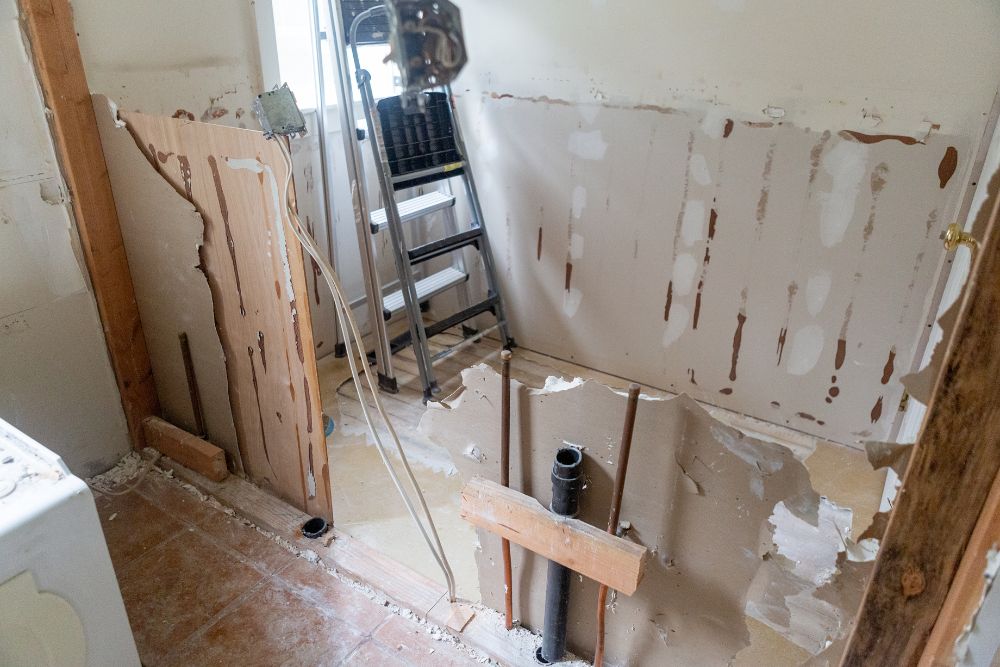
Understanding change orders will help you anticipate snags that can delay your bathroom remodel and bloat your budget. Let’s start with the common factors that trigger change orders that may result in scope creep.
1. Hidden Water Damage
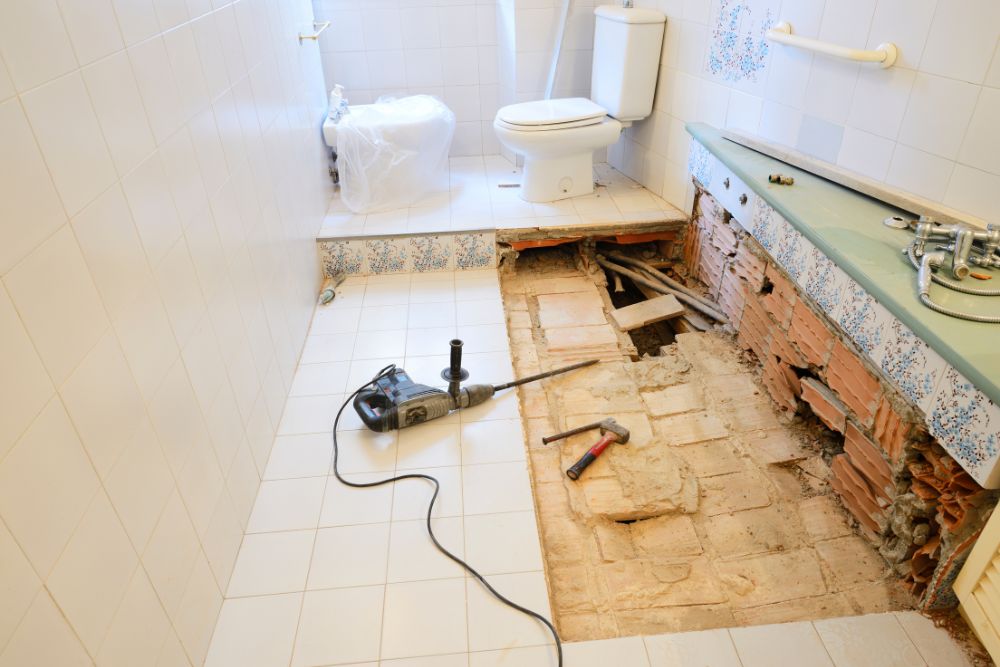
Pacific Northwest humidity is the greatest scourge plaguing Seattle bathrooms. It doesn’t help that most old homes are not well equipped to handle excessive moisture. Moisture tends to accumulate in cracks and recesses, leading to mold growth and water damage that goes unnoticed until it’s too late to fix. When contractors tear down the dry walls, they usually find rotten parts of the frame that need replacing before work can resume.
2. Outdated Building Codes
Seattle’s residential real estate market is mainly composed of homes built over half a century ago. In short, they may not comply with local residential building codes. Unvented pipes are common in these houses, as are old knob-and-tube wiring. Once contractors discover these issues, they are legally required to bring them up to code, triggering unplanned upgrades done through change orders.
3. Layout Changes
Changing the bathroom layout costs a lot of money, especially since it is a major catalyst for scope creep. It’s not as simple as moving the toilet to a different corner—it means tearing the floor and rerouting the waste stack, vent lines, and supply plumbing. If the updated lines somehow get blocked by structural beams, a major structural change is in order.
4. Client-Driven Changes
It’s not uncommon for homeowners to change their minds mid-way through the project. This is perhaps the most direct contributor to bathroom remodel scope creep. Pivots such as changing tiles that have already been set, upgrading fixtures to more high-end models, or redoing the paint job can upend the budget and project timeline.
5. Missing Details In the Initial Plans
Your plan may contain vague portions or unspecified allowances for materials and fixtures outside your original selection. While this may sound like flexible planning, information gaps can easily lead to assumptions during the bidding phase. As contractors fill in the blanks during implementation, they may issue change orders to bridge the gap between baseline assumptions and homeowners’ expectations.
Managing Scope Creep Amidst Change Orders
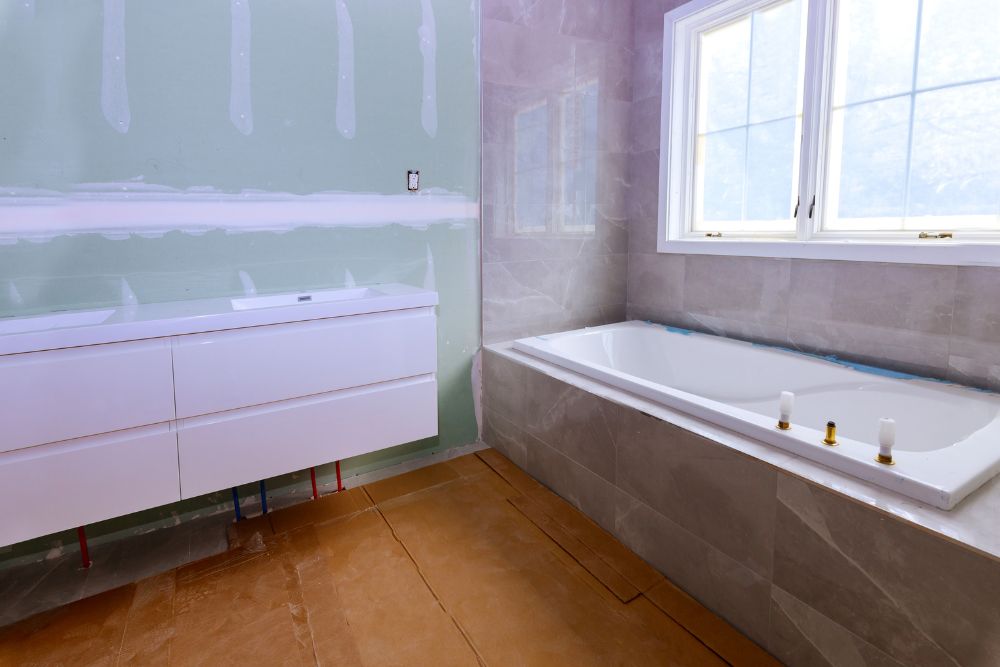
With Seattle’s aging housing stock, there’s no avoiding bathroom remodel change orders. When change orders are issued, how you handle them determines whether the remodel stays on track or spirals beyond your control.
Managing scope creep requires level thinking, thorough documentation, and quick wits. Here are some best practices that let you effectively handle change orders and stop scope creep on its tracks.
- Have a well-documented change order process. Do not agree to any change orders discussed in a verbal conversation or text message. Keep everything professional by requiring the change order to be put in writing. It should detail the required work, the exact additional costs, and by how many days the project timeline will be extended.
- Lock in on your design. Before construction begins, finalize all of your product and design selections. Understand that any change impacts the rest of the project, so learn to distinguish between what you want and what you need and keep any change as close to the original plan as possible.
- Use your contingency budget. You should maintain a contingency budget equal to 15% to 20% of your projected bathroom remodel expenses. Treat this as an emergency fund you can tap whenever a change order requires a major structural overhaul or code-compliance work. Doing so lets you make quick decisions without the stress of financial strain.
- Establish communication boundaries. Set clear rules for all discussions involving changes to your bathroom remodel. Maintain a specific channel for such conversations and stick to it. An established communications protocol should ensure that:
- You learn of any change order triggers early on.
- You don’t rush with your decisions.
- No unauthorized work takes place.
- Weigh the costs against the benefits. Whenever you’re tempted to make mid-project changes, ask yourself whether the benefits are worth the cost and delay. Change orders can certainly provide you with an opportunity to introduce new ideas. However, it pays to maintain the discipline of sticking with your plan and adding changes that are absolutely necessary.
Bathroom Remodel Change Orders Don’t Have to Be a Problem
In Seattle, bathroom remodel change orders may be inevitable. However, they don’t have to upend your budget or delay your project indefinitely. An airtight contract, a firm design plan, and a financial safety net should help you weather the impact of change orders and nip scope creep from the bud. A good management strategy should keep you on track and achieve your envisioned remodel.
BB-Builders Pro understands that change orders don’t have to mean throwing a wrench at your original plan. As experienced bathroom remodeling professionals, we treat last-minute changes with care and precision. Our goal is to minimize the impact of change orders on the project timeline and budget. Talk to us today and learn more.
FAQs
Who is responsible for change orders?
The responsibility for initiating change orders depends on the situation. It usually falls to the contractor to address issues with the existing structure during the remodel. Meanwhile, the homeowner is responsible for change orders resulting from arbitrary mid-project design modifications. As the contractor merely implements the original plan and maintains code compliance, they have no say over such changes.
Can a contractor request a change order?
Yes, contractors can request a change order. In fact, this is common in bathroom remodels in old Seattle homes, where the contractors are the first ones to encounter issues and code violations during inspections and demolition.
What are examples of scope creep?
Scope creep happens when changes to the project extend the work beyond the original deliverables. One example is when a small leak behind a shower wall reveals extensive water damage requiring large-scale repairs. Another example is when the homeowner suddenly changes their mind about their fixture choice, putting the complicated installation back to square one.