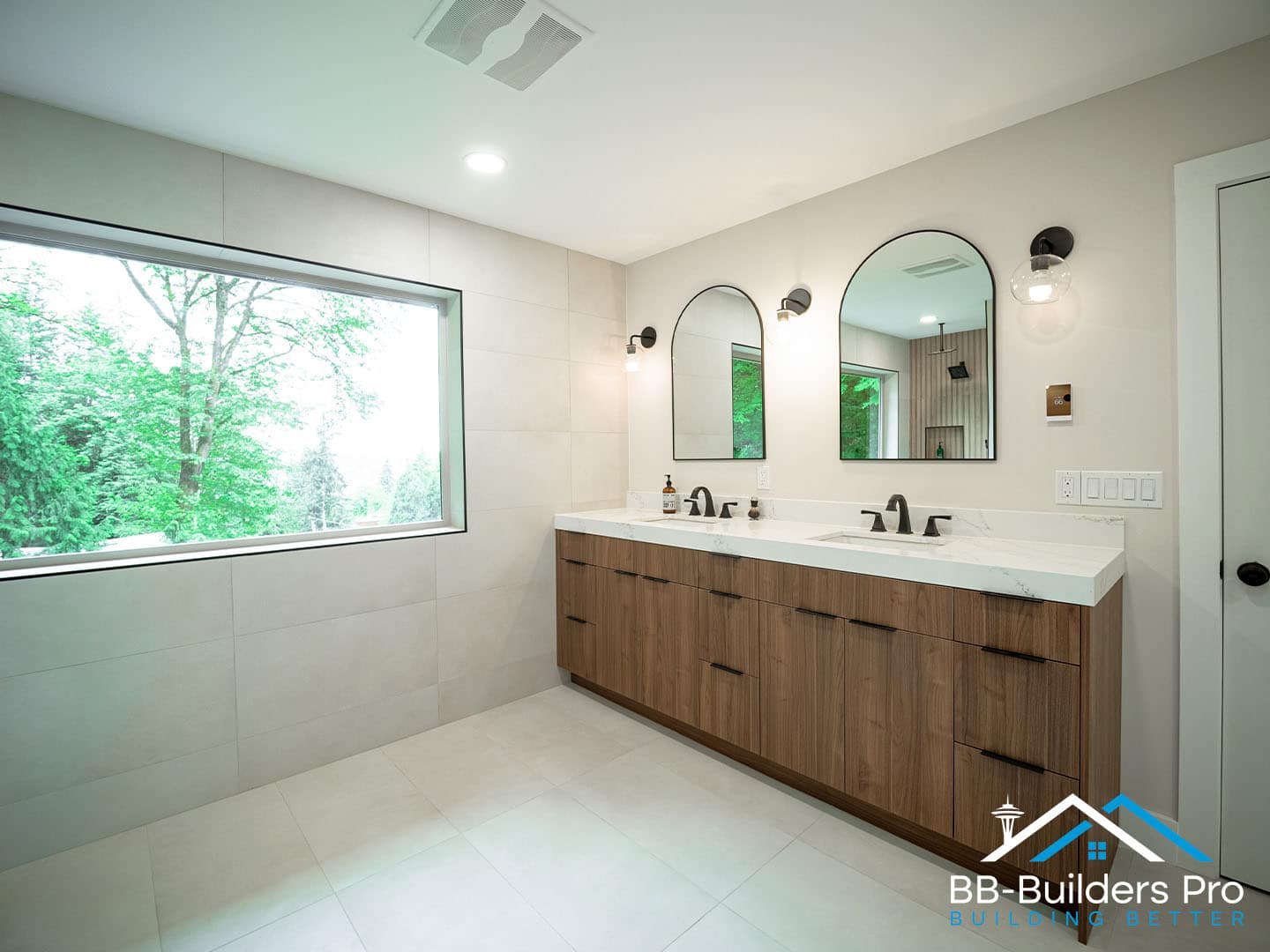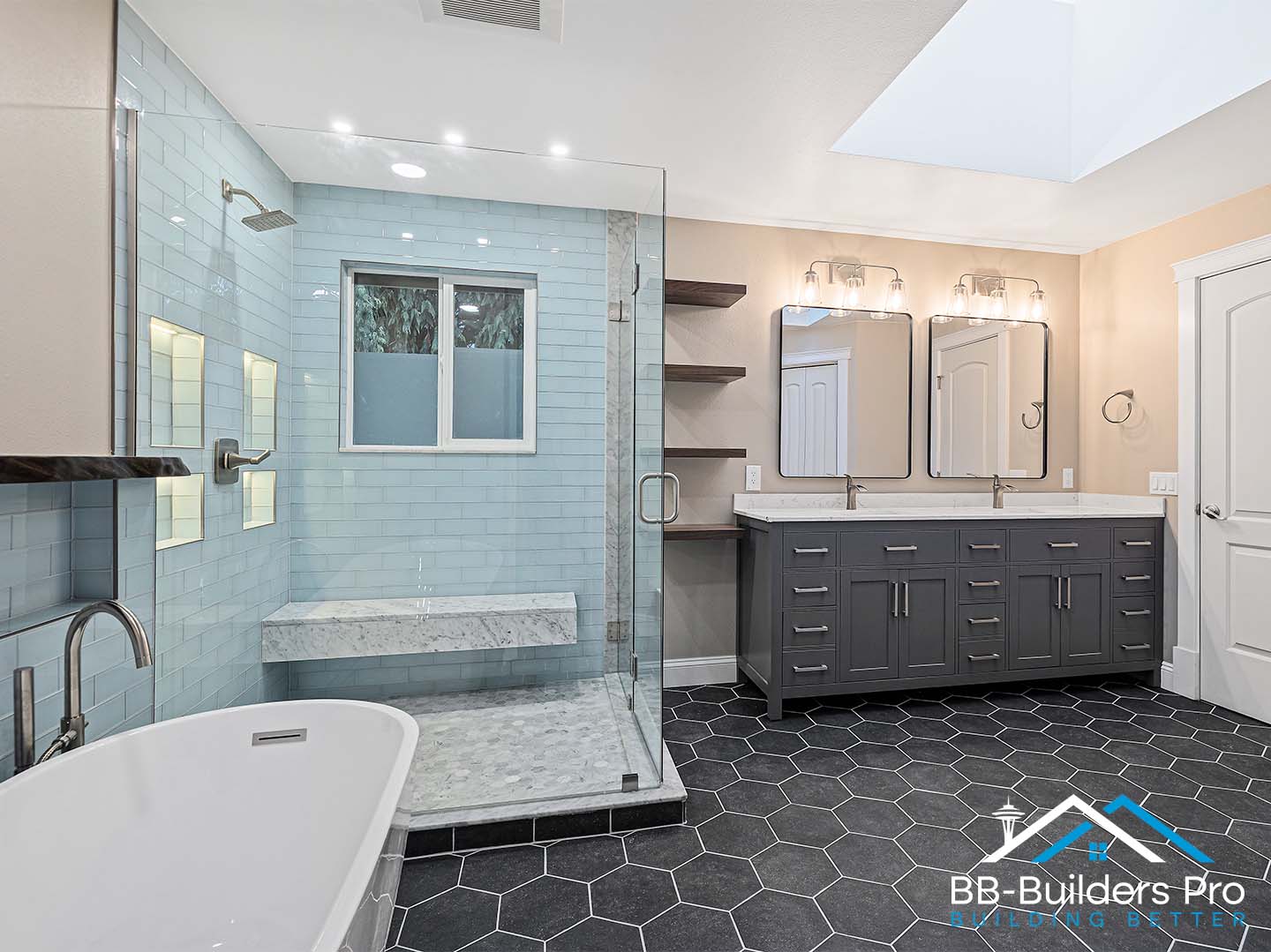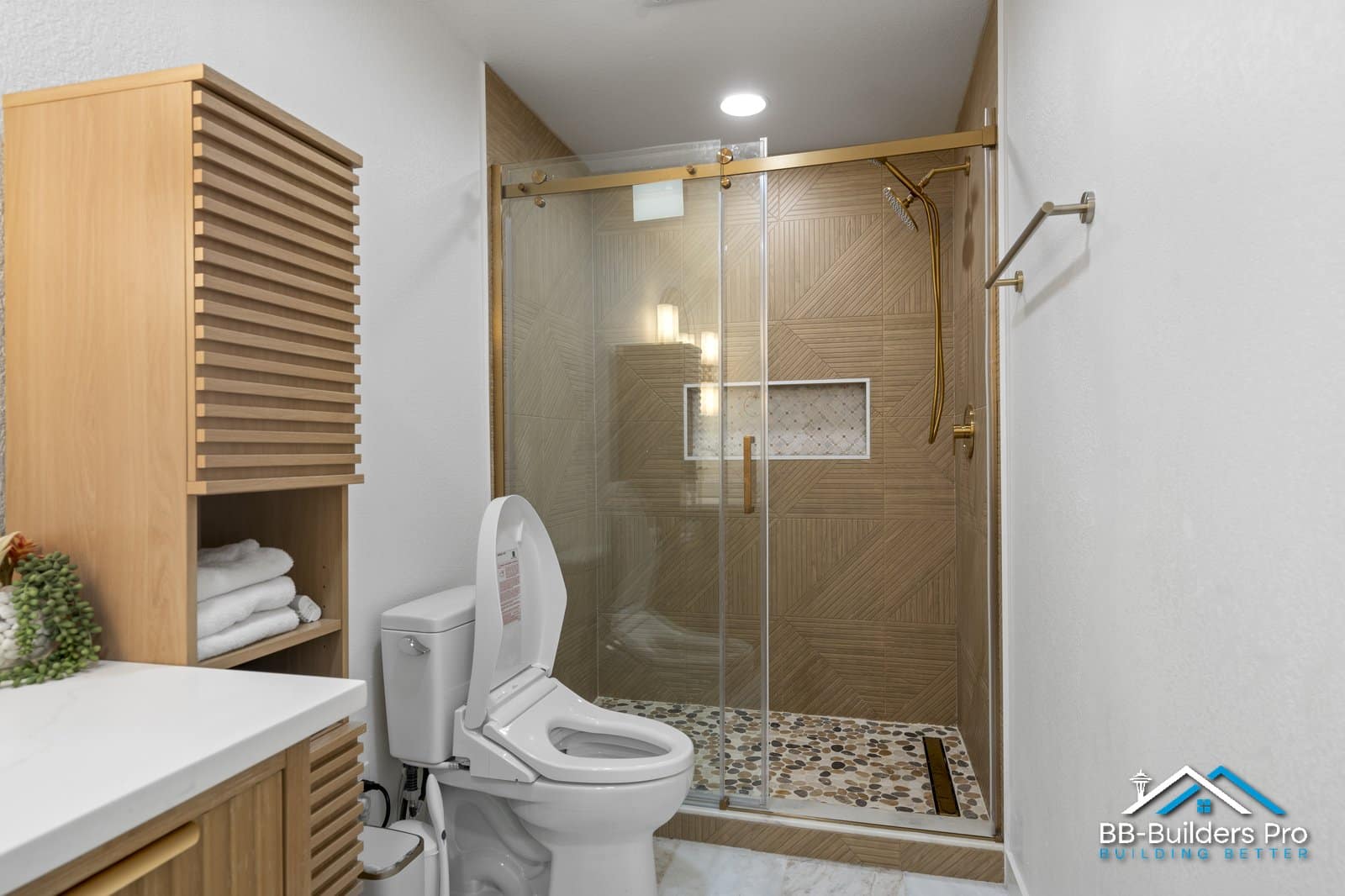
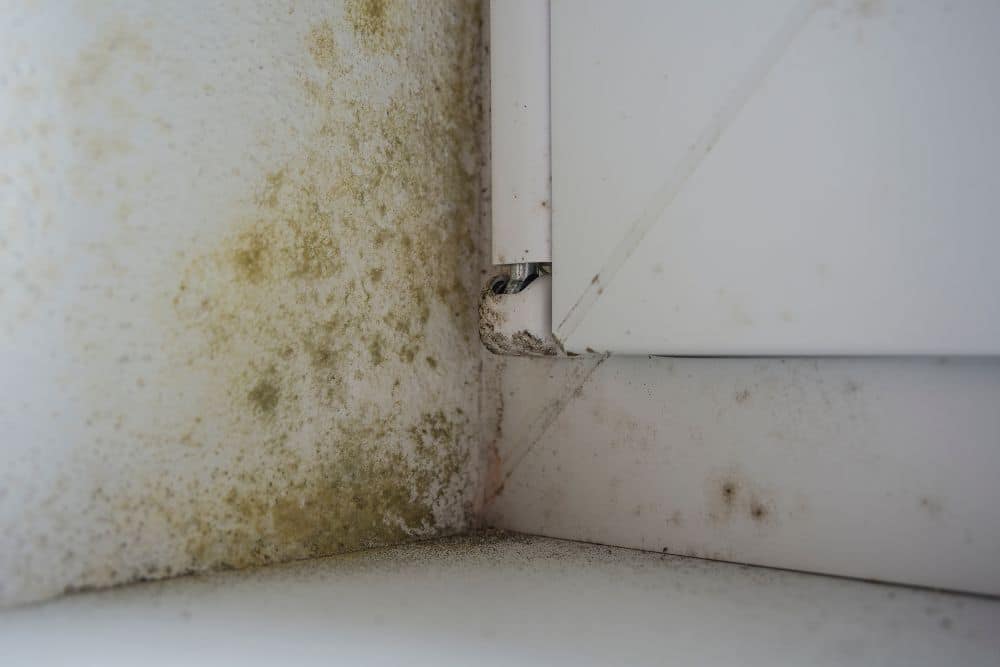
In Seattle, the key to mitigating bathroom mold growth is denying it a chance to thrive. It’s all about controlling the environment, and keeping the space as dry as possible is crucial. From using the correct materials to adding multiple layers of protection, let’s talk about how to prevent mold in Seattle bathroom remodels.
Key Steps to Prevent Mold In Seattle Bathroom Remodels
Bathroom mold growth in Seattle is no mere nuisance that’s just one scrub away. The damp Pacific Northwest climate can exacerbate mold infestation. When left unchecked, a humid, closed bathroom space becomes an ideal environment for mold to thrive. A renovation may be necessary to keep your bathroom mold-free, and here’s a quick checklist that you should follow:
1. Choose the Right Materials

As with any other bathroom remodel, a renovation focused on mold prevention starts with the choice of material. The key here is minimizing points where molds can grow and using materials that cannot potentially harbor mold growth. Here are some recommendations that should serve as good reference points:
Wall and Structure
The bathroom wall’s substrates should be waterproof, water-tight, and mold-resistant. This calls for inorganic, anti-microbial materials such as the following:
- Fiberglass-faced drywall. This drywall material consists of a fiberglass mat encasing a gypsum core. It has superior resistance to mold and moisture compared with cheaper paper-faced panels and lasts much longer.
- Cement backerboard. This highly durable backerboard is completely moisture-resistant. For heavier applications, such as in shower areas, cement backerboards are often protected with a waterproofing membrane.
- Closed-cell spray foam insulation. This creates an airtight vapor barrier that prevents condensation from forming inside wall cavities.
Flooring
Waterproofing is a prerequisite to mold prevention, and it’s an absolute must for bathroom floors. The materials needed here, then, should be non-porous and provide no friendly environment for mold growth. Ceramic tiles fit the bill; their inorganic, alkaline composition starves mold and keeps it from growing.
Porcelain, especially, is the best type of ceramic tile for bathroom floors. It is non-porous and has a low water absorption rate of less than 0.5%, making it virtually water-resistant. Its impermeable surface keeps water from seeping to the sublayer, denying molds an alternative environment.
Finishes
Now, floor tiles can’t completely protect the floor sublayer. Tiles require gaps between each other to allow for thermal expansion, and these gaps need to be filled with grout to maintain complete water resistance. Epoxy grout is your best option in this case, although it is more expensive than regular grout. For seams and joints that shift significantly with temperature changes or daily use, silicone caulk is ideal.
2. Install the Appropriate Ventilation
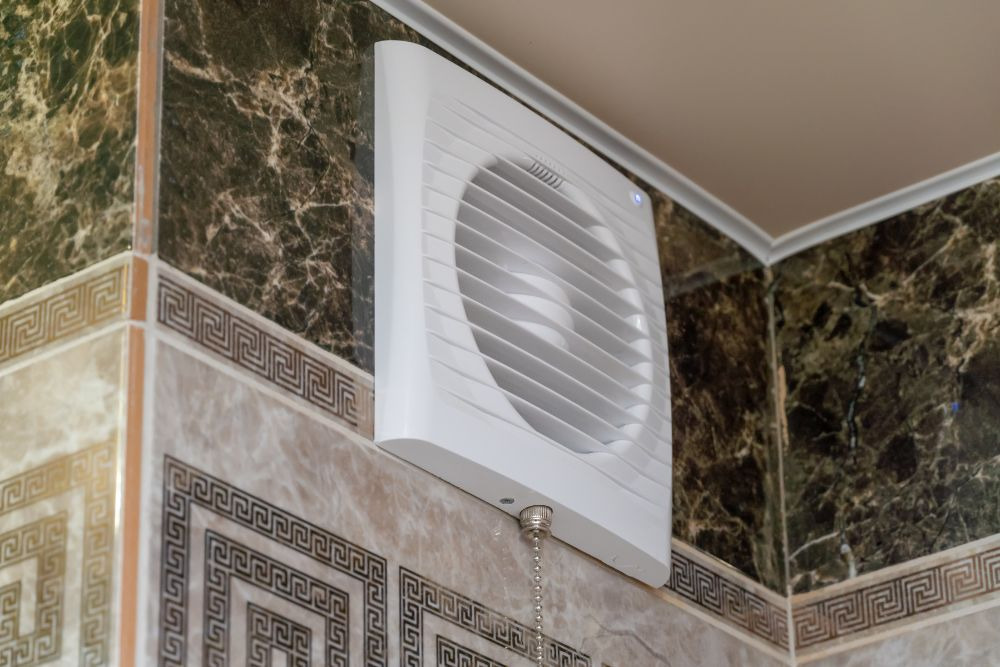
Waterproofing your bathroom is half the battle. Completely removing moisture from the area requires proper ventilation. The Seattle Residential Code requires fans to remove air at a rate of 50 cubic feet per minute (CFM) at intermittent operation or 20 CFM at continuous operation. The system should vent air outdoors, not above the ceiling or into any other crawlspace. Venting into cavities will cause condensation from humid air to accumulate undetected, providing an ideal environment for mold.
3. Provide Adequate Waterproofing
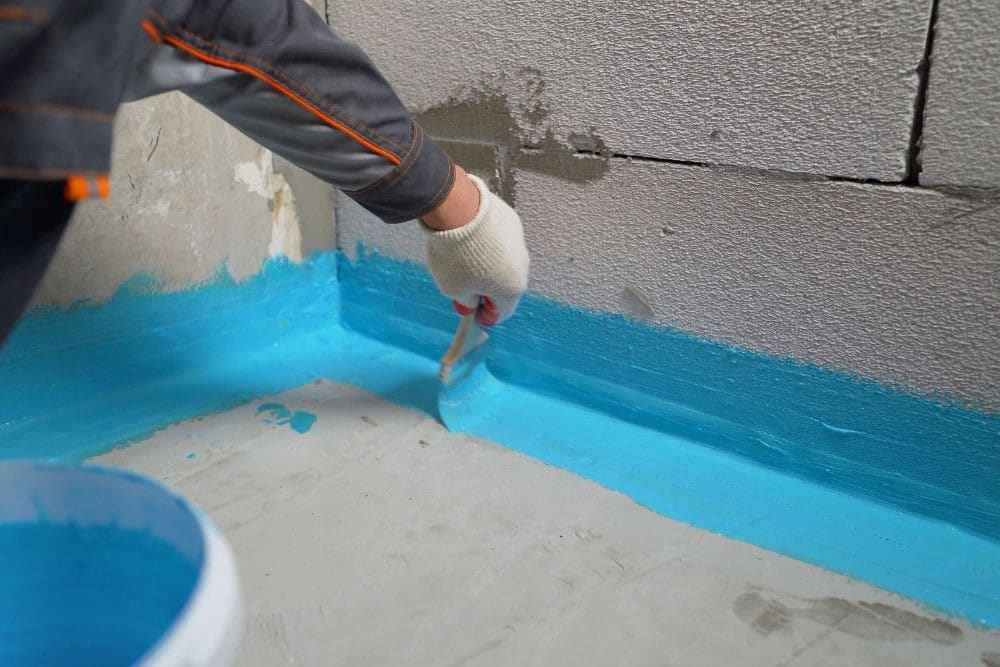
Waterproofing is essential to mold prevention, and it does not stop with the tilework. You will need to apply a flexible layer of waterproofing membrane over the sublayer before laying the tiles. For wet baths, you will also need to waterproof the ceiling. This may mean using special waterproofing paint or installing a waterproof layer such as PVC ceiling panels.
4. Caulk the Expansion Joints
Expansion joints, or the corners and joints where the floor, walls, and ceiling meet can shift considerably as the temperature changes. These are critical areas where moisture can quickly accumulate. The corners behind the door and next to the vanity can even be dead zones where mold can grow unnoticed.
Grout will not sufficiently waterproof expansion joints. They can crack as the planes move and leave gaps that water can penetrate. Silicone caulk is the better choice here, as it can effectively cover the seams and provide impenetrable waterproofing. Plus, it is more flexible than epoxy grout, making it suitable for expansion joints.
5. Invest in Humidity Control Technologies
Humidity sensors and control devices add another layer of mold protection to your bathroom. Here are some gizmos we’d recommend, for starters:
- Hygrograph. This device monitors humidity levels. Some models may even send alerts when the moisture exceeds the ideal range.
- Hygrostat. This automatically turns on the ventilation when the humidity exceeds normal levels. It is best paired with a hygrograph.
- Smart exhaust fans. This is an all-in-one solution that provides both monitoring and automated ventilation. It has sensors that detect changes in the humidity and automatically turns the fan on to vent out excess moisture.
Best Mold Prevention Practices During Bathroom Use
Remodels that prevent mold in Seattle bathroom spaces can only go so far without proper care. Here are some best practices to keep your space mold-free:
- Observe the 30-Minute Rule. Keep the ventilation on for 30 minutes after using the shower. This should be enough to clear the moisture in the air, which takes longer in Seattle’s damp climate.
- Develop a squeegee habit. Keep a squeegee handy and use it to wipe the wall tiles and glass doors after showering. This habit removes about 90% of the water that could evaporate, add to the humidity, and feed the mold spores on the grout.
- Keep the door closed during venting. Doing so lets the fan create a localized low-pressure zone. This allows it to vent the moist air directly out of the house without spreading the humid air to the rest of the house.
Prevention Is Better (and Cheaper) Than Remediation
On average, mold remediation costs $1,988 in Seattle. This is cheaper than a remodel focused on mold prevention. However, frequent remediation can get more expensive down the road, as mold infestations can get worse over time.
Now, how else can you prevent mold in Seattle bathroom remodels other than partnering with the pros? BB-Builders Pro’s bathroom remodeling experts understand how to keep your bathroom mold-free. We combine our systemic approach with high-performance materials and installation techniques tailored for Seattle homes. Contact us and get a quote.
FAQs
Is mold a big problem in Seattle?
Yes, mold can easily grow unchecked in Seattle homes. This is mainly due to the humid Pacific Northwest climate, where the moisture can collect in dark corners, creating ideal conditions for mold growth. The fact that most homes in Seattle are built with standard wood-frame construction means they are especially vulnerable to rot from runaway mold growth.
How to prevent mold in a new bathroom?
Keeping your bathroom dry when not in use is the first step. Start by practicing the 30-minute Rule and habitually cleaning the shower walls and door with a squeegee after taking a bath.
At what humidity will mold not grow?
Mold may not grow at below 60% relative humidity (RH). Ideally, you should keep your bathroom humidity between 30% and 50%.