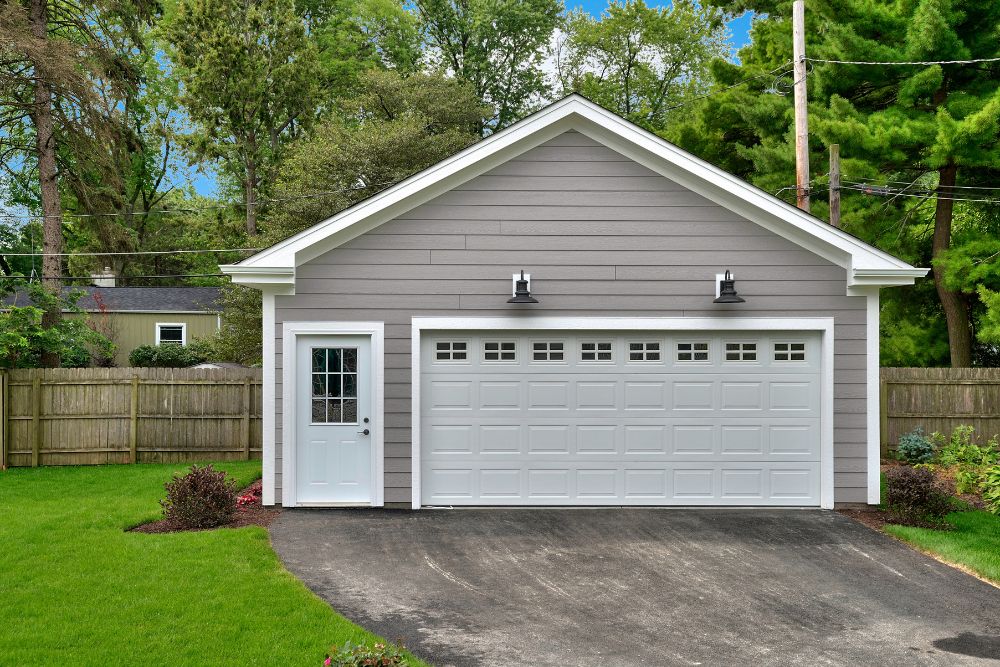
The cost of a detached accessory dwelling unit (DADU) in Seattle ranges from $250,000 to $450,000, or $350 to $550 per square foot. The complexity and size of the project determine the actual expense. To understand this further, let’s break down the average Seattle DADU cost, from blueprint to the decorative touch-ups.
2026 Seattle DADU Cost Breakdown
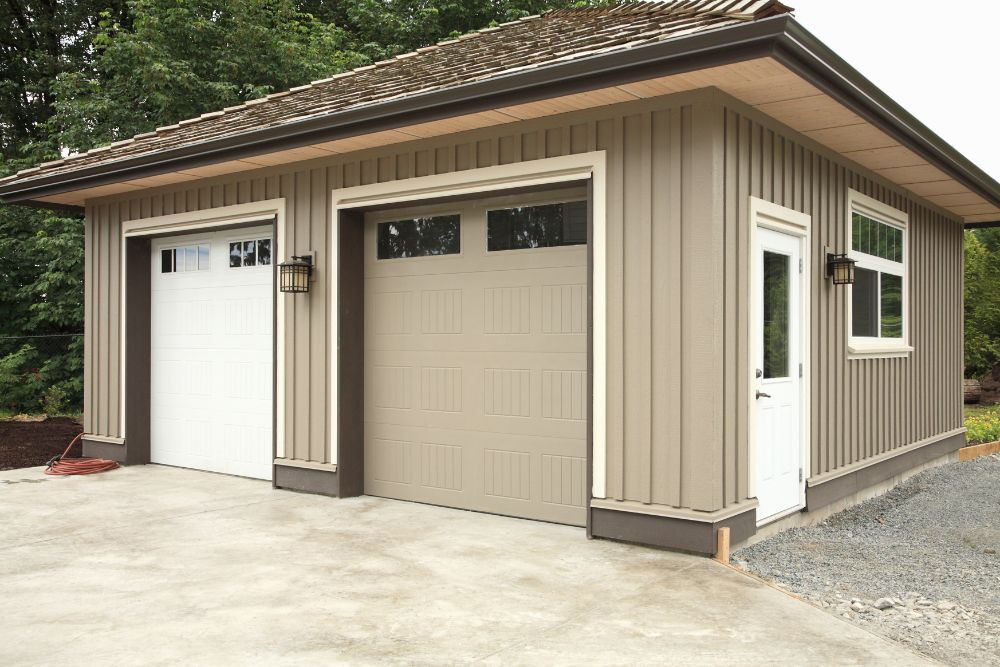
In Seattle, you don’t spend your $350,000 or so DADU construction budget all at once. The expenses come in with every stage of the project. You don’t only get to pay for the materials and labor; specialized work, permitting fees, and unforeseen expenses add up to the final price.
Architectural and Engineering Designs
| Item | Project Average | Typical Range |
| Architectural design | $17,500 | $6,000-$25,000 |
| Structural engineering | $5,000 | $4,000-$8,000 |
| Total | $22,500 | $10,000-$35,000 |
Going for bespoke designs means investing in the services of an architect and a licensed structural engineer. Here is a breakdown of the average upfront costs:
- Architectural design ($17,500). This covers the architect’s fees, which primarily include developing a feasible design aligned with your vision and requirements.
- Structural engineering ($5,000). This amount pays for the services of a structural engineer. They will assess the construction site and create structural plans to turn your architectural blueprints into reality.
The cost depends mainly on the complexity of the project. The more intricate the plan, the more work hours will be put into it and the more complicated the engineering will have to be.
Pro-tip: You can minimize the design costs by downloading a pre-approved plan from Seattle’s ADUniverse pre-approved DADU gallery. You may still need the services of an architect and a structural engineer to adapt the design to your plot.
Permitting Fees
| Permit Type | Project Average | Typical Range |
| SDCI permitting fees | $15,000 | $5,000-$25,000 |
Before you proceed with construction, you will need to obtain the necessary permits from the Seattle Department of Construction & Inspections (SDCI). The permitting fee is then based on the project’s estimated value and size, plus SDCI’s review rate, currently $292 per hour.
Low-end projects that use pre-approved designs and are built on a flat lot have cheaper permitting fees. Since the plan has already been vetted by SDCI, you’ll skip the expensive architectural plan reviews.
Complex projects or those constructed in environmentally critical areas (ECA), such as steep slopes or wildlife reserves, typically incur higher permitting costs. DADUs built on ECAs, in particular, require extensive reviews and additional engineering work that considers the nature of the site.
Site Preparation and Foundations
| Item | Project Average | Typical Range |
| Site preparation | $22,500 | $15,000-$40,000 |
| Foundation | $35,000 | $20,000-$40,000 |
| Total | $57,000 | $35,000-$80,000 |
DADU construction starts from the ground up. It begins with preparing the ground for the project—removing vegetation, compacting the soil, and clearing existing landscape features. This is followed by the laying of the concrete foundations that will hold the cottage’s structure in place.
Basic concrete work on flat, unobstructed ground falls on the lower end of the expense range. Meanwhile, projects built on steep slopes or uneven ground may require costly and extensive surveying and engineering work to ensure stable foundations.
Rough Construction and Framing
| Item | Project Average | Typical Range |
| Framing | $45,000 | $35,000-$55,000 |
| Roofing and weatherproofing | $10,500 | $6,000-$15,000 |
| Exterior walls | $14,000 | $10,000-$18,000 |
| Windows and exterior doors | $7,000 | $4,000-$10,000 |
| Total | $86,500 | $53,000-$100,000 |
DADU construction can be broken down into the following components, each with their corresponding costs:
- Framing. This serves as the skeleton of your cottage. It includes the sill plates anchored to the foundation, the 2×6 external wood framing, internal partition walls, floor joists, and ceiling rafters.
- Roofing and weatherproofing. This covers more than just the roof. It also includes protective components such as roof sheathing, underlayment, and flashing along the edges and in the valleys.
- Exterior walls. This includes external sheathing nailed on the wall studs. It is installed with extensive weatherproofing adapted to Seattle’s damp, rainy climate.
- Windows and exterior doors. These doors and windows have to comply with Seattle’s strict U-factor limits on heat loss. As such, they have to be of high-efficiency construction with multiple layers of insulation.
Utilities: Plumbing, Electrical, and HVAC
| Utility | Project Average | Typical Range |
| Plumbing | $20,000 | $15,000-$25,000 |
| Electrical systems | $18,500 | $15,000-$22,000 |
| HVAC | $11,500 | $10,000-$13,000 |
| Total | $50,000 | $40,000-$60,000 |
Utility costs cover the rough-in work and the installation of plumbing, electrical, and HVAC systems. This also includes connections to the city’s mains or the primary residence. As DADUs require separate utility infrastructure, significant excavation and coordination with utility providers are an absolute must.
Interior Finishes
| Utility | Project Average | Typical Range |
| Drywall and wall finishes | $20,000 | $15,000-$25,000 |
| Flooring and tilework | $11,000 | $12,000-$20,000 |
| Cabinetry and countertops | $27,500 | $20,000-$35,000 |
| Appliances, fixtures, and hardware | $16,500 | $13,000-$20,000 |
| Total | $85,000 | $60,000-$100,000 |
As a DADU is usually a standalone residence, it could pack a living area, full kitchen, bedroom, and bath in a small footprint. This demands a high concentration of expensive trade work and material per square foot. The budget is split between essentials such as insulation and sealing, and functional surfaces and fixtures.
The work during this phase can be broken down to the following:
- Dry wall and wall finishes. This seals and insulates the walls, preparing the surface for painting and finishing.
- Flooring and tilework. This involves the installation of the subfloor underlayment and primary flooring. Water-resistant tiles and flooring materials are a must in Seattle, where the damp Pacific Northwest climate can wreak havoc on unprotected structures.
- Cabinets and countertops. The DADU’s limited space creates a need for compact storage and usable surfaces. Builders tend to use ready-to-assemble cabinets to keep costs at the lower end of the range, although custom builds may be necessary for smaller cottages.
- Appliances, fixtures, and hardware. This is the final touch of utility to your DADU. Fridges, cooktops, lights, and door handles turn your cottage into a proper standalone home.
Cutting Down Seattle DADU Costs Without Cutting Corners
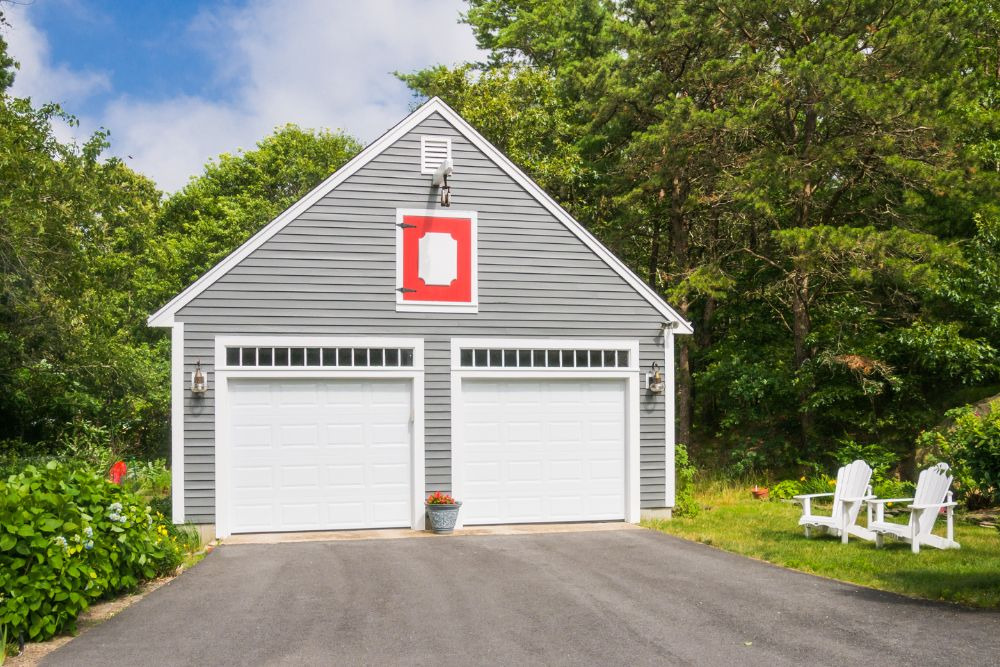
Keeping costs low during DADU construction can be quite a challenge by itself. Here are some tips to minimize your expenses without compromising on quality:
- Use pre-approved plans. Using a pre-approved DADU plan can save you plenty of money on permitting costs. This is on top of getting a proven design to work with.
- Choose a simple design. Whether you’re going for a pre-approved plan or a custom blueprint, it pays to keep things simple. Designs that are simpler to execute cost less than more complex ones.
- Stick to the plan. Stay on track with your approved design to keep the work within budget. Arbitrary additions can easily bloat your expenses.
- Use stock materials and furnishings. Using items readily available in stores instead of having them custom-built is a great way to cut down on your DADU construction costs.
- Go DIY. Doing the work yourself will save you money on hiring labor and professional trades. On the downside, you assume full legal and physical responsibility for complying with Seattle’s strict building codes. Any mistake could cost you time and resources to rectify.
In Conclusion
Even a low-end DADU can be costly, but the returns should make the investment worthwhile. It is a great way to add value to your property, extend your home’s square footage, or take a slice of Seattle’s booming rental market.
Regardless of your purpose, it pays to have your DADU built by ADU construction experts. BB-Builders Pro can help you navigate Seattle’s permitting landscape and the complexities of building a standalone residence. We can deliver your dream DADU without all the hassle. Call us today and get a free quote.
FAQs
Are DADUs worth it?
DADUs are definitely worth it. These dwelling units can serve various purposes, mainly as rental units, secondary homes, and in-law suites. More importantly, on average, a legally permitted and well-designed DADU can increase your property value by about 30%.
Can you sell a DADU in Seattle?
Yes, you can sell a DADU in Seattle in two ways. The first is through condominiumization, which involves splitting your property into a two-unit condo association. The second is by legally splitting your lot and selling your DADU as a property independent from your main home.