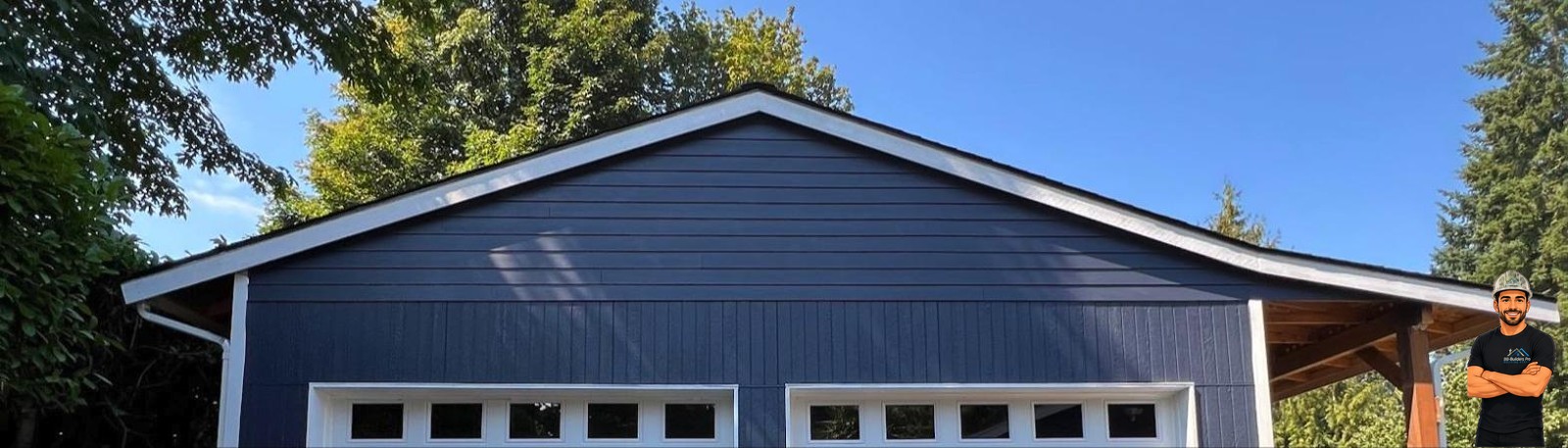
If you’re weighing a garage conversion, cost is usually the first question, and the honest answer is: it depends on what you’re turning that garage into. In Seattle, garage conversion cost typically runs from around $12,000 for a basic bonus room to $200,000 or more for a fully permitted accessory dwelling unit. The difference comes down to plumbing, permits, and whether the city needs to sign off on it as legal living space.
We’ve converted garages all over King County — Ballard, Wallingford, Renton, Bellevue — and the price swings more than most homeowners expect going in. Here’s what actually drives the cost, and what to budget for in 2026.
Garage Conversion Cost in Seattle: Quick Reference
| Project Type | Estimated Cost* |
|---|---|
| Basic bonus room (insulation, drywall, flooring, no plumbing) | $12,000 – $25,000 |
| Bedroom or home office conversion (add closet, egress window if needed) | $15,000 – $35,000 |
| Guest suite with a half or full bathroom | $55,000 – $95,000 |
| Full ADU-style suite (kitchenette, full bath, permitted living unit) | $100,000 – $200,000+ |
| Add electrical only (new circuits, outlets, lighting) | $630 – $1,890 |
| Add plumbing rough-in only | $950 – $2,520 |
| Permits — basic conversion (Seattle/King County) | $500 – $1,500 |
| Permits — full ADU permit set (building, plan review, electrical, plumbing, mechanical) | $2,500 – $3,500+ |
*Estimates only, based on 2026 industry pricing and our own project pricing in King County. Your actual quote depends on your garage’s condition, foundation, and what your specific address requires from the city.
What Actually Drives the Price
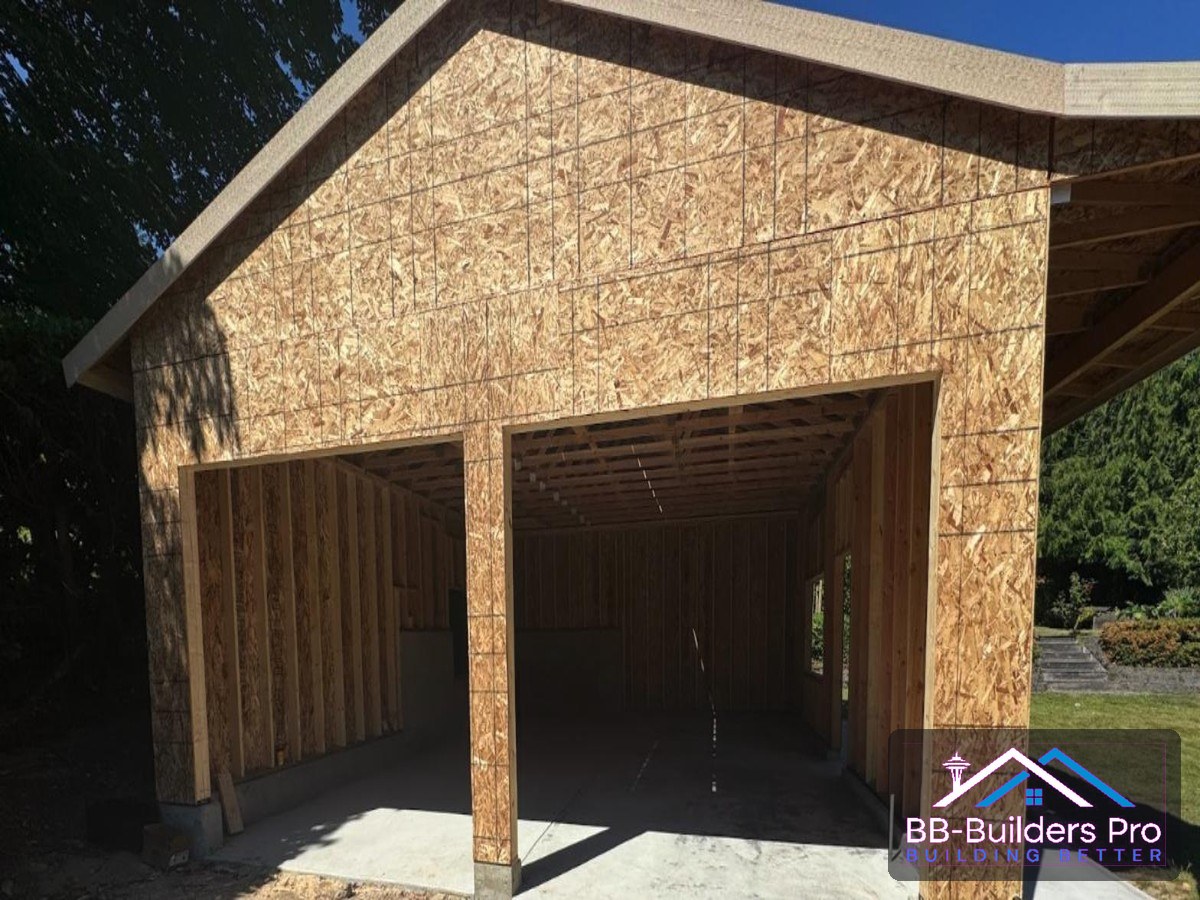
Garage conversion cost per square foot varies more than most remodels because a garage doesn’t start as living space. It starts as a slab, some framing, and a big door. Everything that makes it feel like a room — insulation, real flooring, drywall, heat, and often a new window — gets added from scratch.
The biggest cost swings come down to three things:
Plumbing. If you’re not adding a bathroom or kitchenette, you can often keep the project in the $15,000–$35,000 range. The second you add a sink, toilet, or shower, you’re paying for rough-in plumbing, venting, and usually a bigger permit — that’s what pushes projects into the $55,000+ tier.
The garage door. Most conversions replace the garage door with framing, insulation, and either a window or siding to match the house. That’s not optional if you want the room to actually hold heat through a Seattle winter, and it’s one of the line items people forget to budget for.
Code compliance. If you want the new room to legally count as a bedroom, it needs an egress window large enough to meet fire code, and the ceiling height and insulation need to meet current Seattle Building Code. Cutting a new egress opening into a garage wall is real structural work, not a cosmetic add-on.
Attached vs. Detached: Why It Matters
A lot of Seattle homes, especially older Craftsman and bungalow-style houses in neighborhoods like Ballard, Wallingford, and Green Lake, have detached garages off an alley. That changes the math.
Detached garage conversions cost more per square foot for utilities — running new electrical and plumbing lines from the main house takes trenching and permits of its own — but they also open the door to renting the space out as a separate unit, since it’s not physically connected to the main home. Attached garage conversions are usually cheaper to wire and plumb because they can tie into existing house systems, but the finished space reads more like a bonus room than a standalone unit.
Either way, expect your contractor to check the foundation and slab first. A lot of older Seattle garages were built with a thinner slab than a living space requires, and King County’s clay-heavy soil means drainage around the foundation needs a real look before anyone starts framing.
Turning Your Garage Into a Legal Rental
If the plan is to convert your garage into a rentable, code-legal unit — not just a bonus room for your own family — you’re really asking about an accessory dwelling unit (ADU), and that’s a bigger project with its own permit path and cost range.
Washington’s statewide ADU reform means most King County lots can now support up to two ADUs with no owner-occupancy requirement, and most jurisdictions have dropped minimum lot size rules. If you’re within about a half-mile of a major transit stop, you may not even need to add parking. A full garage-to-ADU conversion in Seattle realistically lands in the $100,000–$200,000+ range once you factor in a kitchenette, full bath, separate entrance, and the full SDCI permit process.
We cover ADU and DADU pricing in more depth in our ADU cost guide for Seattle — worth a read if a rental unit, not just extra space for your own family, is the goal.
Permits You’ll Need in Seattle and King County
Here’s where a lot of garage conversions get delayed: people assume it’s a quick permit because the walls are already there. It’s not, if you’re changing the space from storage to living area.
Converting a garage into habitable space changes its legal occupancy classification, which means Seattle’s Department of Construction and Inspections (SDCI) requires a full Construction Addition/Alteration Permit, not the faster subject-to-field-inspection permit some garage projects qualify for. You’ll also need separate electrical and plumbing permits if you’re adding outlets, lighting circuits, a bathroom, or a kitchenette.
Budget $500–$1,500 in permit fees for a basic, non-ADU conversion. For a full ADU-level conversion, permit fees (building, plan review, electrical, plumbing, and mechanical combined) commonly run $2,500–$3,500 or more, depending on the project’s valuation. Timeline-wise, simple permits can be issued within 48 hours, but a full construction permit typically takes 4 to 8 weeks — longer if your property sits in an environmentally critical area or a historic district, which applies to some King County lots near shorelines and steep slopes.
Seattle Weather and Older Garages: What to Watch For
Most garages were never built to the same standard as the rest of the house, and our climate doesn’t forgive shortcuts. A few things we check on every garage conversion in this area:
- Moisture and drainage. Garage slabs often sit close to grade with minimal vapor barrier underneath. Before we finish a floor, we check for moisture coming up through the slab — a real issue in our wet winters.
- Insulation. Uninsulated garage walls and ceilings are common, especially in homes built before the 1990s. Bringing the space up to current energy code usually means new wall and ceiling insulation, not just a space heater.
- Old wiring. Detached garages on older King County properties sometimes still run on undersized or outdated wiring. If yours does, budget for an electrical upgrade before you plan to add a mini-split or full HVAC run.
- Seismic strapping. If your garage conversion adds significant weight or living space, your contractor may need to add seismic bracing to meet current code — Washington takes this seriously given our fault lines.
How Long Does a Garage Conversion Take?
A basic bonus room conversion, once permitted, typically takes 3 to 6 weeks of actual construction. Add a bathroom or kitchenette and you’re looking at 6 to 10 weeks. Full ADU-level conversions, including permitting, commonly run 4 to 6 months start to finish in King County — most of that is the permit and inspection process, not the framing and finish work.
Is a Garage Conversion Worth It?
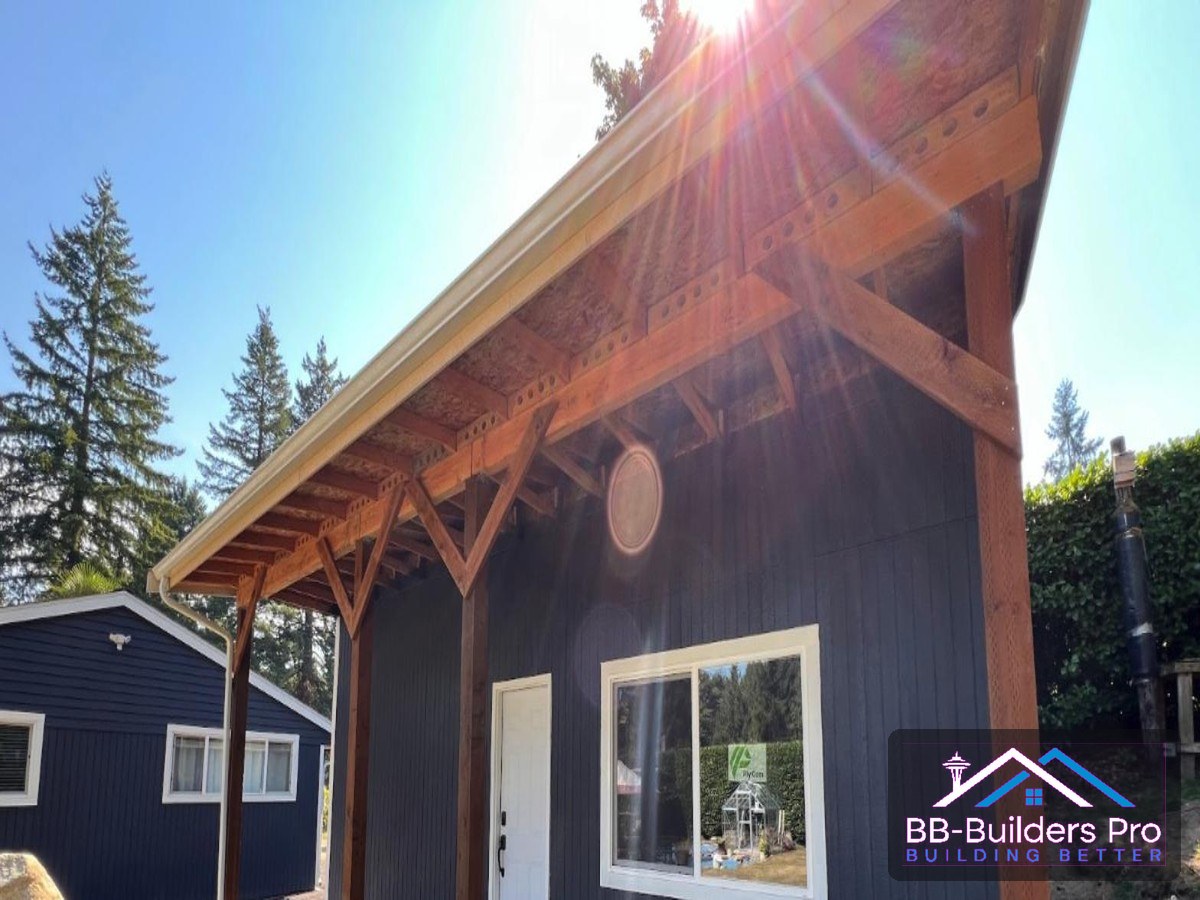
For most Seattle homeowners, yes. A well-executed garage conversion can return a meaningful share of its cost at resale, and it’s almost always cheaper than a ground-up addition since you’re building inside walls and a roof that already exist. We go into more detail on the benefits in Why Choose a Garage Conversion, including how it compares to a full home addition.
The trade-off is losing covered parking or storage, which matters more on some King County lots than others depending on street parking rules and how much storage space you have elsewhere on the property.
FAQ
How much does it cost to convert a garage into a bedroom in Seattle?
A bedroom conversion, including insulation, drywall, flooring, closet, and an egress window if the garage doesn’t already have one, typically runs $15,000–$35,000. Adding a bathroom pushes that into the $55,000–$95,000 range.
Do I need a permit to convert my garage in King County?
Yes. Converting a garage to living space changes its occupancy classification, which requires a full construction permit from SDCI (or your city’s building department outside Seattle proper), not just a basic field-inspection permit. You’ll need separate electrical and plumbing permits if you’re adding those systems.
Can I turn my garage into a legal rental unit?
Yes, if it meets Washington’s ADU requirements for size, setbacks, and life-safety code. This is a bigger project than a standard bonus-room conversion — expect $100,000–$200,000+ and a longer permit timeline. See our ADU cost guide for details.
What’s the biggest cost driver in a garage conversion?
Plumbing, by far. A conversion without a bathroom or kitchenette can often stay under $35,000. Add a bathroom and you’re paying for rough-in plumbing, venting, and a bigger permit package, which is what pushes projects past $55,000.
How long does a garage conversion take from start to finish?
Simple bonus-room conversions take 3–6 weeks of construction after permitting. Full ADU-level conversions, including the SDCI permit process, typically take 4–6 months in King County.
Thinking About Converting Your Garage?
Every garage is a little different — slab condition, wiring, and what the city will require all vary by address. Give us a call at 206-851-4233 or reach out through our contact page and we’ll walk your specific garage through what it would actually take to convert it.