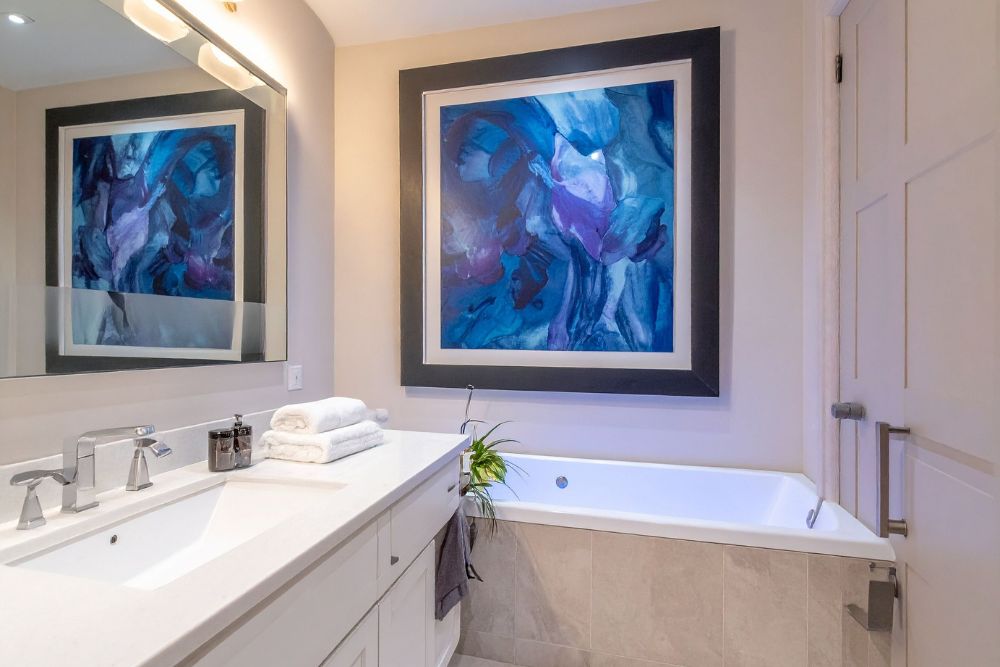
Any planned modifications to your Seattle condominium unit need to go through the homeowners association (HOA). Now, going through the condo bathroom remodel HOA approval process does not have to be stressful. Here’s how you can pass the association’s scrutiny with flying colors.
Why Your HOA Cares About Your Bathroom Remodel
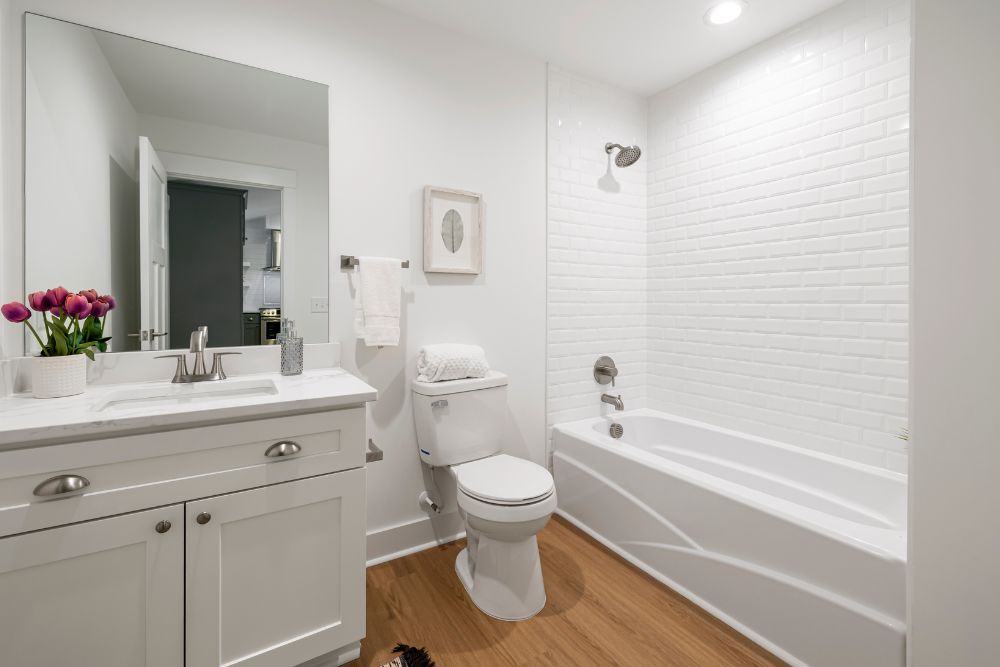
Your HOA is not being nosy meddlers. There are several reasons they care about what you do to your unit, specifically:
- Shared systems and infrastructure. Seattle condominiums run on tightly integrated utility stacks. Any change in one unit could affect the entire line. For example, diverting plumbing for a bathroom addition could affect water pressure or drainage in units above and below your own.
- Structural integrity vs. cosmetic changes. Your HOA will likely quickly approve of your remodel if the changes are purely cosmetic. If it involves any structural changes, your HOA and the Seattle Department of Constructions & Inspections (SDCI) will have to review your plans before signing off.
- Liability and building insurance. In Washington state, HOA master insurance policies typically cover the shared elements and outer shell of the building. Any modifications within individual units might void master coverage. At worst, they could trigger massive liability claims if the alterations cause a fire, leaks, or structural issues to adjacent units. A formal approval, then, keeps the master policy intact.
The Standard Condo Bathroom Remodel HOA Approval Process
Different Seattle HOAs may have different standards for regulating condo modifications, but they follow roughly the same bathroom remodel approval process. We can boil it down to the following three steps:
1. Review Your CC&Rs and Bylaws
Before you start hiring a bathroom remodeling contractor, you will have to consult your HOA’s covenants, conditions, and restrictions (CC&Rs) and bylaws. These documents define what’s called the “limited common element” as opposed to your unit’s private boundaries. The paperwork also specifies work hours, material restrictions, and soundproofing standards.
2. Prepare Your Alteration Agreement
Most HOAs in Seattle will require a formal application or alteration agreement before any work on your remodel starts. Typically, you will have to submit detailed scope-of-work plans and proof of your contractor’s active license to operate in Washington. You can verify this in the Washington State Department of Labor & Industries (L&I) My L&I portal. You will also need to provide your contractor’s bond and insurance naming the HOA as an insured party.
For any project involving structural or utility modifications, you will need to include stamped engineering drawings or your SDCI permit application. You can also use the Seattle Services Portal to apply for a permit.
3. The Board or Architectural Committee Review
After you have submitted the necessary documents, the HOA board or architectural review committee (ARC) will review your plans. This ensures they meet the building’s structural, plumbing, and electrical guidelines. In most cases, they will also check your visual choices to make sure they work with the building’s aesthetic.
In historic Seattle buildings and modern high-rises, the HOA may have to consult a third-party consultant or engineer. You will have to shoulder their professional fees. Once your plans were approved, you should receive a written sign-off and detailed contractor guidelines. This is essentially a green light to pull your final city permits and begin the work.
Essential Documents to Prepare for Your HOA
Condo HOAs in Seattle will usually ask for the following documents from you:
- Detailed floor plans and scope of work. This includes the as-built layout, plans detailing the proposed changes, electrical, and plumbing designs. It may also include a written summary and timeline of the project.
- Proof of contractor licensing and insurance. These papers detail your contractor’s active Washington state license. It also covers general liability certificates and workers’ compensation insurance. The latter should name the HOA as an additional insured party.
- Waterproofing specifications. These are technical documents detailing installation plans for moisture barrier systems. This is crucial to protecting Seattle bathrooms against the damp Pacific Northwest weather.
- Sound attenuation and underlayment ratings. These are manufacturer spec sheets that show how the hard surface flooring or drywall insulation meets the building’s sound transmission class (STC) and impact insulation class (IIC) acoustic ratings.
- SDCI permits. These are copies of all required trade permits (electrical, plumbing, or structural engineering) or official permit applications for the more complex remodels.
- Waste disposal and staging logistics plan. This outline details how your contractor plans to remove construction debris out of the structure, handle parking, and manage day-to-day cleanup according to the building’s rules.
Seattle-Specific Condo Renovation Considerations

Seattle condo bathroom remodels are subject to strict building codes and administrative oversight. Homeowners should also consider architectural constraints due to shared utility stacks. As it is, you’ll need to navigate the city’s technical requirements and your building’s logistical challenges.
Local Building Codes and Permits
The following codes govern Seattle condo bathroom remodels:
- Seattle Building Code (SBC). This general building code sets requirements for alterations of existing edifices and construction of new ones.
- Seattle Plumbing Code. This code governs the design, installation, and maintenance of plumbing lines and bathroom fixtures.
- Seattle Electrical Code. It sets requirements to ensure the safe handling and installation of electrical systems. The National Electrical Code (NEC) serve as the basis for this code.
- Seattle Mechanical Code. This code applies to all mechanical installations. In bathroom remodels, it specifically sets ventilation standards.
SDCI permits ensure these codes are properly enforced. You will generally need to apply for a building permit via the Seattle Services Portal. Approval for this may take 2 to 8 weeks. Meanwhile, SDCI approves Subject to Field Inspection (STFI) permits for simpler remodels within 1 to 3 business days.
If your remodel requires utility or structural rework, you’ll need trade-specific permits. You can get permits for electrical, mechanical, and structural work from the SDCI. For plumbing permits, you will need to apply with Public Health – Seattle & King County.
Dealing with Seattle High-Rise Logistics
High-rises, such as those in Downtown and South Lake Union, are notoriously difficult for contractors. Navigation is tricky due to strict building rules and space constraints. Moving materials in and out of the building also require coordination between the contractor and building authorities. This aims to resolve the following challenges:
- Elevator use
- Elevator protections
- Work hour restrictions
- Noise rules
- Parking and loading dock access
- Debris removal and staging
Tips to Ensure a Smooth HOA Approval
Getting HOA approval basically means working with them to make your bathroom remodel possible. However, you don’t want to undergo a long back-and-forth until you reach a compromise. Here are two key practices to ensure a smooth condo bathroom remodel HOA approval:
1. Communicate early with property management.
Contact your building administrator or the HOA board before finalizing your plans. Be sure to obtain the HOA’s alteration checklist and the building’s modification rules. This is a great way to prevent costly rework or immediate restrictions.
2. Hire professionals experienced with condos.
It’s always best to hire a bathroom remodeling contractor experienced with condominiums. They should be able to take care of the paperwork with SDCI, the condo HOA, and the building administration. They can also handle logistical issues for high-rises, mid-rises, and historic buildings.
Bring Clarity to Your Seattle Condo Renovation
Getting a condo bathroom remodel HOA approval does not have to feel like treading a web of red tape. It takes more than careful planning. It also takes coordinating with the right authorities to turn the daunting process into a smooth, structured project. Review the rules and make the right calls, and you’ll end up passing the HOA’s strict evaluation process.
Let BB-Builders Pro handle your condo bathroom remodel. With our extensive bathroom remodeling portfolio and experience in Seattle’s stringent building codes, expect us to make your project sail smoothly. Give us a call today and get a free quote.
FAQs
What happens if I remodel my condo bathroom without HOA approval?
Generally, you will get a stop-work order from the HOA. They will levy penalties to your account until you comply with the building rules.
Can a Seattle HOA legally deny my request for a bathroom remodel?
Yes, they can, but only if your remodel fails to meet the requirements set by the building’s CC&Rs. For example, plans that might get denied include those that impact load-bearing walls or have flooring that doesn’t meet the building’s soundproofing requirements.
How long does the average condo board take to approve a renovation request?
This depends on the complexity of your bathroom remodel. Assuming complete documentation, simple remodel plans could take 2 to 3 weeks to approve. Meanwhile, if alterations to the structure or utility lines are involved, approval could take 4 to 8 weeks. This can take much longer in historic buildings, which may require a thorough engineering review.
Do I need HOA approval to simply replace my bathroom vanity or toilet without moving any pipes?
Like-for-like replacements will not need HOA approval if you’re not modifying the structure or utilities. However, you may still need to notify and coordinate with the association and the building administration for your contractor’s access and the necessary water shut-offs.