
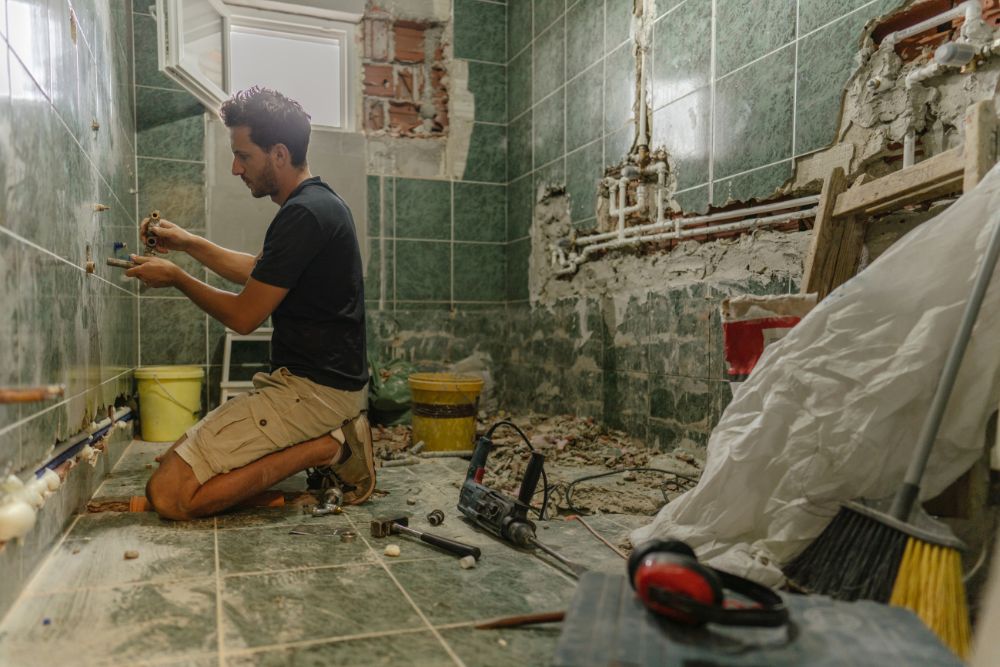
Bathroom renovation is a complex undertaking, especially in West Seattle, where the past and present converge. Between navigating the city’s permit requirements and cramped, outdated construction, things can get stressful and complicated. Thankfully, we’ve been there and done that, so we’re sharing 15 bathroom renovation tips to ensure your project stays on track and adds real value to your West Seattle home.
15 Bathroom Renovation Tips to Keep In Mind Before Starting Your Remodel
A bathroom renovation project is a delicate combination of logistics, technical precision, and aesthetic choices. Before you start tearing down those old walls, there are a few things to keep in mind:
- Planning constitutes 90% of success.
- Prioritize comfort and longevity over trends.
- Expect the unexpected.
Based on these principles, here are 15 tips to help you turn your dream bathroom into reality.
1. Remodel for your own use.

Consider your own needs as you plan your remodel. As you will be the current user, it is prudent to design the bathroom around your requirements rather than prepare it for a future resale. Here are some questions that you can ask before you start sketching:
- How do you plan to use your bathroom?
- How should it serve your family’s needs?
- Do you have seniors and other users with special needs in your household?
- Do you have children, or are you planning or expecting to have one?
- Are there any specific upgrades or features you would like?
These questions should help you identify your requirements. Use these to guide you as you develop your remodel designs.
2. Prepare for long remodeling timeframes.

Bathroom renovation can take between four and eight weeks, but that’s under near-ideal conditions. Taking into account permitting and delivery times, a complete remodel can take longer, so it pays to prepare in the event. Consider alternatives if you don’t have a second bathroom in your home. Coordinate with neighbors or the local gym, or rent portable facilities. If you have at least one other bathroom, be sure to create a comprehensive user schedule to prevent complications within your household.
3. Get everything ready before starting.
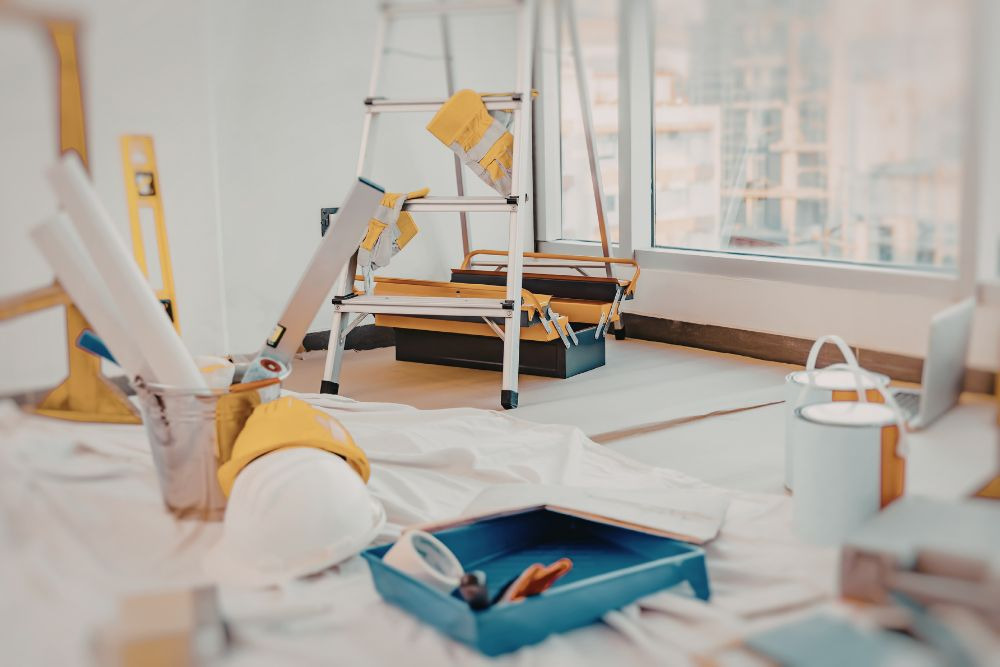
In West Seattle, the waiting game is one of the most common causes of bathroom renovation delays. Complete permitting requirements in advance and note the supplies you’ll need to start the remodel. Given the city’s narrow streets, you’ll want to have them all delivered, inspected, and ready before the demolition starts. This ensures uninterrupted service and keeps the bathroom usable while you wait for your orders to arrive.
4. Keep a budget for surprise expenses.

Many times out of ten, you won’t spot problems until you start breaking the walls and floor. In West Seattle, this tends to come in the form of rusted pipes, outdated wiring, and structural rot. Be sure to have a safety net of 15% to 20% of your planned budget for possible repairs and unexpected material expenses.
5. Buy the supplies yourself.

If you’re working with a contractor, it’s best that you buy the materials and accessories yourself and just pay for the labor and expertise. Contractors often apply a markup to account for the time and logistics required to procure the goods. Buying the supplies yourself also lets you hunt for bargains and ensure that the materials fit your standards. However, note that contractors don’t have a warranty for materials they did not purchase, so it’s best to stick with trusted suppliers or low-risk items.
6. Choose your tiles wisely.
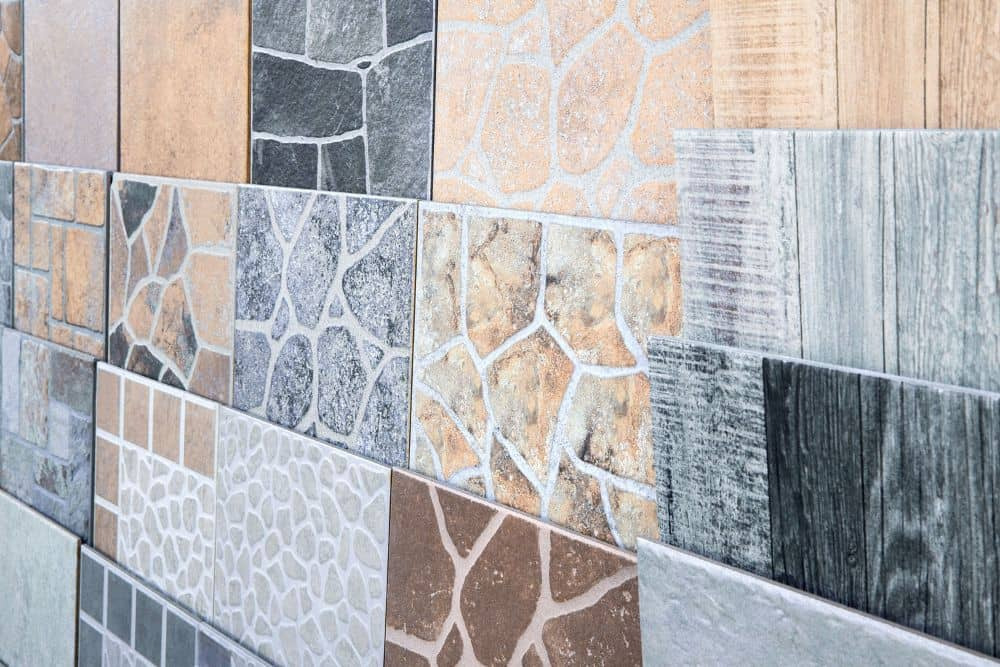
Prioritize safety and maintenance when choosing your tiles. Find tiles with a wet dynamic coefficient of friction (DCOF) rating of 0.42 or higher to ensure slip prevention. Grout is another factor to consider. More, light-colored grout lines around small tiles look pretty, but hard to clean and maintain.
7. Invest in heating.
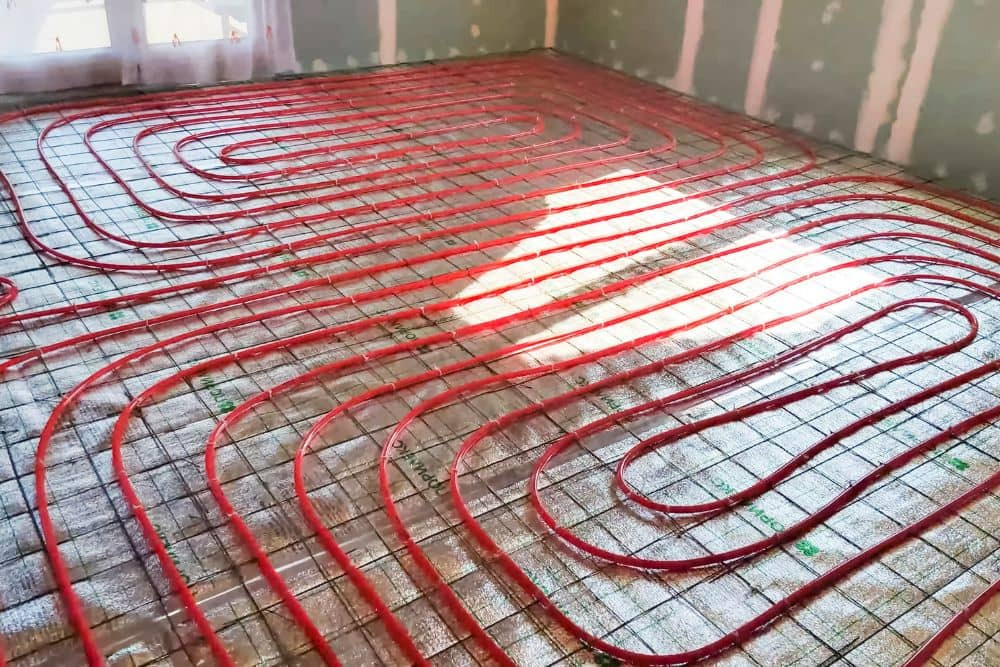
If your remodel requires tearing up the tilework, you might as well add radiant floor heating. Install towel warmers, too, while you’re at it. This is an inexpensive way to turn your bathroom’s comfort up to eleven, especially in West Seattle’s chilly winter months.
8. Be wary of trends.
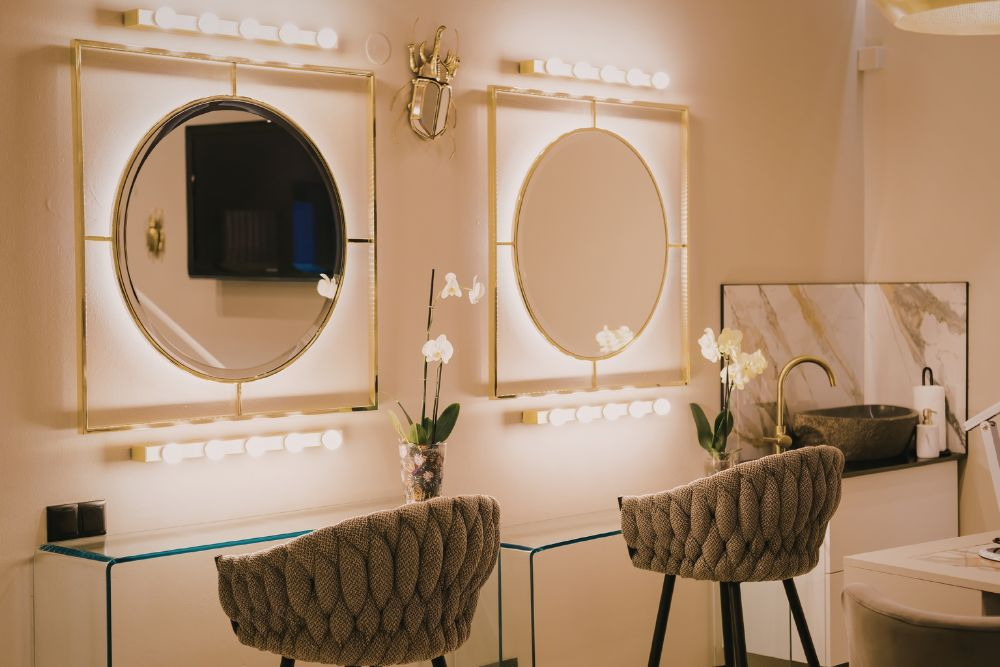
Design and architectural trends can’t and won’t outlive your bathroom. Treat your remodel as a long-term investment. You might get tired of trendy designs in a few months, but a well-thought-out remodel will remain a classic for decades.
9. Plan your outlet placements carefully.
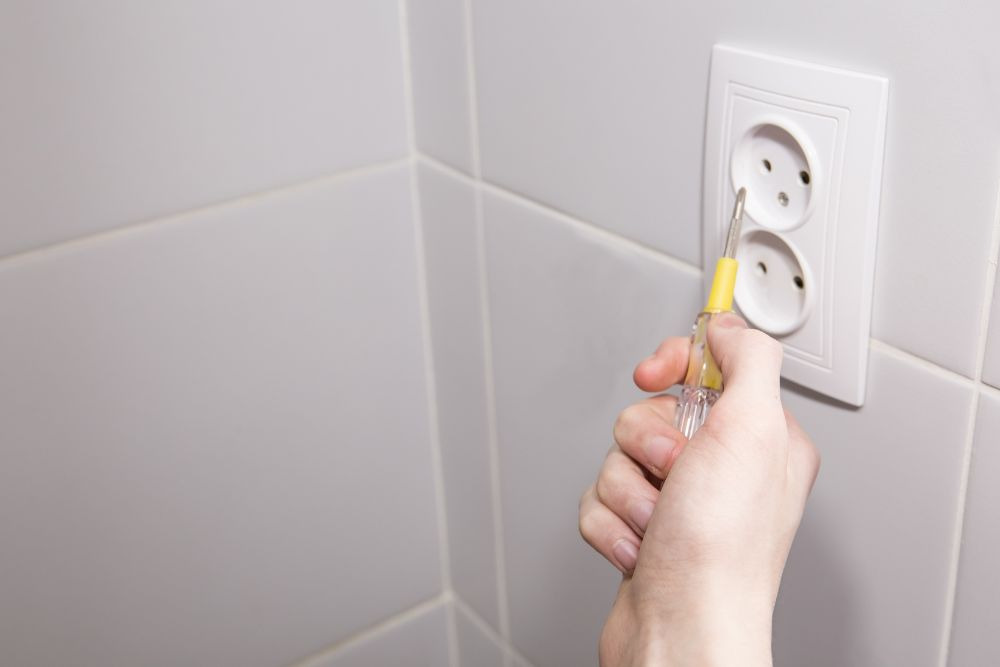
Electricity is a hazard in an improperly planned bathroom remodel. For outlets, the most common-sense approach is to keep them away from water. Place them high enough to avoid splashes or inside the vanity drawer. You will also need to install ground-fault circuit interrupter (GFCI) outlets in accordance with the National Electrical Code (NEC).
10. Work with professional bathroom remodelers.
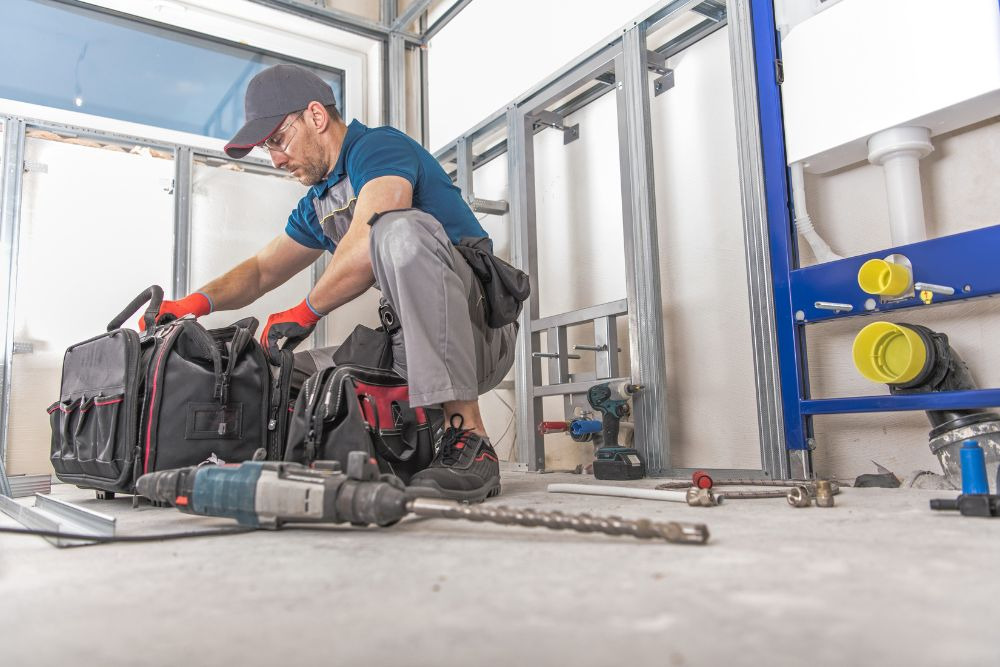
Instead of working with multiple independent contractors, partner with a local professional bathroom remodeling company. They have the equipment, experience, and in-house talent to streamline the process. Additionally, they are well-versed in navigating West Seattle’s permitting labyrinth. They can help you avoid long waiting times and get the project started without much delay.
11. Pick the perfect paint.
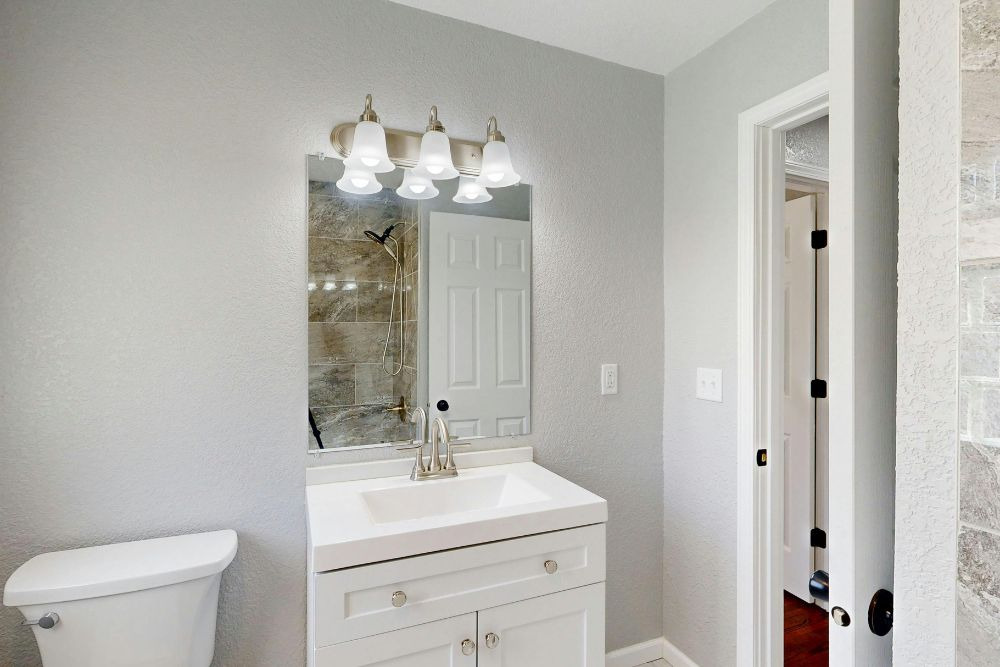
Your color of choice can make or break your remodel. The safest bet would be whites or light colors, as they can make your bathroom look larger. Dark or bold paint jobs, on the other hand, can add more depth to your space, if done right.
12. Maximize storage space.
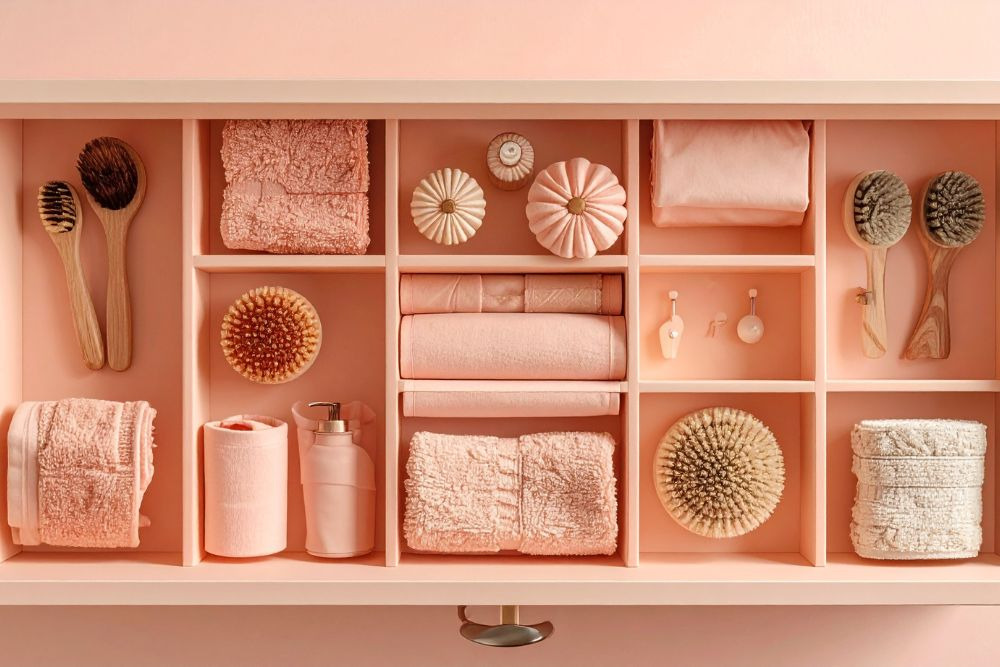
Don’t just add more and larger cabinets. Consider taking advantage of the wall thickness for recesses, or adding storage to underutilized vertical spaces. It also pays to give the corners some attention.
13. Reglaze, not replace, your bathtub.
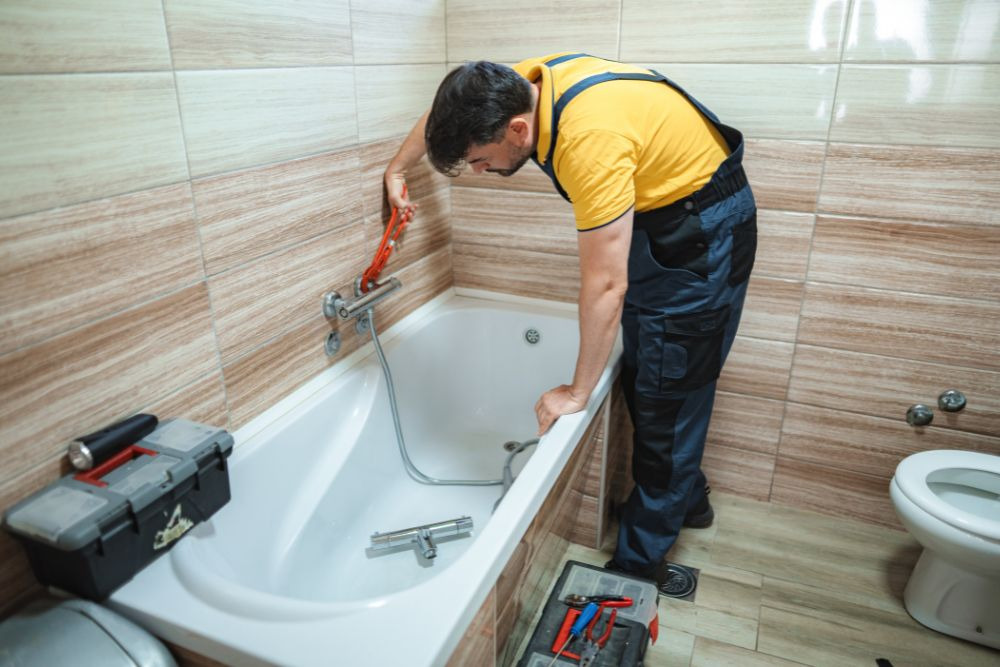
New bathtubs are expensive, so if you’re not dealing with a broken tub, you can just reglaze instead. Professional bathroom remodeling companies often offer reglazing services for that matter. They can refresh your bathtub at a fraction of the cost of a new purchase.
14. Go for layered lighting.
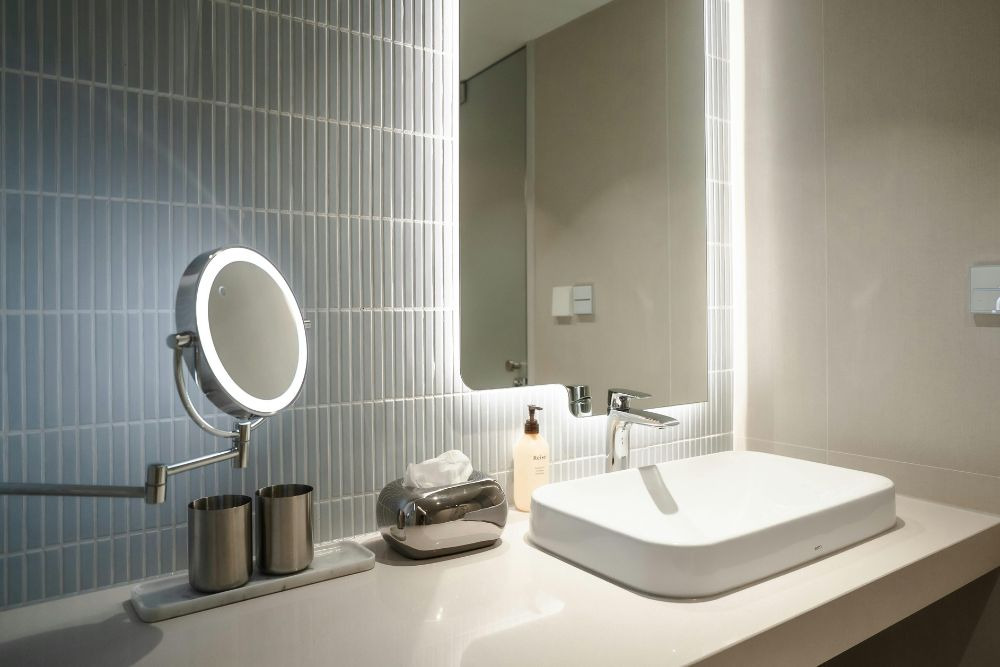
Bright overhead lights can be very harsh on the eyes. Instead, you can install the following:
- Task lighting. These bright, focused lights illuminate task areas such as vanities and counters.
- Ambient lighting. This is usually a centrally located lighting fixture that provides gentle, general illumination.
- Mood lighting. These are typically dimmable LEDs in recessed areas that emit relaxing, low-light glows.
15. Consider future-proofing.
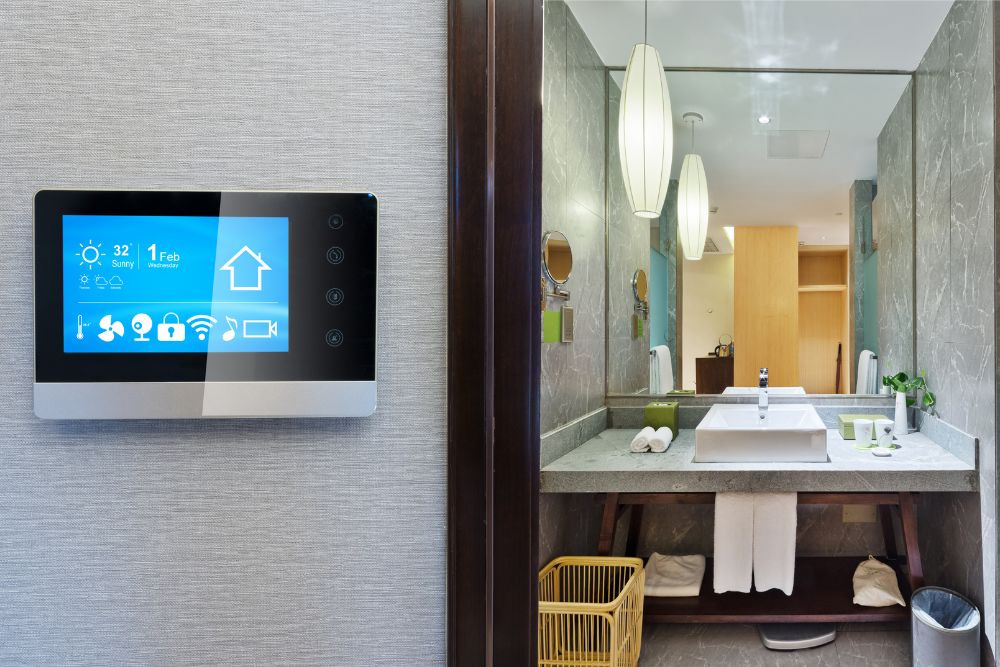
Think about universal design. Incorporate features that will help you age in place, and provide allowance for fixtures you want to install in the future. You should alsoinvest in smart Internet of Things (IoT) features, such as humidity sensors, smart mirrors, and voice-activated shower and faucet controls.
Key Takeaway: Plan Properly and Make the Right Choices
Proper planning and common-sense decisions make for a smooth, stress-free bathroom remodel project. While you should consider your needs and preferences, it’s also important to work within your budget, time constraints, and local building codes. Let these bathroom renovation tips guide you as you transform your bathroom into the ultimate spa retreat.
FAQs
What is a realistic budget for a bathroom renovation?
In West Seattle, realistic bathroom remodel budgets start at $30,000 and go up to $35,000. However, this can be much lower for purely cosmetic upgrades, or higher than $100,000 for luxury remodels.
What are the biggest mistakes in bathroom remodel?
Many remodelers have fallen victim to many bad bathroom renovation practices. However, the worst ones are as follows:
- Moving around plumbing rather than working with the existing pipework.
- Ignoring ventilation, allowing molds and humidity to proliferate.
- Improper waterproofing, causing moisture to infiltrate the wood frame.
- Installing inadequate or inappropriate lighting, causing the lights to be too bright or too dim.
- Leaving little space for movement, making the bathroom hard to use and prone to accidents.
What is the best order to renovate a bathroom?
Bathroom renovation projects start and finish in this order:
- Planning
- Demolition
- Structural repairs and modification
- Electrical and plumbing rough-in
- Shower pan installation and waterproofing
- Drywall installation and painting
- Tiling and grouting
- Major fixture installation
- Completion of plumbing and electrical work
- Adding the finishing touches