Saving water in always-rainy Seattle seems counterintuitive. However, the changing weather patterns make the push for water efficiency an urgent matter. Hotter summers, wetter winters, and unseasonal rain all point to the need for Seattleites to make wise choices in water usage. Perhaps the best place to start is with water-saving fixtures for Seattle bathroom spaces.
So what are these fixtures, and where can you find them? Let’s discuss just that and how you can build a completely water-efficient bathroom.
Top 4 Water-Saving Fixtures For Seattle Bathroom Upgrades
When looking for water-saving fixtures, find the WaterSense label. This certification is sponsored by the U.S. Environmental Protection Agency (EPA) and applies to tried-and-tested water-efficient products. You will usually find this label in the following fixtures:
Water-Efficient Faucets
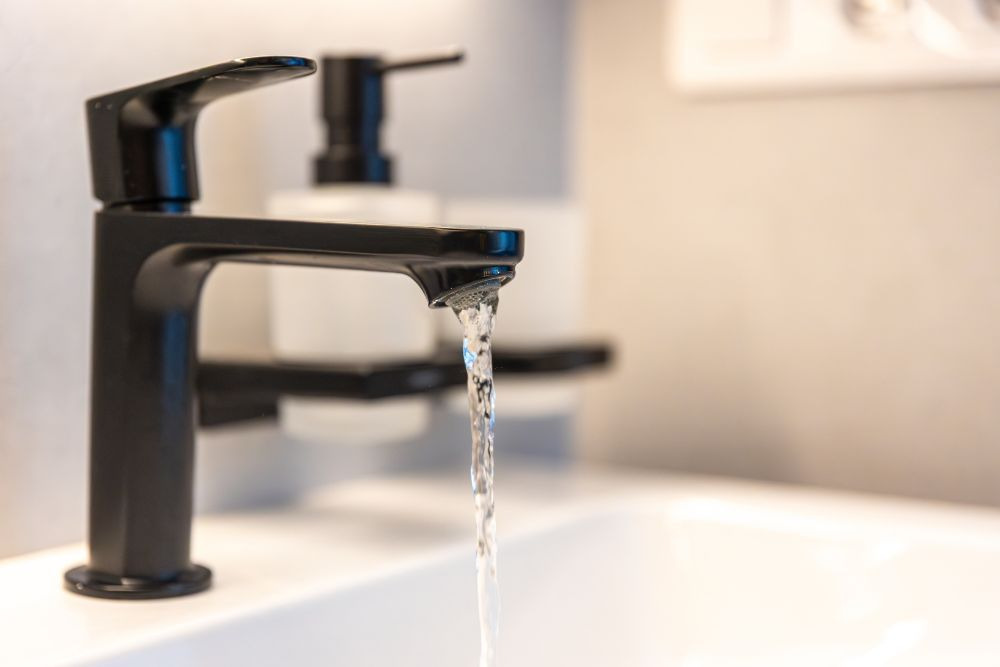
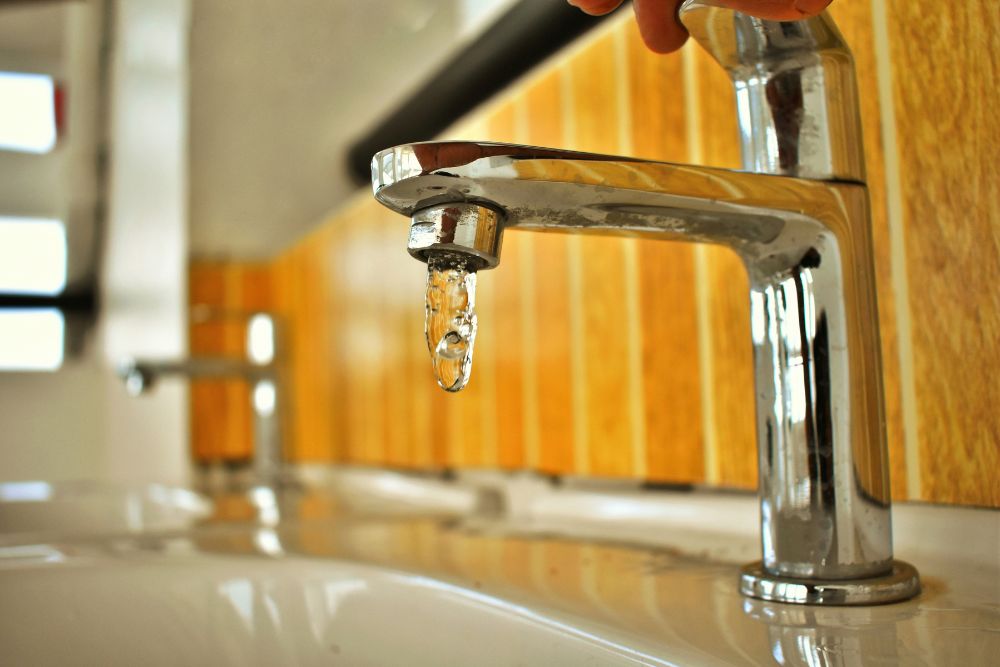
High-efficiency water faucets with a flow rate of 1.2 gallons per minute (GPM) are the best water savers in the market. Upgrading your faucets to these models is a game-changer. After all, faucets are the most frequently used fixture in any Seattle bathroom.
Although faucets account for only about 15% to 19% of total indoor water use, they are prone to abuse and misuse. They are often left running unattended and used for longer than they should be. A water-efficient faucet mitigates the impact of such instances. Integrating leak prevention measures, such as automatic shut-off valves, practically makes it one of the best water-saving fixtures for Seattle bathroom spaces.
Low-Flow Showerheads
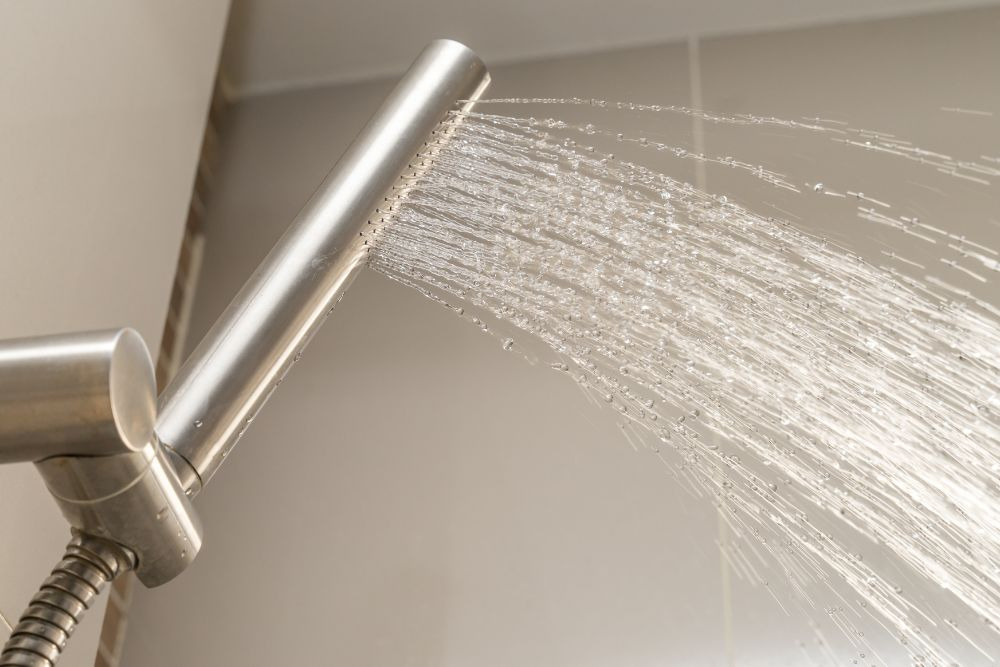
Showers use a lot of water, especially given their duration. As such, it helps to upgrade your bathroom with low-flow showerheads. WaterSense-labeled showerheads with a flow rate of 1.25 to 1.5 GPM should help you save a significant volume of water without impacting your shower routines. Couple this with aerators or high-pressure steam technology, and you will get the same power as standard 2.5 GPM shower setups.
Two 1.5 GPM low-flow showerheads are available with the Washington Water Service’s water conservation kit. If you are signed up with the utility provider, you can conveniently request the kit via an online form. The kit also includes other water-saving items, such as faucet aerators, a hose nozzle, and toilet leak tablets. It remains available for as long as supplies last.
EPA WaterSense-Certified Dual-Flush Toilets
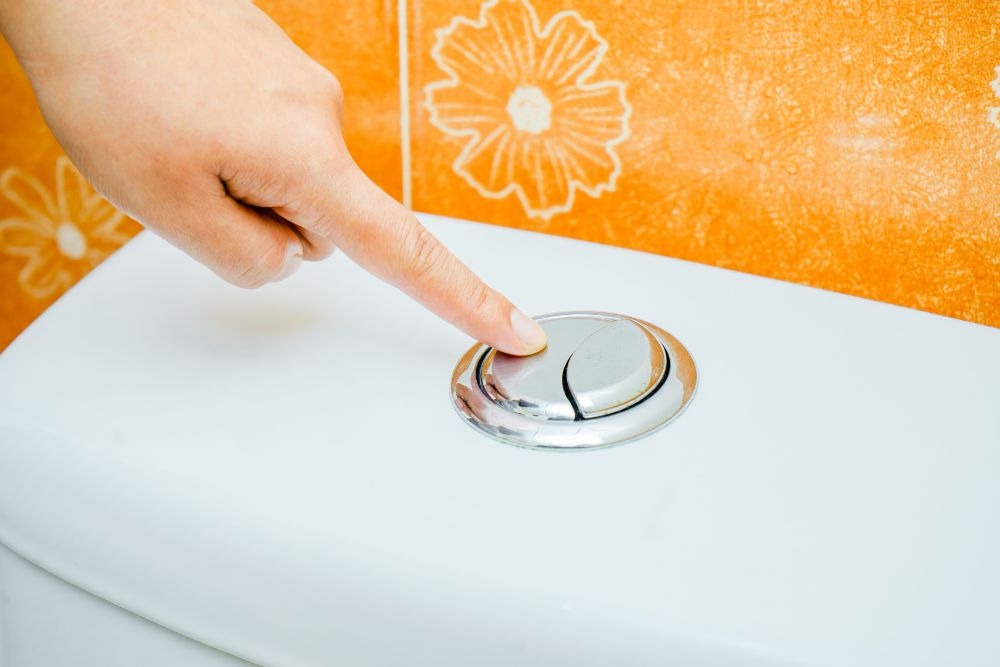
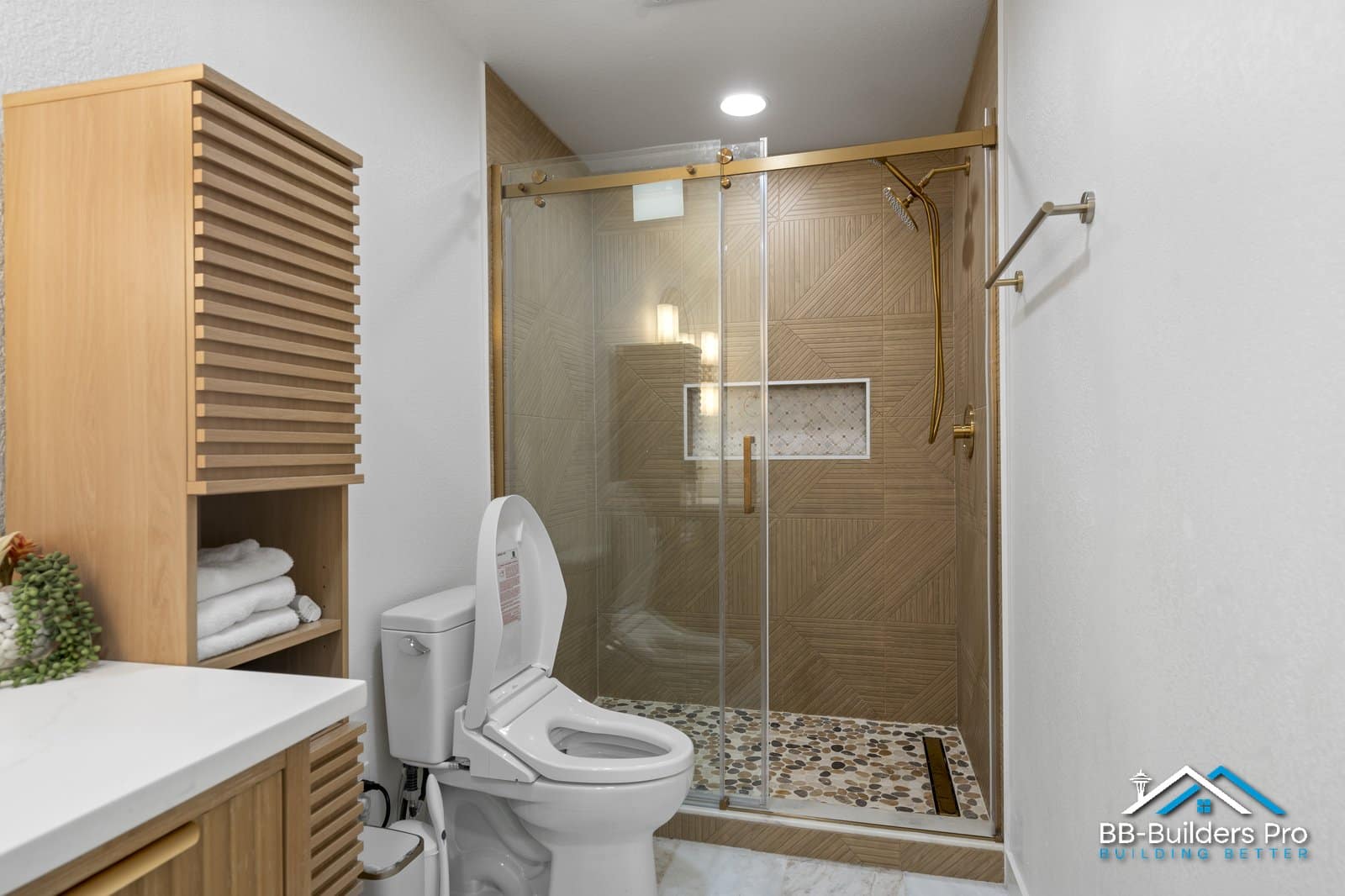
You may not use toilets often, but, in terms of usage volume, they top all the other fixtures in your bathroom. EPA WaterSense-certified dual-flush toilets help keep your toilet’s water output at an effective minimum. This toilet uses less water for flushing, especially in light-use cases. This type of toilet uses 1.28 gallons per flush at most, compared to older models that can use as much as 1.6 gallons per flush.
Upgrading to these efficient toilets reduces a household’s water use by about 20% to 60%. This is significant, especially given that toilets expel large volumes of water per use. This also lets homeowners save about $170 per year on the water bill.
Faucet Aerators
Aerators are faucet attachments that break up the flow into multiple smaller streams. This provides the benefit of debris filtration, improved water pressure, and reduced water use. Essentially, these gizmos improve the faucet’s efficiency, making them integral to the EPA’s WaterSense program.
WaterSense-labeled aerators reduce the faucet’s water flow to 1.0 GPM. These are also available in Washington Water Service’s water conservation kit, along with low-flow showerheads. They are easy to install and should work with regular faucets.
Beyond the Gadgets: Tips to Build a Water-Efficient Bathroom Remodel
Switching to water-saving fixtures for Seattle bathroom remodels is but the first step to building a water-efficient space. Here are other things that you can do to ensure you don’t consume more water than necessary during everyday bathroom use:
- Avoid high-consumption fixtures. Older fixtures tend to have higher flow rates than WaterSense-certified models. As always, check for the sticker, but if you wish to go by the numbers, here’s a quick guide:
- Showerheads should not exceed 1.8 GPM
- Faucets should not exceed 1.2 GPM
- Toilets should not exceed 1.6 gallons per flush
- Optimize your bathroom infrastructure. Ensure the pipes are correctly sized and pitched, with low-flow valves to maintain consistent pressure, and recirculating pumps to reduce water waste from waiting for hot water.
- Use sustainable materials. Select non-porous, preferably recycled, finishes. They are easy to maintain and require less water to clean. Porcelain and ceramic tiles come to mind in this regard, as they are highly waterproof and made of clay and common minerals.
- Choose fixtures with just the right size. Although large soaking tubs provide the best spa-like experience, they require large volumes of water to fill. Choose a model with just the right size to provide a comfortable soak for less water, without sacrificing ergonomics.
- Divert light wastewater for landscape irrigation. Consider installing a system that diverts graywater to your landscaping. This eliminates the need for a dedicated irrigation system and reduces water use by about 30%.
- Integrate smart leak detection and prevention technologies. Invest in leak detectors and automatic shut-off valves. These devices monitor your pipes and seal connections to prevent leaks from burst pipes.
Save Water, Save the Planet, and Save Some Money
Investing in water-saving fixtures for Seattle bathroom remodels extends beyond lower water bills. Every gallon saved creates a ripple effect across the Puget Sound, maintaining healthy stream levels and easing the burden on the city’s sewage system. In turn, this mitigates water pollution and fosters a resilient environment for local wildlife. Small changes to your bathroom can go a long way.
Partner with BB-Builders Pro to build a water-efficient bathroom that doesn’t compromise comfort. Our bathroom remodeling experts will help you realize a space that blends beauty with conservation. We specialize in navigating the complexities and quirks of Seattle home improvement, ensuring a sustainable remodel that delivers immediate and long-term value. Call us today.
FAQs
What type of fixtures use the least amount of water?
WaterSense-labeled bathroom fixtures use less water than their standard counterparts. Dual-flush toilets, low-flow showerheads, and aerated faucets perform especially well in terms of water efficiency.
Which fixture uses the most water?
The toilet is the biggest water consumer per use. Older ones that are not WaterSense-certified use about 3.5 gallons of water per flush.
What runs your water bill up the most?
While it’s easy to blame fixture use and misuse for runaway water bills, the biggest culprit are almost always undetected leaks. Leaking toilets, for instance, can waste an average of 200 gallons per day and add hundreds of dollars to your bill if left unchecked.