Remodeling a bathroom in Seattle requires strict compliance with the city’s electrical code. This not only ensures your project passes permitting requirements, but also safeguards users from electrical hazards in the bathroom’s high-moisture space.
With that in mind, let’s take a look at the bathroom electrical code requirements in Seattle in 2026. Let’s go over the recent changes, the current state of compliance requirements, and what it means for your remodel.
Seattle Electrical Code: What Changed In 2026?
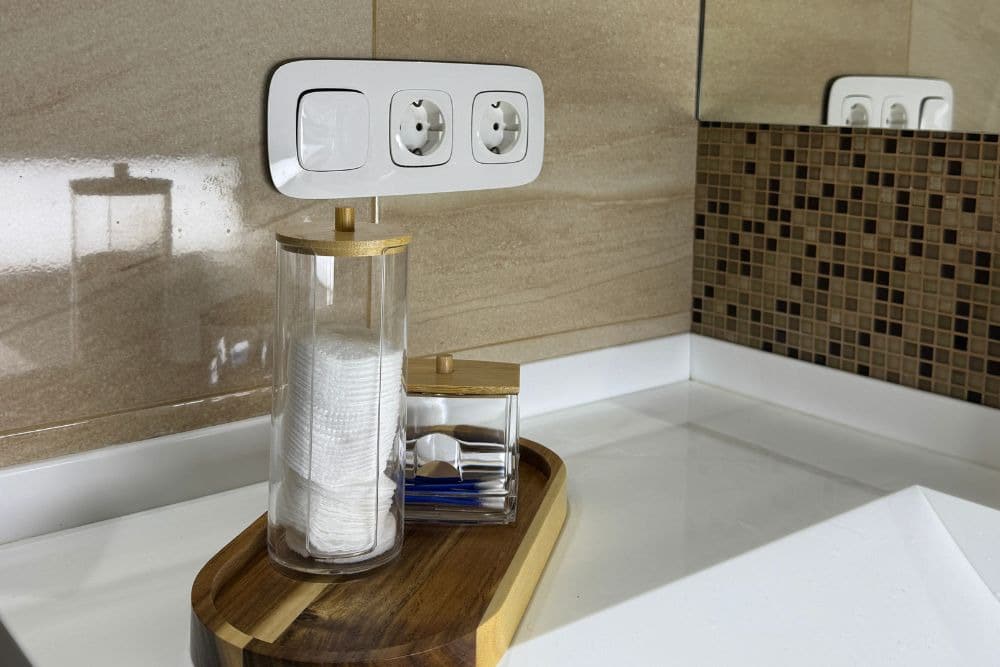
For the most part, the Seattle Electrical Code remains unchanged. Most of the core safety principles remain the same. This is true, even as the city moves toward adopting the 2026 National Electrical Code (NEC) and 2024 Seattle Electrical Code amendments. The most notable changes are as follows:
- Receptacle placement specifics. NEC 210.52(D) now specifies that at least one receptacle must be within 3 feet from the outside edge of a sink. They can be on the wall or side of the vanity, provided that they are no more than 12 inches below the countertop level.
- Expanded GFCI classification. Ground fault circuit interrupters (GFCI) now have C, D, and E classifications. These are for outlets that can handle loads unsuitable for standard class A GFCI.
- Updated load calculations. The Seattle Electrical Code has revised load calculation methods. This ensures the electrical panel is not overwhelmed by modern, high-powered fixtures.
- Access and visibility rules. Disconnects for specialized electrical equipment must be visible and accessible.
- Tamper-resistant requirements. The current code includes 125-V and 250-V receptacles in the tamper-resistant list. This ensures that these outlets are child-safe.
- Increased permitting oversight. The Seattle Department of Construction & Inspections (SDCI) has updated the review processes for over-the-counter electrical permits. There’s now more focus on 2026 GFCI standards for Subject-to-Field-Inspection (STFI) projects. SDCI has also updated the fee tables. Standard permitting fees now have a $292 base hourly rate.
Updated Bathroom Electrical Code Requirements In Seattle
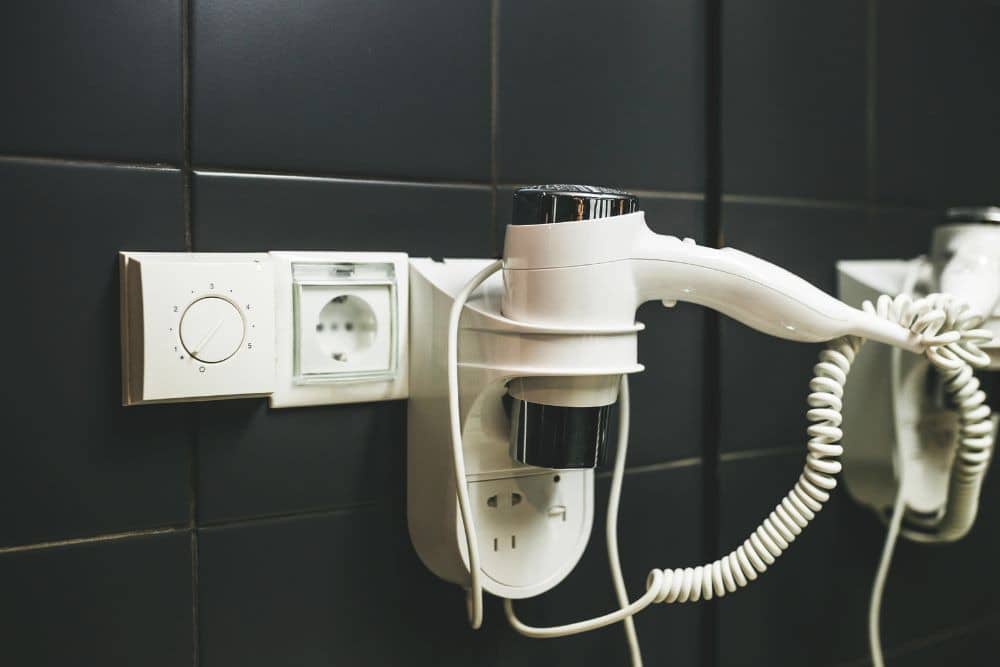
The 2026 changes to Seattle’s electrical code are minimal at best, but their impact cannot be understated. These represent a shift towards modern residential power standards. For bathrooms, this means a transition to resilient infrastructure that anticipates the demands of increasingly smart, tech-integrated spaces.
If you’re starting a bathroom remodeling project this year, you’ll need to comply with these current key bathroom electrical code requirements:
GFCI and AFCI Protection
In high-moisture spaces such as bathrooms, the Seattle Electrical Code requires GFCI-protected outlets. This protects users from electrical shocks or, at worst, electrocution. Such accidents usually occur when the outlet’s conductors come into contact with the bathroom’s wet surfaces while a user is present.
2026 standards also require arc-fault circuit interrupters (AFCI). These are installed on branch circuits supplying outlets and other electrical devices. They prevent arcing in the wiring and serve as protection against electrical fires.
Surge Protection
Current bathroom electrical code requirements include a Type 1 or Type 2 surge protective device (SPD). This prevents sudden voltage spikes that damage sensitive electronics or cause electrical shocks. This safety feature is vital for Seattle bathrooms that incorporate smart technologies, such as humidity sensors and digitally controlled showers.
Dedicated 20-Amp Circuits
The Seattle Electrical Code requires bathroom outlets to have a dedicated 20-Amp circuit. Because bathroom receptacles can experience surges from moisture contact, they are prone to tripping. Isolating their circuit keeps them from disconnecting the rest of the house. While this circuit covers all of the bathroom’s fixtures, it’s still best to have the lighting and ventilation on separate circuits. This ensures continuous operation even if the outlets experience electrical issues.
Mandatory Ventilation
Ventilation is a non-negotiable code requirement, given Seattle’s damp Pacific Northwest climate. The code requires fans to be installed directly over the tub or shower, be GFCI-protected, and be rated for wet zones. The ventilation system should exhaust air out of the house. It should not vent into the attic or crawlspaces, where mold can fester unnoticed.
Switch, Fixture, and Outlet Placement
The 2026 bathroom electrical code subject switches, fixtures, and outlets to the following rules:
- Receptacles must be located within 3 feet of the outer edge of the sink. They must be installed on a wall or a partition adjacent to each basin.
- Outlets should not be face up on the countertop. They may be installed on the vanity side, but no more than 12 inches under the countertop level.
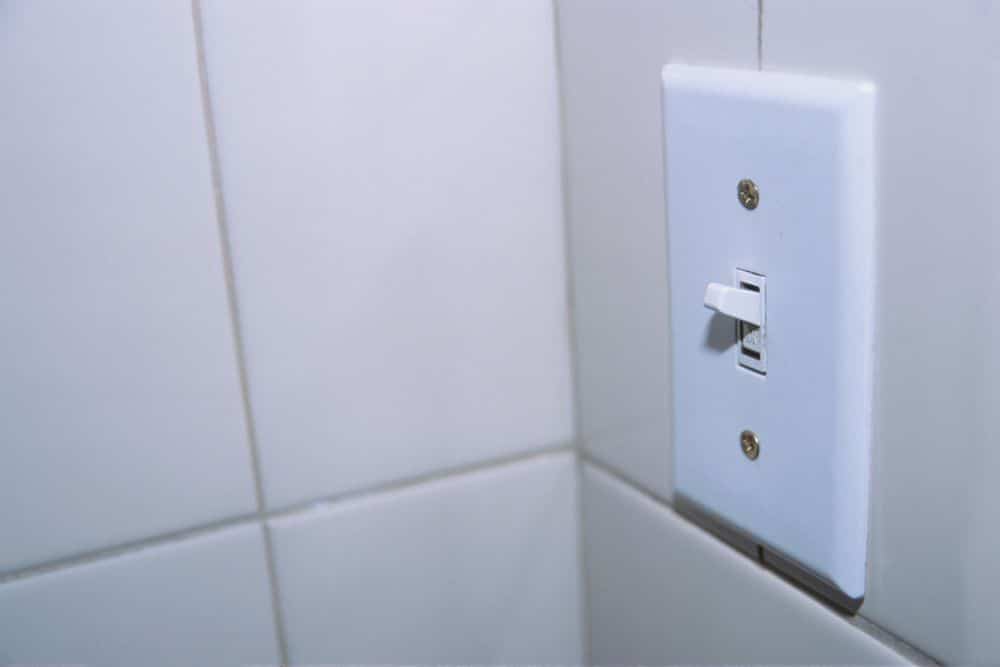
- No switch or outlet should be located in the bathtub or shower space.
- Hanging lighting fixtures, except for those rated for wet locations, should have a clearance of at least 8 feet from the top of the bathtub rim.
Permitting Requirements
The SDCI handles all permitting requirements. This includes the Electrical Permit for all work involving the bathroom’s electrical systems. If the work does not involve any structural update, permits are obtainable over the counter. Otherwise, it will fall under the STFI category, which takes longer to clear. Inspections remain an integral part of the permitting process.
When Do You Need to Update Your Bathroom Electrical Systems?
Now, should you even update your bathroom’s electrical systems? Not if you built it up to code in the past few years, and you are not planning to install high-end electrical upgrades. However, you will need to update your bathroom electricals if it meets any of the following conditions:
- The outlets don’t have GFCI protection, making them an electrical hazard.
- You’re adding high-powered appliances that your current setup cannot handle.
- Your bathroom remodel involves moving fixtures and outlets.
- You’re looking to install electrical fixtures over wet areas.
- You discovered outdated wiring behind the drywall during a remodel or damage repair.
- The bathroom circuit has overload issues. This often shows when the lights flicker while operating certain devices.
Bathroom Electrical Code Compliance Is Not Optional
It’s easy to see complying with Seattle’s electrical codes as a hurdle to realizing your dream bathroom remodel. Make no mistake, though; the rules are written for your safety and not as bureaucratic bloat. Strictly complying with the electrical code is paramount to your bathroom’s long-term integrity and the safety of your household.
BB-Builders Pro can take the stress and effort of bathroom electrical code compliance off your hands. We can help you navigate the complexities of Seattle’s permitting environment and provide the necessary expertise to deliver a bathroom remodel that’s as safe as it is functional. Need a quote? Contact us today.
FAQs
What electrical code does Seattle use?
Seattle uses the 2024 Seattle Electrical Code based on the NEC. As of 2026, the city is transitioning to adopt the NEC’s 2026 version.
Do bathrooms require a dedicated circuit?
Yes, Seattle bathrooms need at least one dedicated 20-Amp circuit for the receptacles. It’s also best to have lighting and ventilation on their dedicated circuits.
Do I need a permit to add an electrical outlet in Washington state?
Yes, you will need an Electrical Permit from SDCI for that matter. As this is a simple upgrade, you may apply for a permit over the counter.