Bathroom remodels can be very unpredictable in Seattle, where the weather hates wood-frame architecture, and the strict building codes can stall your work. Such projects don’t always work within the set budget, and cost overruns are common. Costly issues often show up the moment the hammer meets the drywall, and plans aren’t always as straightforward as they seem.
The hidden costs of bathroom remodeling in Seattle can bloat your budget. Left unmanaged, the surprise expenses will leave you with an overpriced or unfinished remodel. Now, let’s discuss each of these hidden costs and how you can deal with them before they crop up.
Top 6 Hidden Costs of Bathroom Remodeling
Many Seattle homes are old and constantly beset by the city’s damp climate. When moisture builds up in the cracks or joists start falling with age, you’ll inevitably run into at least one of the following:
1. Unexpected Structural and System Repairs
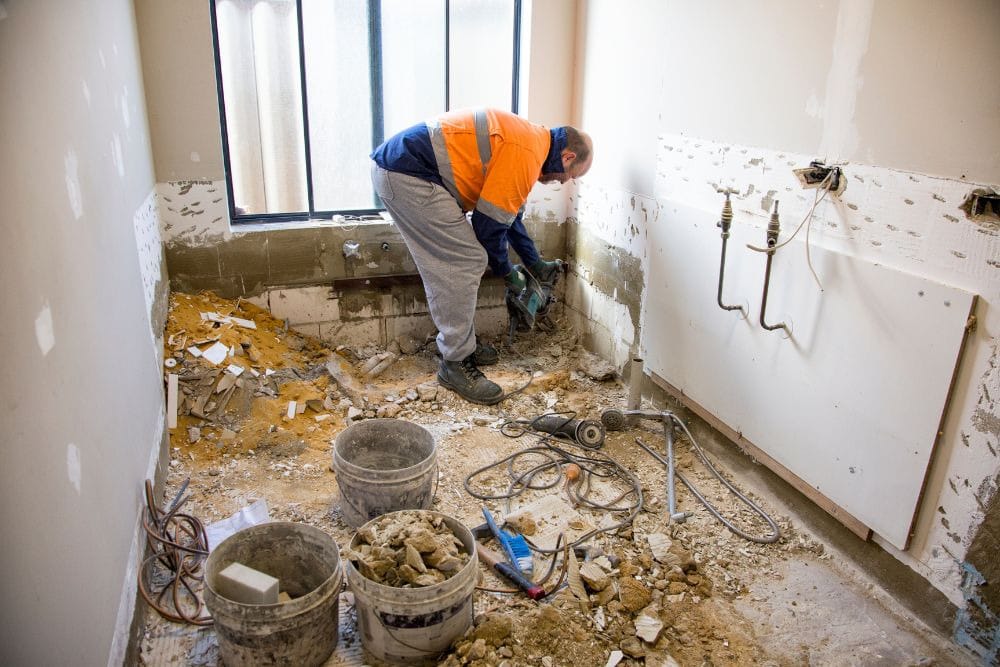
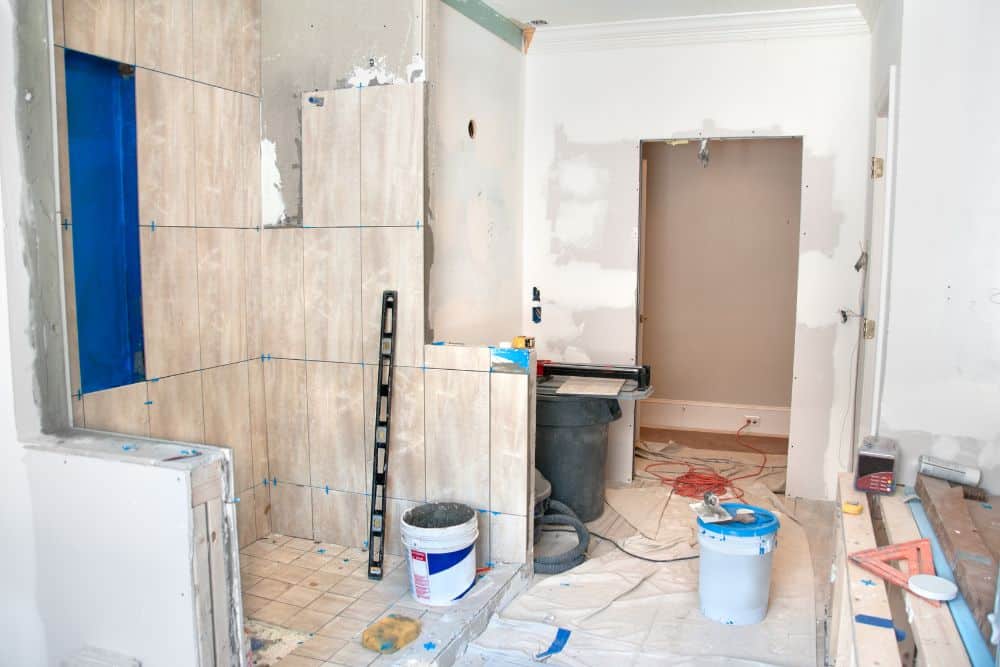
It’s not uncommon for demolitions to reveal complications within the utilities and underlying structure. This is practically the norm in Seattle, where the aging housing stock dominates the real estate scene. These homes were built before the current building codes were established, and tearing down the drywall could reveal the following:
- Old, possibly rusting, galvanized iron pipes and knob-and-tube wiring that doesn’t meet current safety standards.
- Structural damage due to the persistent humidity from the Pacific Northwest climate.
- Foundations that may have settled over time, resulting in uneven joists that may need leveling.
Addressing these hidden issues requires professional intervention. The average costs for each task are as follows:
- Water damage or rot restoration: $5,000
- Plumbing updates: $5,500
- Electrical rewiring: $1,650
- Foundation leveling: $2,500
2. Permits and Inspections
In Seattle, remodeling your bathroom could mean working your way through the city’s strict permitting requirements. If your project involves more than changing the coat of paint, you will need to get a permit from the Seattle Department of Construction and Inspections (SDCI). You will need one of the following permits:
- Subject-to-Field-Inspection (STFI) Permits for small bathroom remodeling projects that don’t require major structural alterations.
- Construction Addition/Alteration Permits for remodels that require significant additions and modifications to the existing bathroom structure.
You can apply for a permit via the Seattle Services Portal. The fees are proportional to the value of your remodel, and cover administrative costs, plan reviews, and inspections. As of 2026, SDCI’s base rate is $292 per hour.
3. Code Compliance Expenses
Permits and inspections enforce the remodel’s code compliance, and it’s the homeowner’s job to follow through on the SDCI’s recommendations. The work mainly includes getting the plumbing, wiring, and ventilation up to current safety and efficiency standards. This is a labor-intensive task that involves rough-ins and mechanical installations, and the average expenses are as follows:
- Plumbing repair and rework: $6,500
- Electrical rewiring: $1,650
- Ventilation fan and ductwork installation: $1,250
- Framing corrections: 2,000
Note that these costs include only those for complying with the corrections recommended by the SDCI inspectors. The permitting and inspection fees are completely separate expenses.
4. Mold Remediation
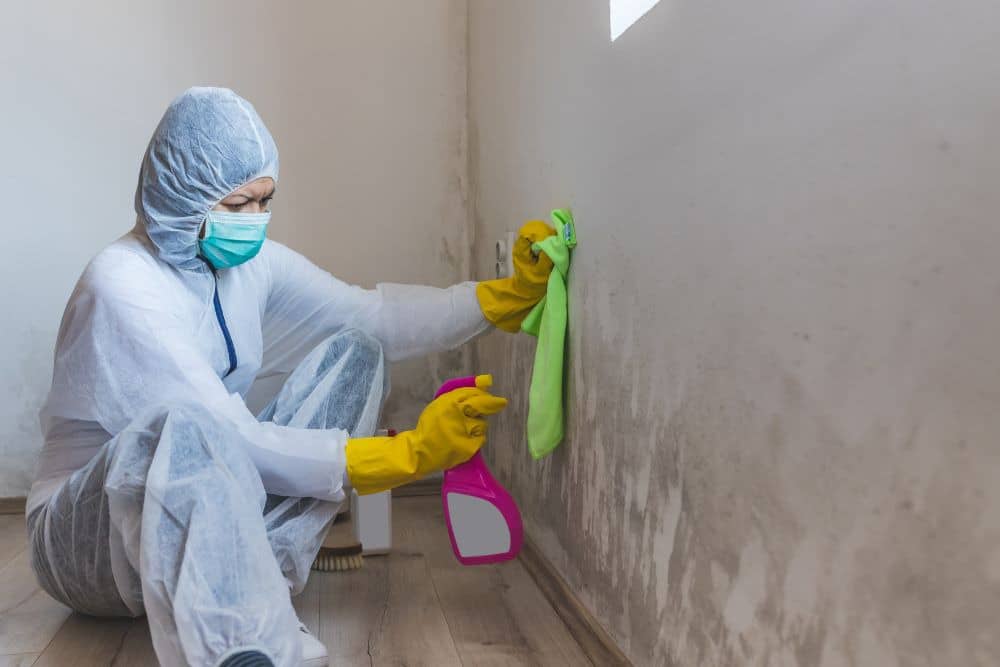
A combination of the Pacific Northwest humidity, poor ventilation, and inadequate waterproofing can create an ideal environment for bathroom mold growth. This can damage the wood-frame structure and pollute the air with allergens. Remediation is a must before the dry walls come back up, and in Seattle, this will cost $2,149.
5. Layout Changes
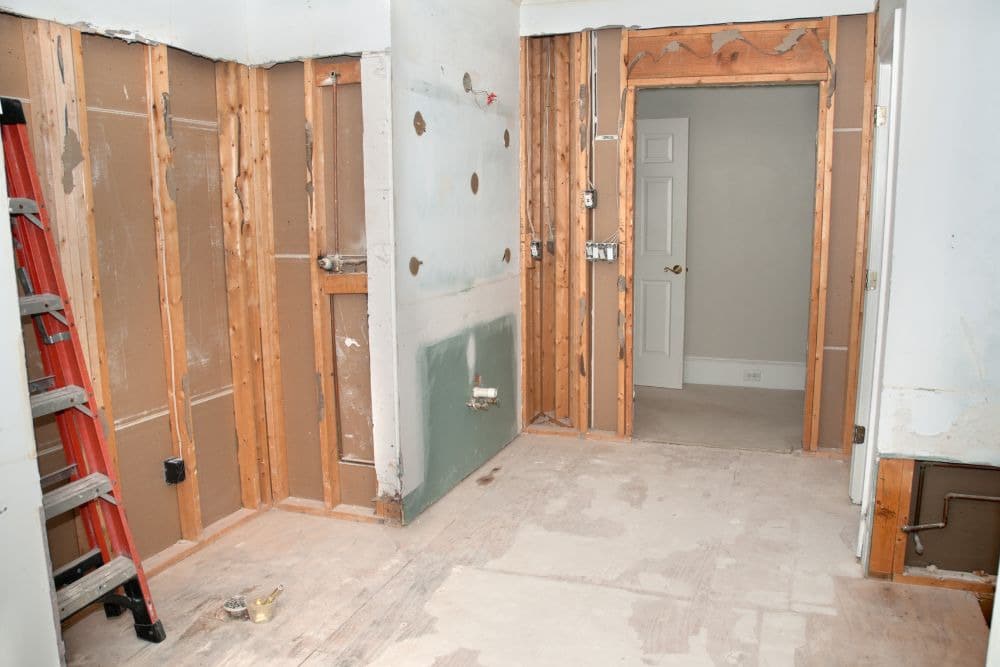
Changing your bathroom’s layout does not simply mean moving things around the space. As you relocate fixtures and drains to work with your vision, you will also have to update the plumbing. You may need to reroute the vent stack, extend supply lines, and add new P-traps. You may also need to update the wiring if the new layout involves moving outlets or lighting fixtures. Naturally, the joists will also need some rework to accommodate these changes. Here are the average costs:
- Shower or tub relocation: $4,250
- Toilet relocation: $3,500
- Vanity or sink relocation: $1,800
- Electrical rerouting: $1,450
- Structural joist modification: $2,200
6. Miscellaneous Contingencies
Accidents and unexpected expenses can hurt your bathroom remodel budget and project timeline. As such, it’s necessary to prepare for such circumstances, even if you have no idea what to expect. Generally, you will need to allocate an amount equal to 15% to 20% of your total project budget as a contingency fund. This will cover everything from unforeseen repairs to administrative adjustments that crop up once your remodel is underway
Tips to Manage Bathroom Remodel Cost Overruns
These hidden costs of bathroom remodeling can bloat the overall project budget. You can keep your finances on track through the following active management strategies that can mitigate the impacts of remodeling surprises:
- Stick to your design. Cost overruns are often caused by changes made after the bathroom remodel has begun. Be sure to finalize everything from the layout to the material choices before you start tearing things down.
- Avoid layout changes. If the budget is tight, you may opt for surface upgrades, fixture replacement, or refinishing instead. This keeps you from spending money on the required plumbing and structural changes.
- Use stock fixtures and standard sizes. Stock fixtures are readily available, minimizing shipping fees, lead times, and contractor downtimes caused by product unavailability. The same is true for using standard-sized materials.
- Buy materials early and in bulk. Early material purchases ensure everything is ready before work begins, allowing your contractor to proceed immediately. Meanwhile, buying them in bulk rather than piecemeal lets you lock in the current pricing and avoid multiple delivery fees.
- Hire an experienced, licensed contractor. Well-experienced contractors licensed to operate in Washington State can help you smoothly navigate the permitting process and efficiently manage your budget. They are also equipped with multiple layers of financial safeguards. This protects you from liability in the event of a workplace accident and ensures you receive what’s agreed upon in the contract.
Don’t Let Hidden Costs Put Your Remodel on Hold
The hidden costs of bathroom remodeling can easily put your project over budget. Active management is key to keeping your project on track, but it’s also crucial to partner with bathroom remodeling experts. BB-Builders Pro has the expertise you need to achieve your vision while keeping your project’s finances in check. We don’t cut corners or compromise on quality; it’s all about efficient management and best industry practices. Call us and get your free quote.
FAQs
How can I reduce the cost of remodeling a bathroom?
The best way to reduce bathroom remodeling costs is to stick to surface-level modifications, maintain the same layout, and minimize work on the rough-ins. By doing so, you minimize the labor, material expenses, and required professional services, which comprise the bulk of your budget.
Does Medicare really pay for bathroom remodels?
Medicare Parts A and B do not pay for bathroom remodels. However, Part C may cover some bathroom safety devices, such as grab bars and shower chairs.