There are two smart ways to address Seattle’s housing demand. One is converting a part of your home into an ADU, and the other is building a separate living unit called a DADU. There’s more than just a one-letter difference between these two concepts. There are functional differences, and making your choice means balancing your budget, needs, and goals. Let’s break down the definitions and key distinctions, and see where you stand in the ADU vs. DADU debate.
Accessory Dwelling Unit (ADU)
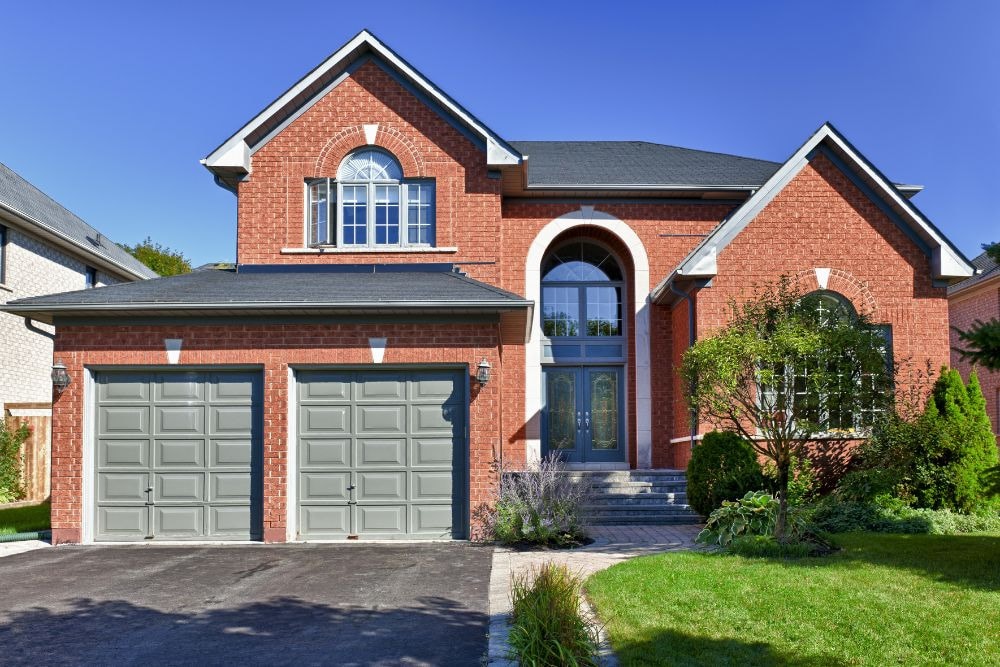
Think of a house within a house—that’s the accessory dwelling unit, or the ADU, in a nutshell. While it is built into the same structure as the rest of the home, it is a self-contained living space. The ADU is usually repurposed from spaces no longer in use, such as an old garage or a master bedroom. It often comes with its own utilities and all the features you’d expect from a complete house, including a kitchen, bathroom, and sleeping quarters.
One of the major benefits of building an ADU is that it makes use of the existing space. In Seattle’s dense urban villages, where extra yard space is a luxury, this is an ideal way to maximize a house’s functionality and value. It also efficiently addresses the city’s housing shortage, especially for relatives who are unable to find a home in the Emerald City.
The only real drawback of an ADU is that it eats up existing living space. This should not be an issue for large or downsized homes, but it can be a dealbreaker for growing families. Additionally, the conversion merely reclassifies the space’s use. It does not increase your property’s value, although it can give you a potential source of income from your existing space.
Putting a part of the home up for rent is indeed one of the biggest reasons why Seattle homeowners choose to build an ADU. The construction is cost-effective, enabling them to quickly break even on their investment. However, its best use is as a dwelling for people looking to age in place or for grown-up children transitioning to an independent life. This gives them a degree of privacy while being close to their family.
Detached Accessory Dwelling Unit (DADU)
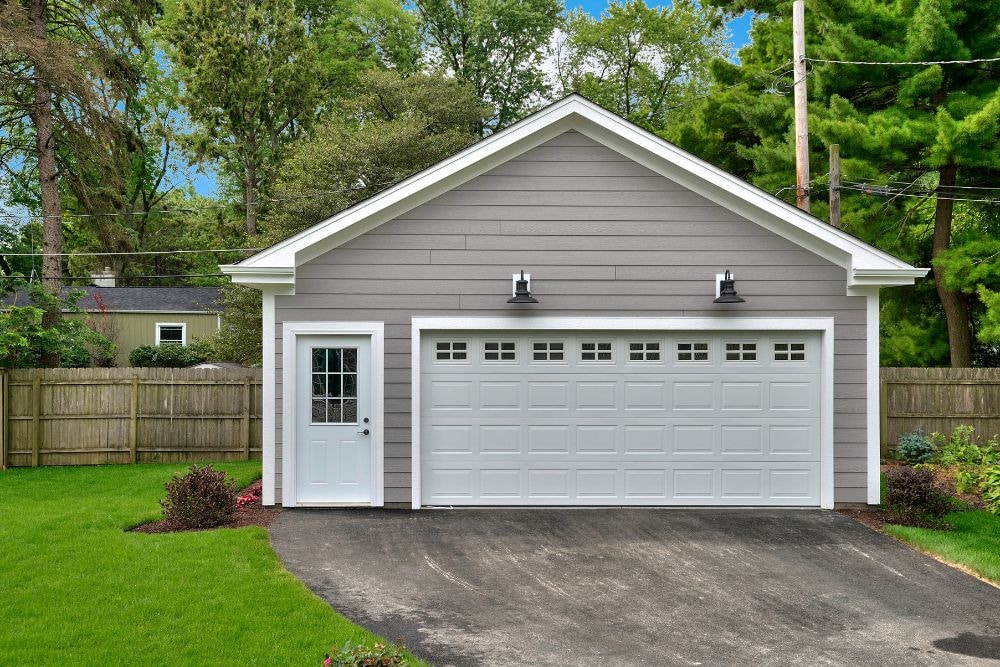
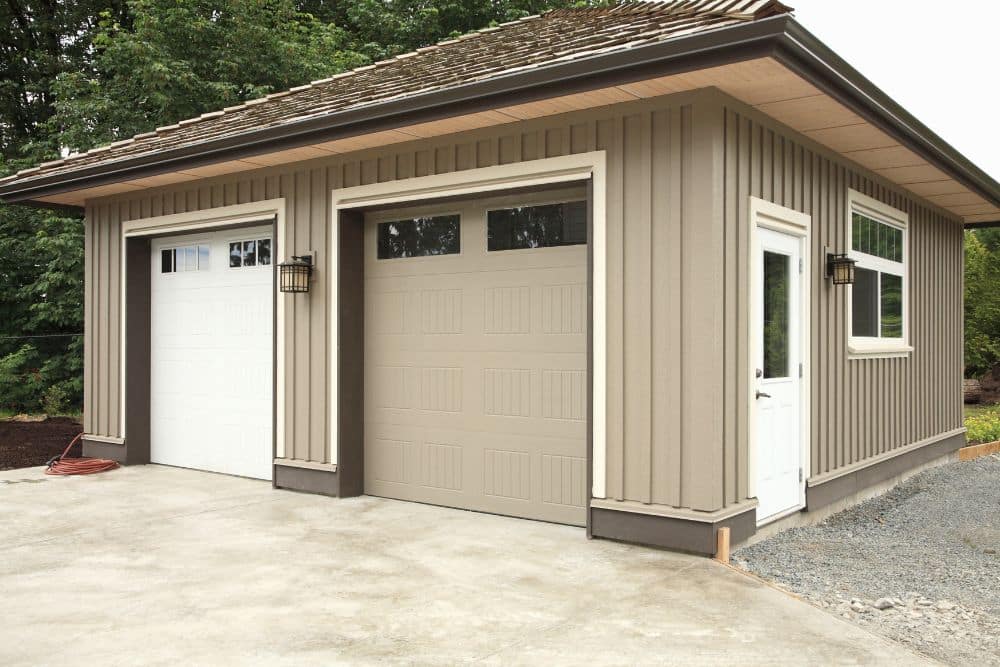
The D in the DADU—or detached accessory dwelling unit—is the very thing that sets it apart from its shorter-acronymed counterpart. Detached means the unit is built separately from the main house, but remains well within the homeowner’s property.
The detached setup also makes the DADU an attractive option for building additional housing for relatives or tenants. The physical separation gives both the primary residents and DADU occupants a high level of privacy. Barring rigid house rules, this configuration also gives both parties complete control over their own domestic affairs.
However, DADU construction can be expensive. From securing permits for a new structure to practically building a second house, a DADU project can easily set you back by six digits. Also, while the DADU does not eat into your main house, it still leaves a large footprint in your yard. Seattle is not suburban Sammamish, and the limited outdoor spaces in most neighborhoods make this an issue.
In any case, as an independent space, a DADU can be more than just a rental. As an independent unit, it allows for greater freedom of use. Occupants can use the DADU for any practical purpose—for example, as a music studio or a workshop—without incurring unnecessary friction with the primary residents.
What Is the Difference Between a DADU and an ADU?
Technical definitions will only take us so far. To better understand the difference between ADU vs. DADU, let’s look at how they compare side-by-side. We’ll be using five Ps: placement, privacy, price, property value, and purpose.
Placement
Let’s start with the obvious: an ADU is built into a house, while a DADU is an entirely separate building. As mentioned earlier, ADUs are existing spaces repurposed into self-contained living spaces. Meanwhile, a DADU is completely detached from the main home. It is usually smaller than the main building, and often referred to as a cottage.
Privacy
Shared infrastructure can compromise the privacy of ADU occupants. Even with proper soundproofing, they may still be heard in adjacent rooms. Meanwhile, a shared entrance may result in awkward interactions with the primary residents. This is not a problem with DADUs. Complete privacy is possible because it is a separate structure. Price
Property Value
An ADU increases the property’s value by adding to the finished square footage of the primary residence. While this makes it attractive to multi-generational buyers, it only adds between 10% to 20% to the home’s value. On the other hand, a DADU can add up to 30% to the property value, delivering a higher ROI. Appraisers see this as a second house and consider it an asset, while they tend to view the ADU as an amenity.
Price
Building an ADU could cost as much as an extensive home remodel, typically starting at around $80,000. A DADU is a new construction, so it usually costs much more than an ADU. On average, a DADU costs between $150,000 and $400,000.
Purpose
The ADU primarily serves as a low-cost housing unit built into the existing residential structure. It can house aging parents or adult children transitioning to independence; it can also be repurposed as a home office. The DADU serves a similar purpose, though its private, detached nature allows greater freedom in use. It can host art or music studios or can serve as a quiet retreat.
ADU Vs. DADU: Which One’s the Better Choice?
Deciding where you stand in the ADU vs. DADU debate involves understanding which choice fits your needs and financial realities. You will need to weigh the following factors crucial to all residential development:
- Property limitations. A DADU could work in properties with large outdoor spaces. For homes in dense neighborhoods like Ballard, an ADU is your best choice.
- Budget. An ADU is basically a remodel project and costs less than a DADU, which is a full-fledged construction project.
- Intended use. An ADU is perfect for home offices, aging in place, or as a transitional residence for adult children. This is unlike a DADU, which can serve various purposes.
- Legal considerations. You can legally sell a DADU as an independent housing unit. Meanwhile, ADUs are permanently tied to the primary residence’s title and are legally part of the house.
- Permitting requirements. As a remodel project, an ADU may only require remodel permits from the Seattle Department of Construction & Inspections (SDCI), while a DADU will require a complete permit cycle for new construction.
Settling the ADU Vs. DADU Debate
To sum up, an ADU is for families with limited budgets and yard spaces who prioritize working from home or caring for aging loved ones. On the other hand, a DADU is a full-on real estate investment that boosts property value as an independent structure. Your choice ultimately depends on your requirements and limitations.
In any case, it pays to get expert help for your DADU or ADU construction. BB-Builders Pro has the expertise and experience to get you through Seattle’s permitting maze and see your project through from start to finish. Call us now, and learn how we can bring your vision to life.
FAQs
Is it cheaper to build an ADU or buy a prefab?
Prefab modules are cheaper off the market, but come with hidden costs that eventually make them more expensive than an ADU.
What is one drawback of an ADU?
One major drawback of an ADU is the lack of absolute privacy. Even with proper soundproofing, muffled noises from other residents can disrupt the peace and quiet.
How much does a DADU cost in Seattle?
On average, a DADU in Seattle costs between $150,000 and $400,000. This considers the permitting costs, complexity of the construction, and the labor involved, among others.