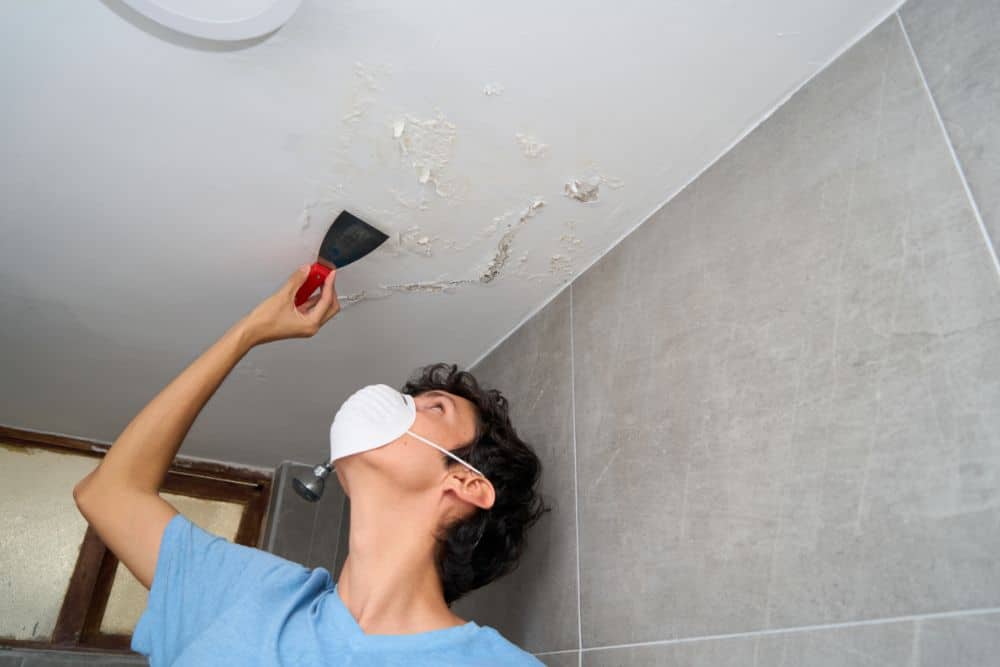
Cloudy skies, damp weather, and frequent rains sum up Seattle’s gloomy climate. All these add up to rapid moisture build up—a challenge local homes have to endure each day. Choosing the right material is crucial, especially in bathrooms which are most vulnerable to moisture damage. Material choice matters most during a bathroom remodel in Seattle, when the walls are open and you can fix the cause rather than the symptom.
That said, let’s discuss how Seattle’s moisture affects bathroom material choices. We will focus on waterproofing and moisture-resistant materials, which are vital to helping the bathroom weather the challenges of the Pacific Northwest climate.
How the Pacific Northwest Moisture Affects Bathroom Material Options
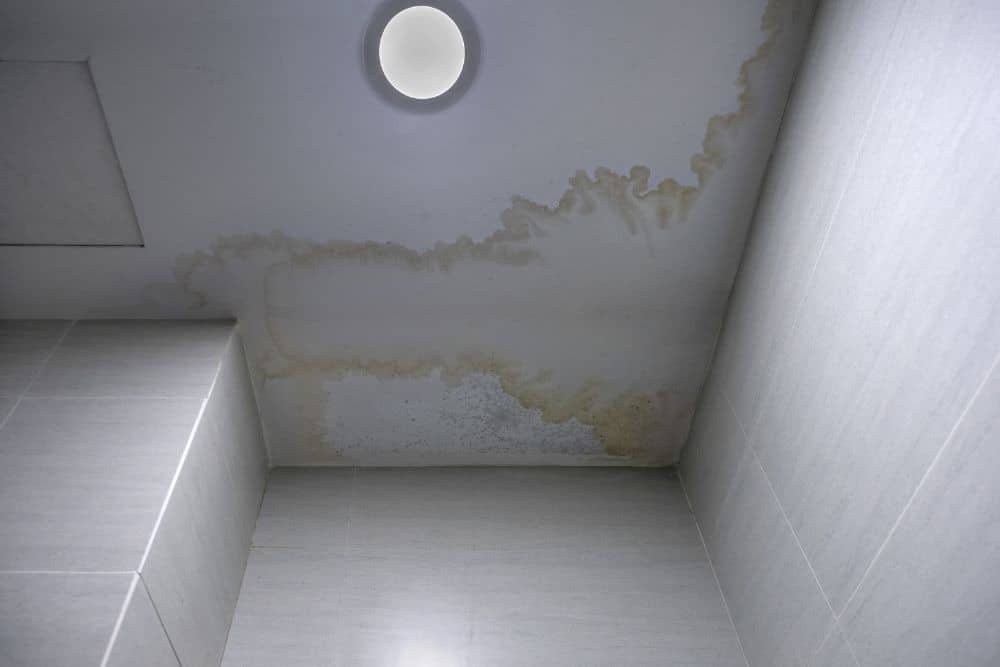
The Pacific Northwest climate is best known for its mild winters and frequent cloudy, rainy weather, which takes a break during the dry summer. In Seattle, where homes are built with the characteristically American wood-frame construction, this poses a serious challenge. Moisture affects bathroom material without proper mitigation. This, in turn, allows for moisture buildup that attracts insects, molds, and mildew, causing the structure to rot.
Much of the moisture mitigation effort goes to the bathroom, the space that’s most vulnerable to water damage. Constructing or remodeling a bathroom involves a careful choice of material, prioritizing moisture resistance and protection of the underlying structure. That all said, here’s a detailed checklist of materials that will work for Seattle bathrooms.
Furniture (Cabinetry and Vanities)
Furniture like cabinets and vanities are a staple of Seattle bathrooms. They are especially vulnerable to moisture damage. They should be made with materials that can survive the double-whammy of Seattle’s damp climate and the bathroom’s humid environment.
- Marine-grade plywood. BS 1088 is an ideal choice for bathroom furniture. This is due to its high moisture resistance, long-lasting waterproofing, and the absence of void cores.
- Birch plywood. If you’re looking for a more natural look, birch is a stable alternative to marine-grade plywood. It will require proper sealing and finishing to improve its moisture resistance.
- Moisture resistant medium density fibreboard (MR MDF). MR MDF is versatile and allows for limitless customization, making it ideal for bespoke bathroom furniture.
- Thermofoil. Thermofoil consists of an MDF core protected by a solid vinyl exterior. Its water-resistant construction makes it suitable for bathroom cabinetry and vanities.
- Quartz. For countertops, quartz is your most cost-efficient and long-lasting option. This highly water-resistant material balances beauty and durability, making it superior to wood and natural stone.
Flooring
The shower floor is the bathroom’s most water-intensive surface, followed by the surrounding floor tiles. As such, the entire floor requires the most durable waterproofing.
- Slip-resistant porcelain tiles. Porcelain is an inexpensive non-porous material that works great in bathroom floors. Pick porcelain tiles with an R11 rating or wet dynamic coefficient of friction (DCOF) of at least 0.42 for maximum slip-proofing.
- Large-format ceramic tiles. Ceramic is more porous than porcelain, but still provides excellent waterproofing. Choose large-format, slip-resistant options to cut maintenance work. Large format tiles create fewer grout lines. These lines tend to absorb water and harbor mildew, requiring frequent cleaning.
- Vynil or linoleum flooring. For flooring outside the shower and its immediate surroundings, you may go with vinyl or linoleum laminate. They offer decent waterproofing and flexible installation, allowing for a high degree of customization.
Walls and Ceiling
Your bathroom’s walls could benefit from serious waterproofing to protect the underlying wood frame. For wet baths, you will need to extend this protection to the ceiling. Feel free with your choice of finish; it’s more important to prioritize a solid, waterproof sublayer.
- Cement backer board. The cement backer board mounts directly to the studs. It is the ideal wall material for shower areas, as they do not disintegrate when they get in contact with water.
- Greenboard. Greenboards are basically water-resistant dry walls. However, they tend to deteriorate when water seeps into the grout, making them more suitable for the bathroom’s drier areas.
- Waterproofing membrane. The waterproofing membrane is an additional layer of waterproofing applied directly to the cement board or greenboard. It serves as a watertight seal that prepares the surface for tiling.
- Water-resistant paint. If you’re not tiling the greenboard, a layer of paint should be enough protection. Choose acrylic or epoxy paints with a satin or semigloss sheen to maximize resistance to moisture, stains, and mildew.
Shower Enclosure
The shower area is the wettest part of the bathroom. As such, care must be taken to prevent water from splashing or spilling onto less protected areas. This is why a partition encloses the shower. The material should keep the water within the bathing space and flowing straight into the drain.
- Acrylic. Acrylic panels are inexpensive, non-porous, and easy to install. This makes them ideal for budget-friendly remodels.
- Fiberglass. Polyester resin interwoven with glass fibers and finished with a gel coating make up this low-cost material. It is the cheapest option for shower enclosures, and is more susceptible to surface-level wear than acrylic.
- Glass. Tempered glass creates a better sense of space and offers many opportunities for customization. However, it requires more frequent maintenance to prevent hard water spots that could ruin the aesthetic.
Materials to Avoid
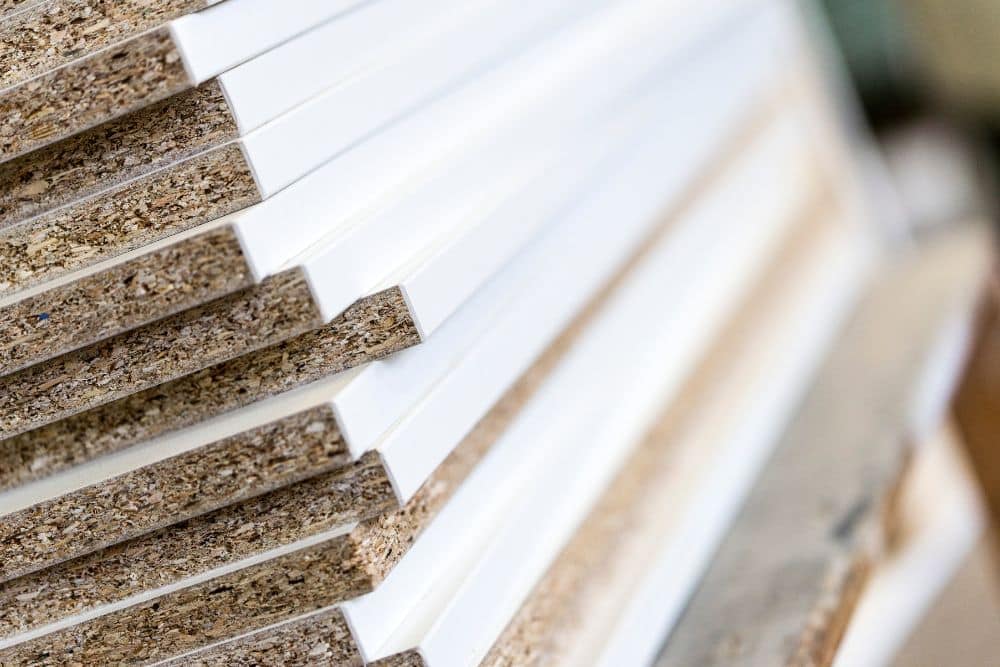
Seattle’s moisture affects bathroom material integrity, so it pays to learn what to avoid for a more enduring remodel. In general, these are porous materials that absorb water and leach moisture into the frame and sublayer. In particular, you will want to avoid incorporating the following into your bathroom:
- Standard MDF. Unlike its moisture-resistant version, the standard MDF board is susceptible to swelling when exposed to water or humid air. At that state, it deforms and buckles under weight. This weakens the structure it is mounted on and transferring excess moisture to the underlying frames.
- Particle board. Generic particle boards perform worse than standard MDF in damp environments. They can soak up moisture and keep the water in almost permanently, causing them to sag and fall off. At worst, moisture can build up within particle boards unnoticed, creating ideal conditions for mold growth.
- Hardwood flooring. Hardwood may be strong and resilient, but they don’t belong in bathroom floors. Wood gains or loses water to match the environment, which is not ideal in the humid Seattle climate. They also form large seams that expose the sublayer to water.
Non-Material Considerations For Seattle Bathrooms
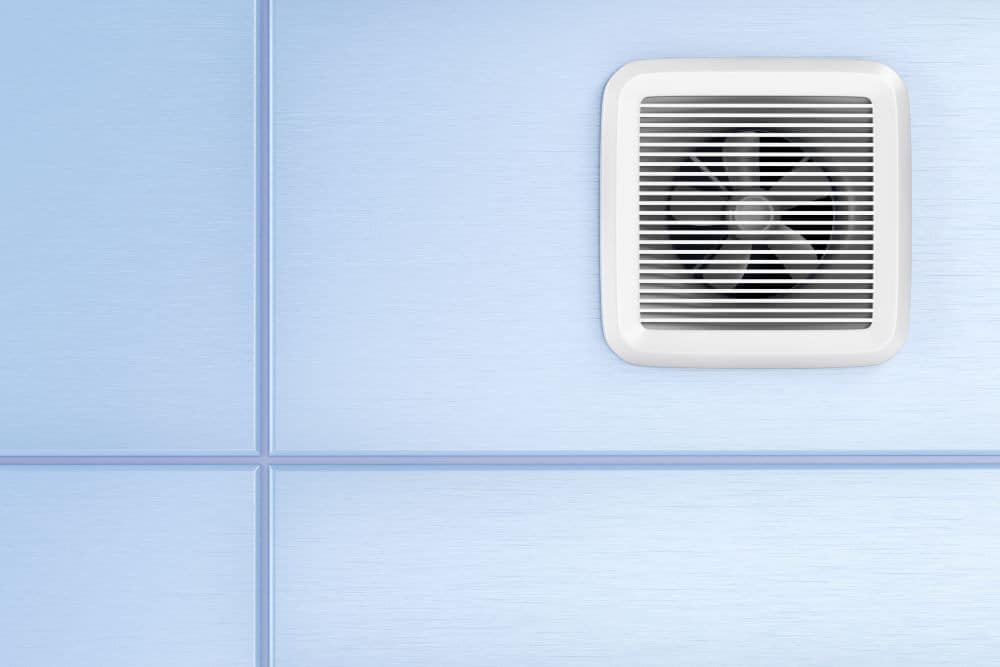
The choice of material alone won’t suffice in keeping the typical Seattle bathroom dry and comfortable. It should be matched with proper ventilation. As per the Seattle Mechanical Code, should be able to expel at least 50 cubic feet per minute (CFM) of humid air during intermittent operation, or a minimum of 20 CFM when running continuously. The air should be discharged outside of the house and not into the ceiling or crawlspaces to prevent moisture buildup.
The surfaces will also require regular cleaning and maintenance. Consistent cleaning prevents mineral buildup that could encourage mildew growth. Grout lines will need resealing every year or two. Meanwhile, shower enclosures need frequent squeegeeing to prevent cloudiness from hard water buildup.
Protect Your Bathroom With the Right Material Choices
Choosing the right material for your bathroom is key to ensuring the longevity of your space and avoiding costly maintenance woes. In a climate as damp as Seattle’s, this makes the difference between an enduring spa-like retreat and a structural liability.
BB-Builders Pro’s bathroom remodeling experts can help you match your remodel with the best materials that work within your budget. Our network of suppliers ensure access to high-quality, moisture resistant options. Meanwhile, our expert team streamlines the selection process so you don’t have to deal with the headache. Get a quote from us today.
FAQs
How to deal with excessive moisture in a bathroom?
Ventilation can pump excess moisture out of your bathroom. For the best results, ensure that your vent works as required in the Seattle Mechanical Code. Intermittent ventilation should expel a minimum of 50 CFM of air, while continuously operating systems should pump out 20 CFM.
Is mold a big problem in Seattle?
Mold is a major problem in Seattle homes. They proliferate mainly due to the city’s humid climate, which causes moisture to build up in dark, damp spaces like the bathroom, creating an ideal environment for molds to grow.
How to prevent mold in Seattle?
To prevent mold growth in Seattle, ensure proper ventilation of damp areas like the bathroom. Remodeling with water-resistant materials will also help protect your home’s structure from mold infestation.