Bathroom remodeling is not always a smooth-sailing process. Remodelers sometimes mess up, delaying the project or setting them back to square one. But, of course, someone’s error is always somebody else’s learning opportunity Here are eight bathroom remodeling mistakes that you should avoid to save resources and finish your remodel on schedule.
What Are Common Bathroom Remodeling Mistakes?
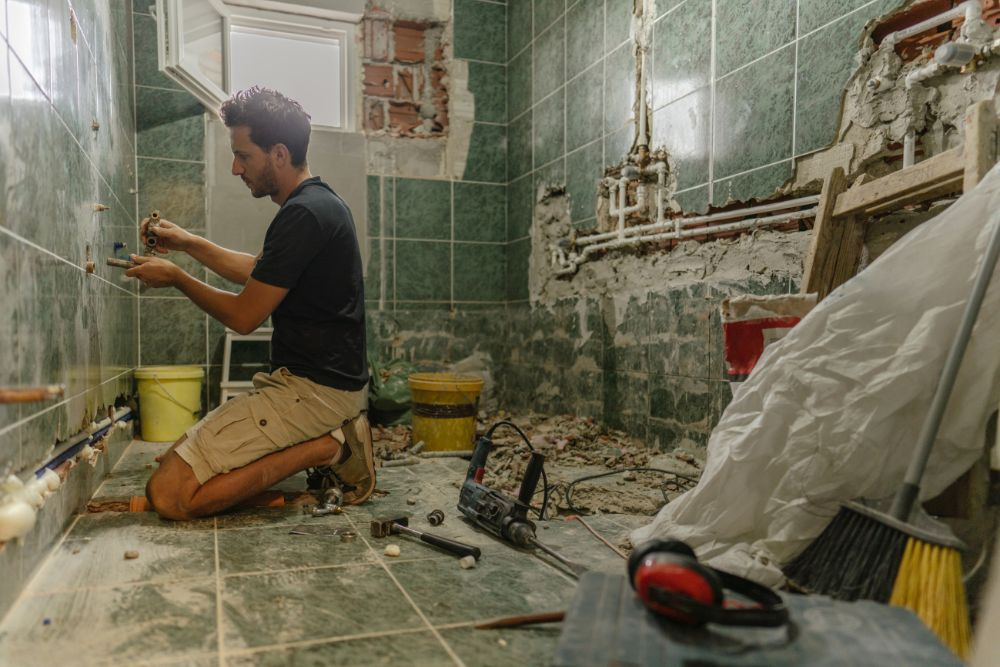
It can be very easy to commit errors during bathroom remodeling when you go the DIY route. Most of the time, missing a few steps can cause mere inconvenience and short delays. However, the following errors can seriously impact your project, causing significant setbacks and unnecessary expenses.
1. Lack of Plan
A bathroom remodel can quickly fall apart without a clear plan. This is why before you jump into a remodel project, here are some questions you need to answer:
- What is your budget? This includes the cost of materials, labor, and professional services. You should also add 15% to 20% of the budget as buffer for emergencies.
- What do you require from the space? Identify your must-haves and specific user requirements.
- What is the extent of the modification? Determine whether you need to expand the space or relocate plumbing, ventilation, and electrical wiring.
- Who are the primary users? Children, adults, seniors, and people with special needs have different requirements that should be addressed in your remodel.
- Will your current utilities work with your remodel’s needs? Know whether or not you need to update your plumbing, ventilation, and electrical network to accommodate the changes from your remodel.
- What is your timeline? Define a timeframe for your project that considers waiting periods and unexpected events.
- Do you have alternative hygiene options during the remodel? If you don’t have a second bathroom, you need to find ways to maintain hygienic routines.
2. Ignoring Permits
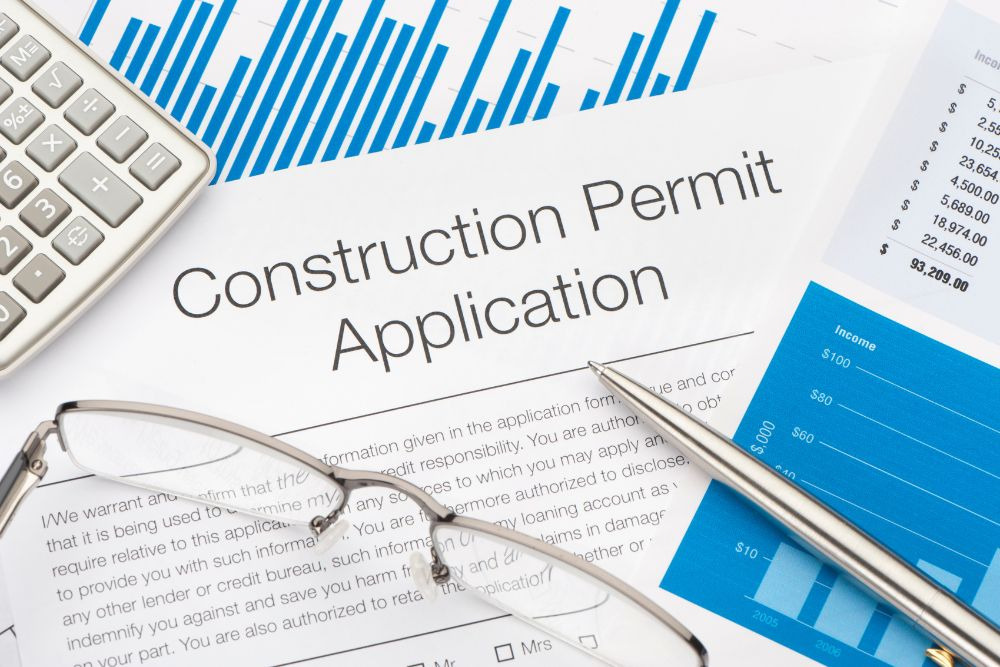
You may need to obtain a permit before proceeding with your remodel. Permits ensure compliance with local building codes, which are designed to ensure all construction projects are completed safely. Skipping the paperwork risks safety hazards during and after the renovation, complications with future resale, and insurance denials for damage caused by unpermitted work.
3. Poor Layout
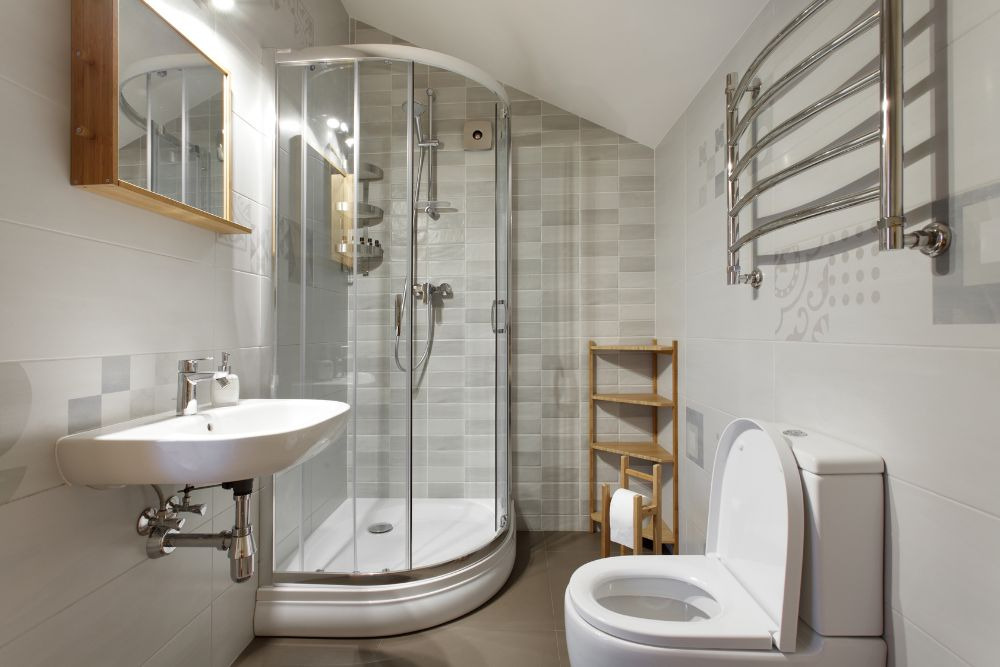
Poorly laid out remodels are a common DIYer mistake with real consequences. Awkward fixture placements can cause accidents and make the space feel cramped. Bathroom remodel plans should be well thought out and use the space as efficiently as possible.
4. Insufficient Storage
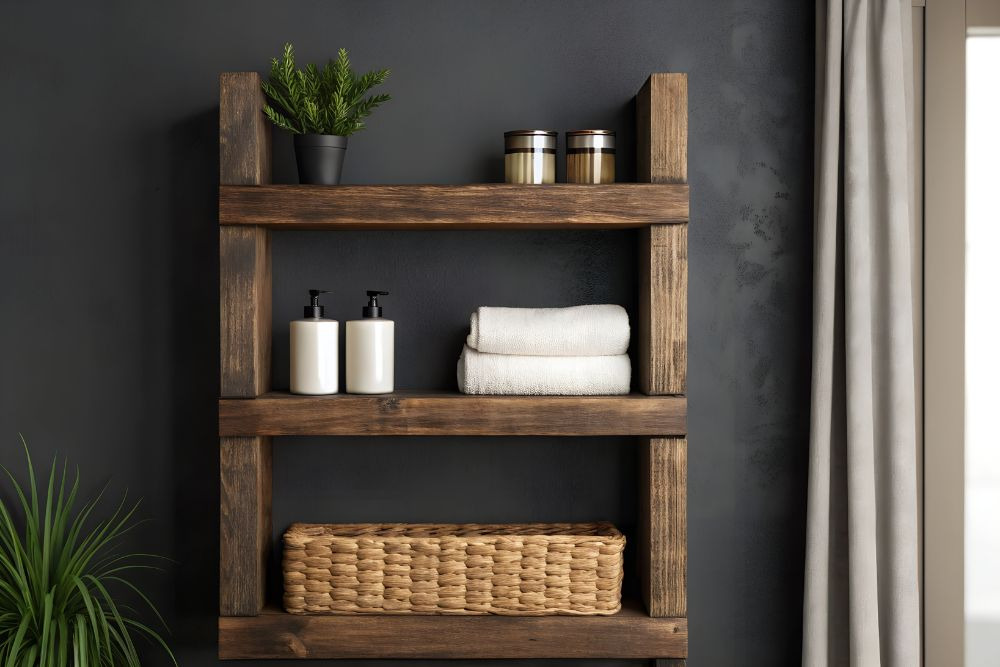
The lack of sufficient storage is one of the most common bathroom remodeling mistakes. This may be due to poor cabinet selection or failure to account for each user’s bathroom logistics. When there’s not enough cabinet and drawer space, the countertop gets the brunt of the clutter. You should consider your household members’ daily bathroom habits when planning your remodel. You should also take advantage of underused spaces, such as corners and vacant walls.
5. Bad Lighting

Poor decisions involving light fixtures can result in insufficient illumination or harsh lighting. Either way, bad lighting increases the risks of bathroom accidents and makes focused tasks like grooming difficult. To avoid this pitfall, consider layered lighting that includes the following:
- Task lighting. These are placed over areas where you do your bathroom routines, such as the shower area and mirror.
- Ambient lighting. Usually recessed, this provides general lighting over the room and should be rated for safety in wet and damp environments.
- Accent lighting. These lights highlight your bathroom’s features, help eliminate shadows, and provide dim lighting for nighttime use.
6. Style Over Function
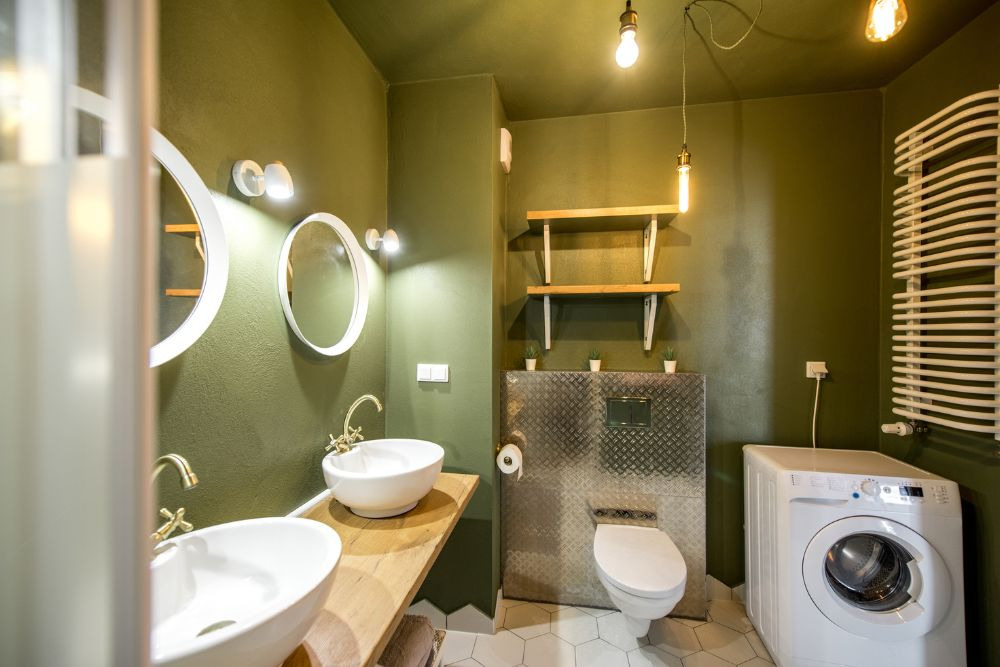
Form should always follow function, but turning this concept upside down is one of the most common bathroom remodeling mistakes. Making material and layout choices based purely on aesthetics risks long-term damage leading to costly repairs. Consider finishes that withstand the bathroom’s high-moisture environment, and ensure your layout supports actual workflows.
7. Skimping on Materials
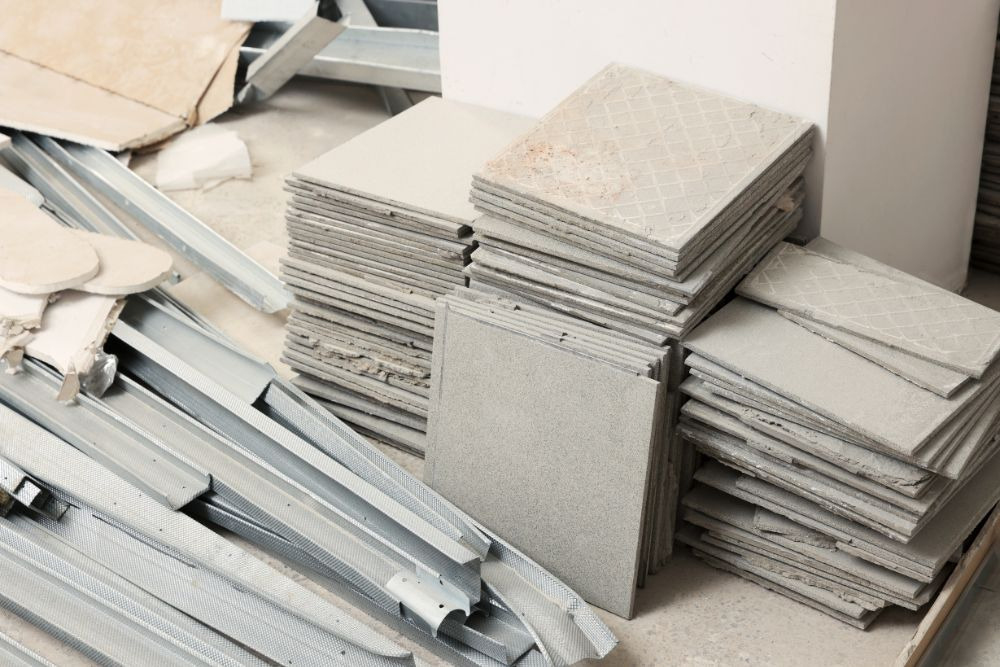
Homeowners can be tight with their bathroom remodeling budgets and sometimes go for cheap materials. You get what you pay for in this line of work. You’re not saving money on inexpensive plumbing and the like; you’re setting yourself up for premature failures and future emergency repairs.
8. Inadequate Ventilation
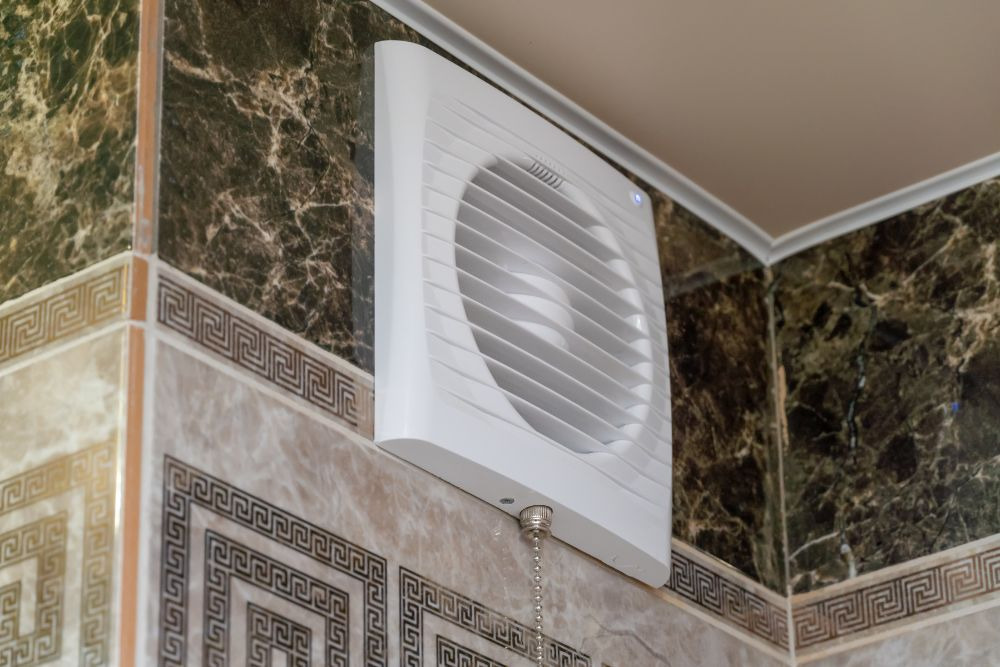
Bathroom remodelers sometimes leave the bathroom ventilation unchanged, even when significantly expanding the bathroom. This results in inadequate airflow, compromising the space’s cabinetry and structure because excess moisture is not properly vented. When adding more floor space to your bathroom, you should also calculate the added volume and upgrade your ventilation fans accordingly.
Don’t Do Your Bathroom Remodel By Yourself
Bathroom remodeling mistakes are very expensive to fix. It’s always best to leave the work to a professional bathroom remodeling company. With the right skills, the best tools, and years of experience, they can seamlessly upgrade your bathroom, saving you from the headache of dealing with the consequences of your missteps.
FAQs
What is the 30% rule in remodeling?
The 30% rule suggests that you set no more than 30% of your total home value for any remodeling project. This guideline can help you keep you from spending more than what you can recover from the eventual resale of your property.
What not to do when remodeling a bathroom?
To ensure that you avoid committing the common bathroom renovation mistakes we’ve detailed in this article, you should steer clear of the following pitfalls:
- Not having a clear plan.
- Not having a well-defined budget.
- Not understanding local building codes and permitting requirements.
- Neglecting the essentials, especially storage and ventilation.
- Prioritizing cost over quality.
- Doing complex bathroom remodeling tasks by yourself.
When remodeling, what should you do first?
Planning is the first thing that you should do before you jump into a remodel project. This is where you outline your vision, define your remodel goals, set the project scope, and establish your budget. This is also the most important step; without a solid plan, you end up with a remodel that feels disjointed and incomplete.
What is the hardest part of renovating a bathroom?
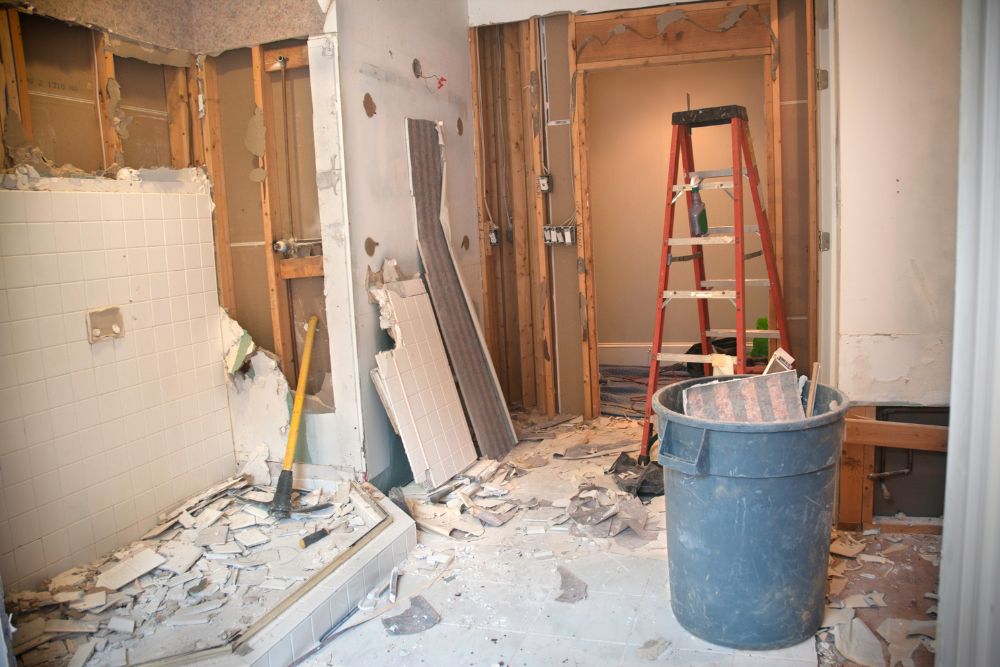
The most difficult part of a bathroom renovation is any work that goes beyond the surface. This would involve some demolition and work on the plumbing, electrical wiring, and concealed ductwork. The work often requires multiple specialized contractors, and coordinating their schedules can be a logistical challenge.