Small bathrooms are common in urban Seattle homes. They may be small, but they have great potential for stylish makeovers if one can look beyond the limited space. The verticals, corners, and even the paint job can make the cramped area feel much larger.
Without a doubt, such remodeling work requires a bit of creativity. Spark your own with these 10 wonderful remodeling bathroom ideas for small bathrooms:
1. Frameless Shower Doors
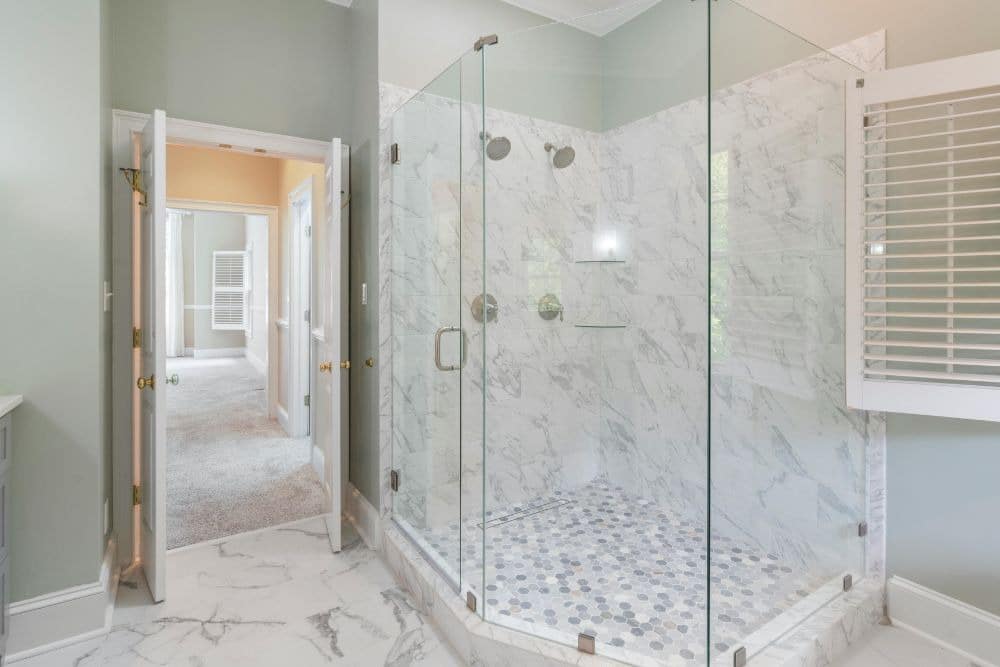
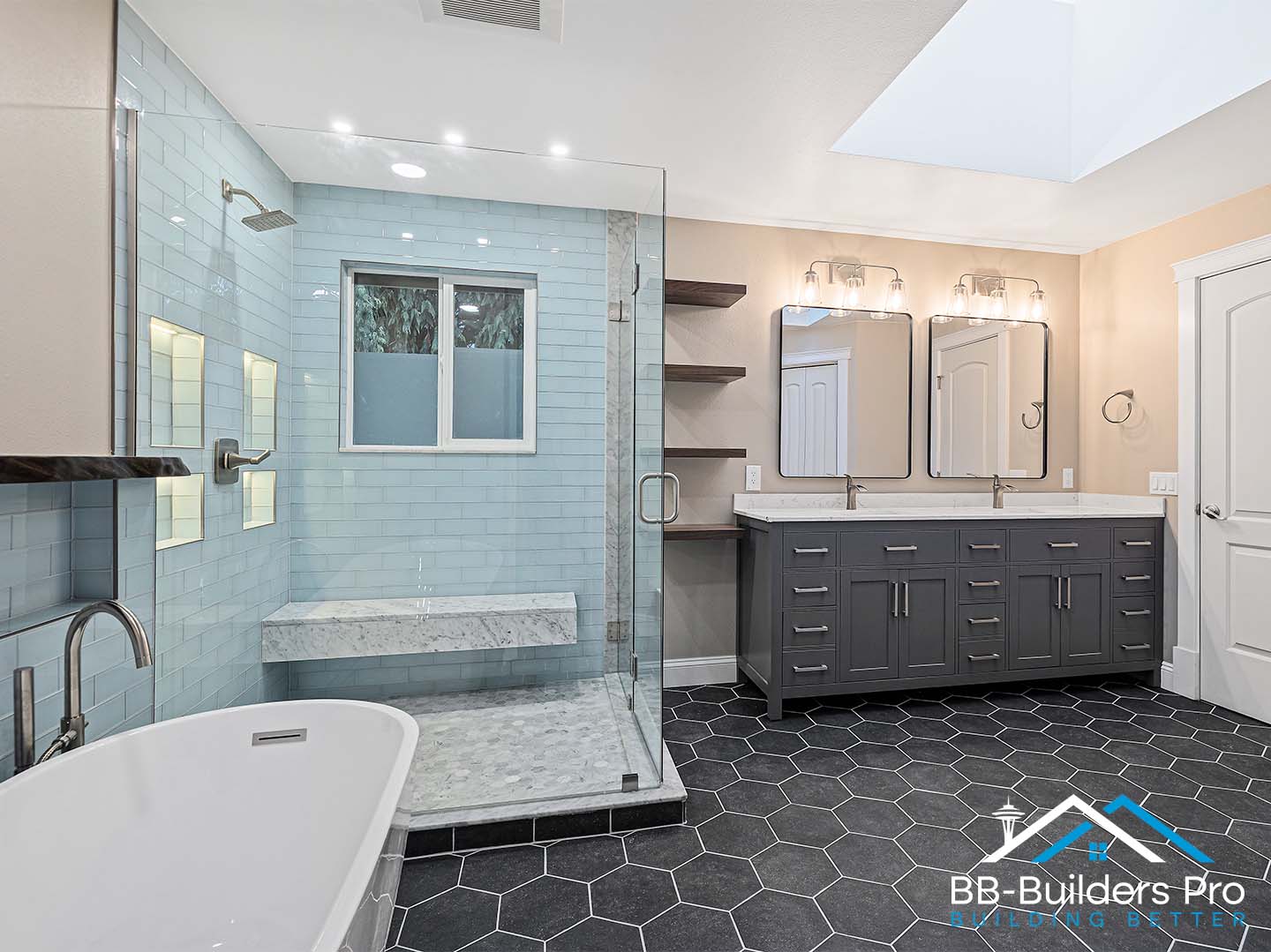
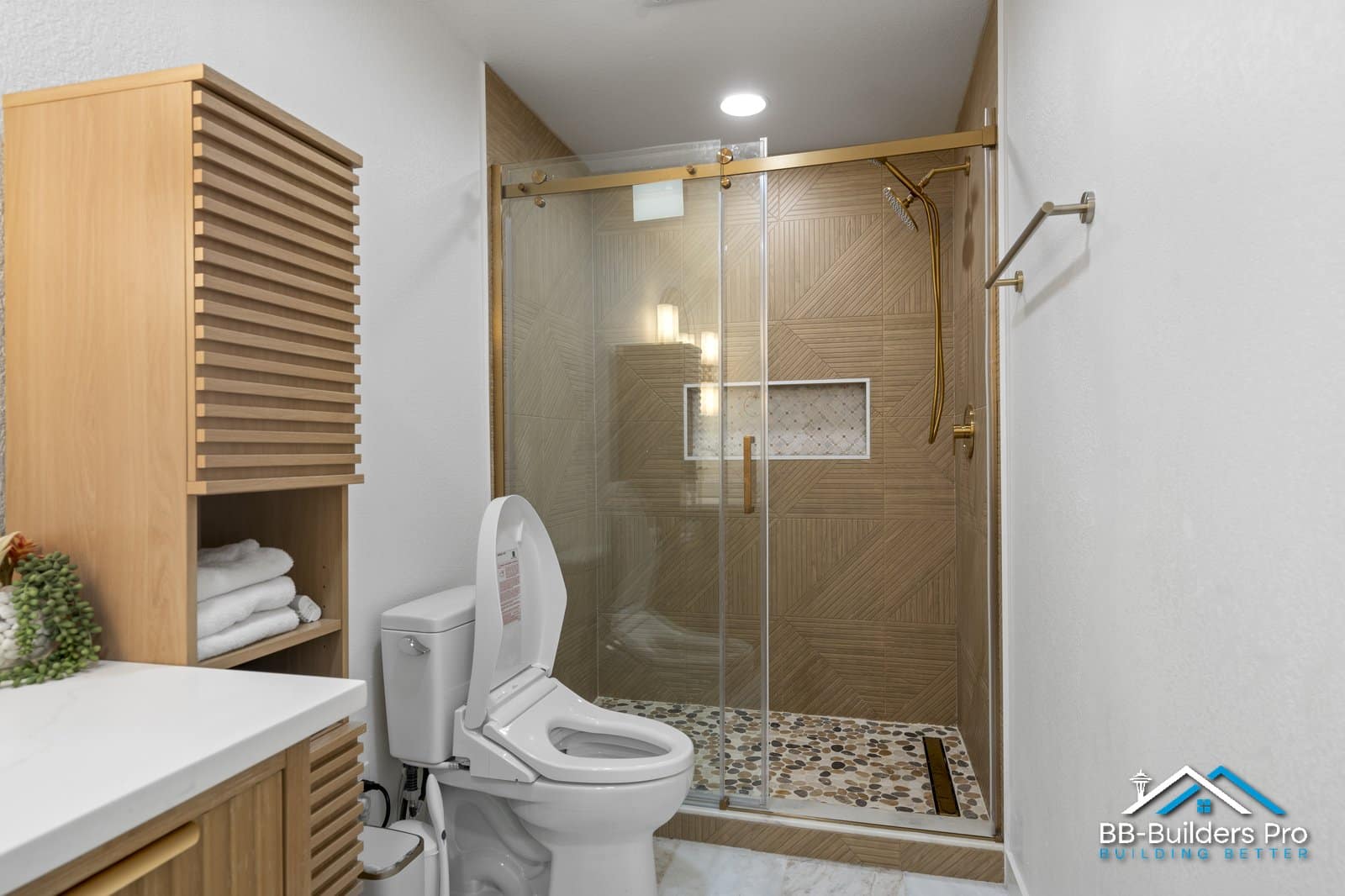
Doorframes add clutter to the vertical space, making your small bathroom feel much smaller. Going frameless with your shower door may not increase floor space, but it creates a sense of continuity. This tricks your brain into thinking that the room is larger than it actually is.
2. Shower Niche
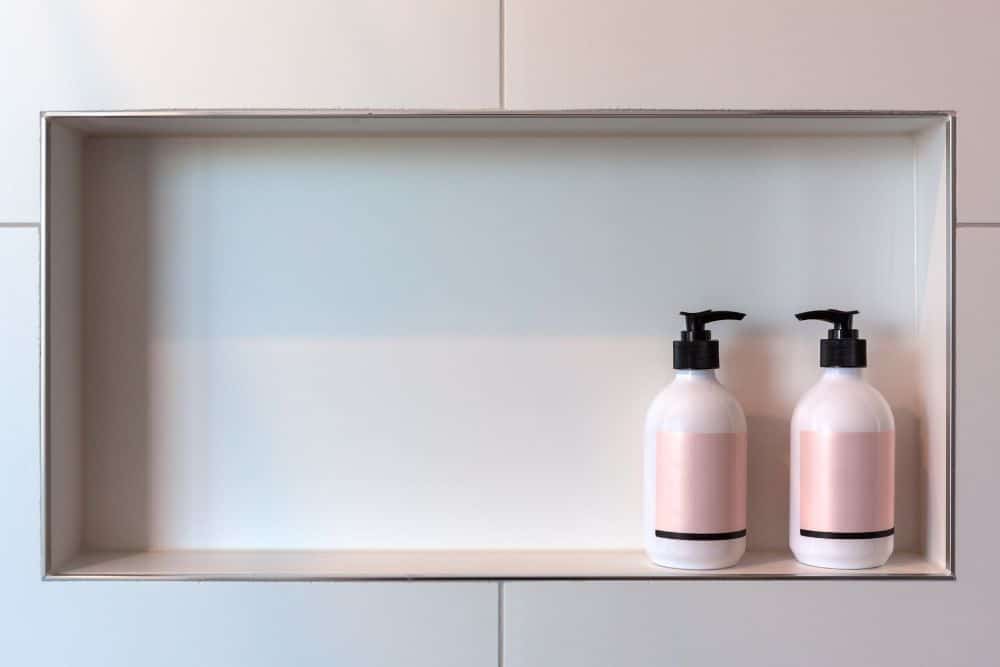
A shower niche is a versatile recessed space in your shower wall. It is primarily meant for arbitrary storage, streamlining your shower’s design profile. It eliminates the need for bulky caddies that may frequently get in the user’s way, especially given your bathroom’s limited space.
3. Floating Vanity
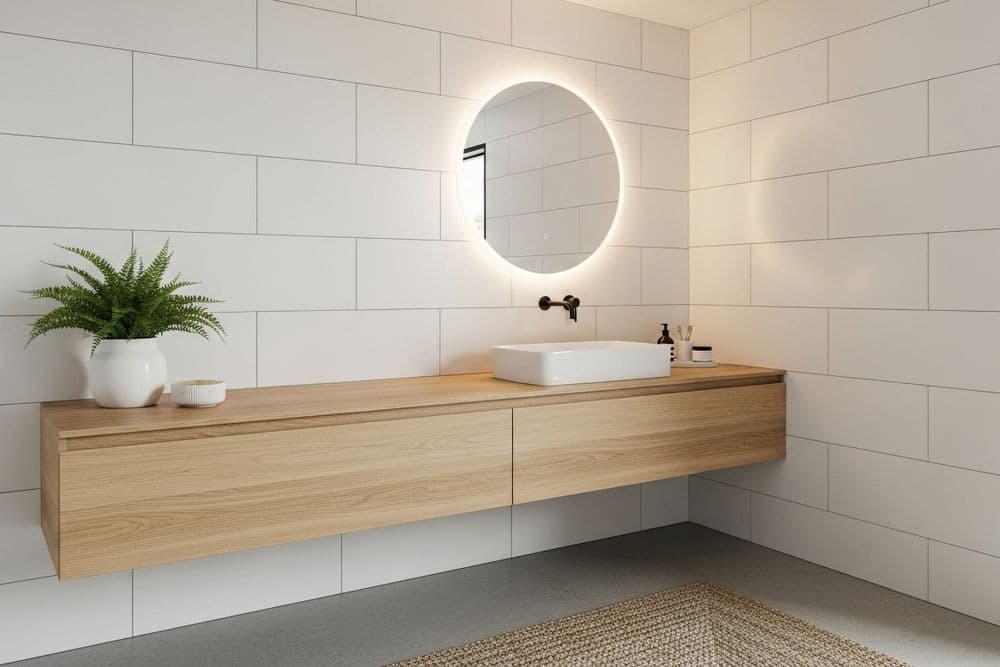
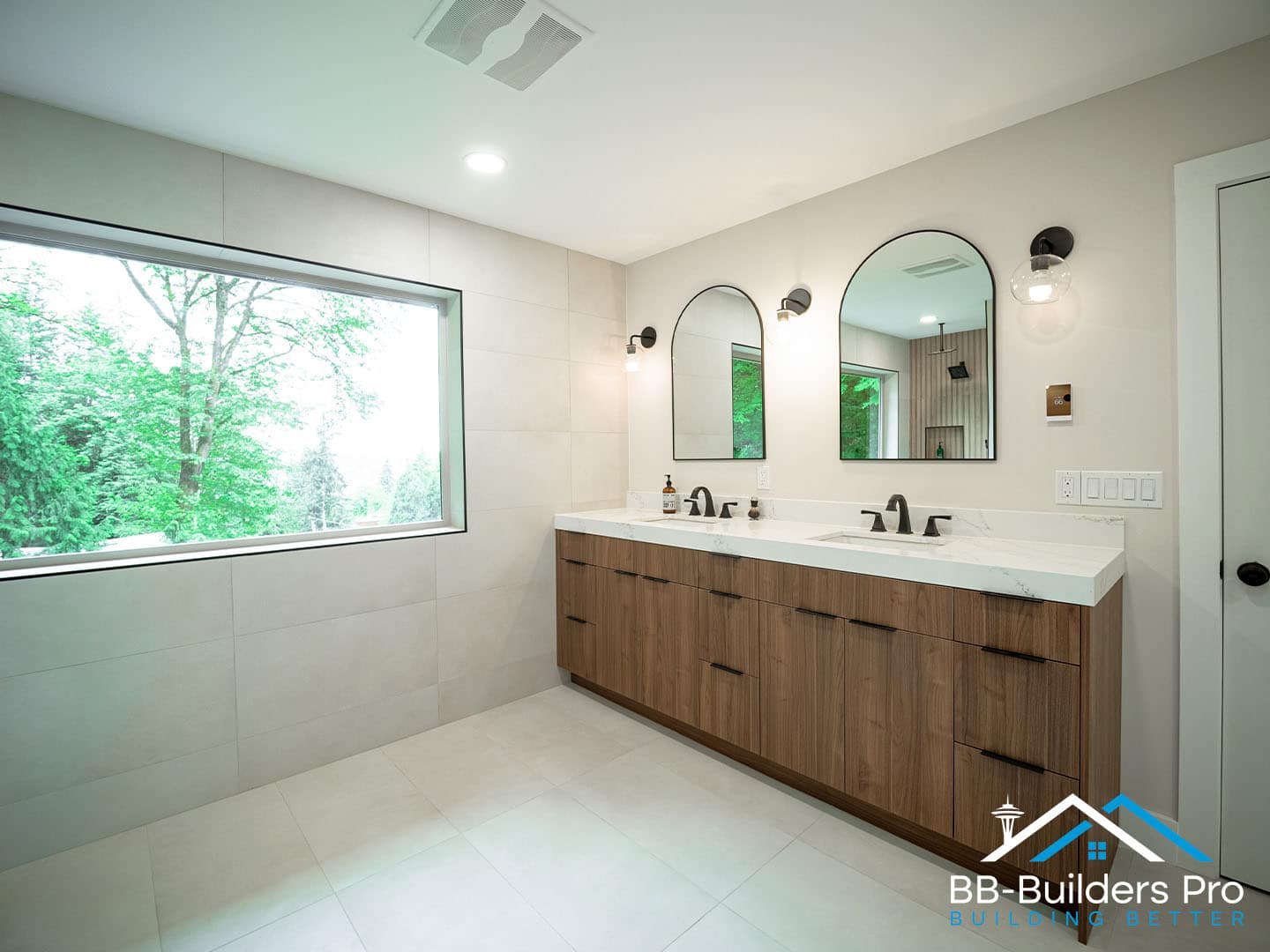
Your vanity doesn’t need to touch the floor. You can transform it into what’s essentially a low-hanging wall cabinet. This setup makes it appear as though it is floating, exposing the floor beneath. This modification adds usable floor space to your bathroom while giving it a chic, modern vibe.
4. Sliding Bathroom Door
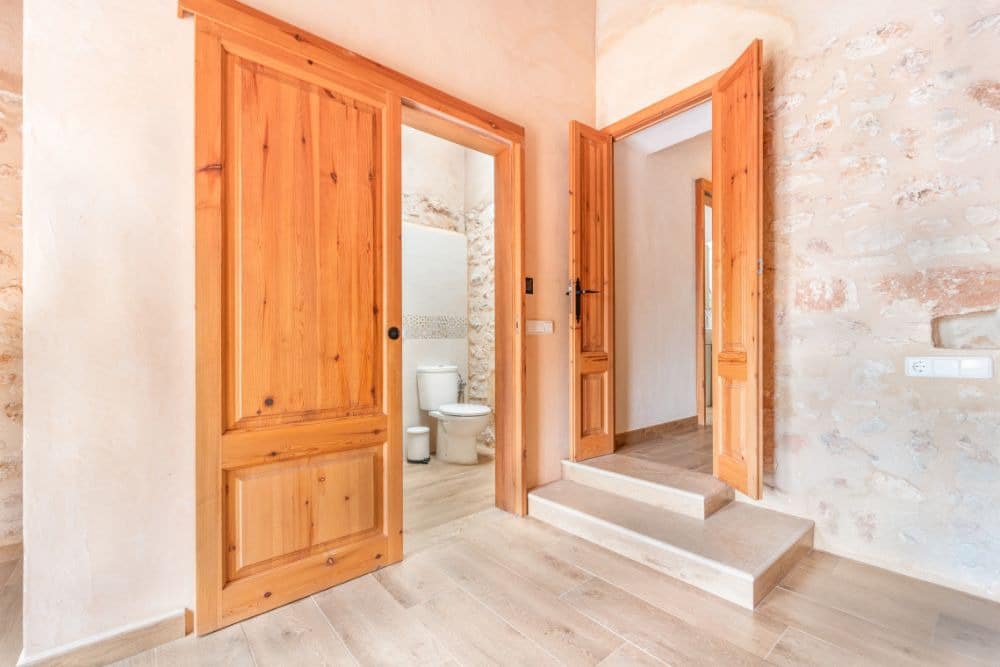
Traditional swiveling bathroom doors, when open, practically deny users several square inches of floor space by the entrance. That could have been useful for storage or some wiggle room. The sliding door solves this problem by hugging the wall instead of sweeping through the room. Besides saving floor space, sliding doors add a modern, stylish touch to the bathroom entryway.
5. Light Colors
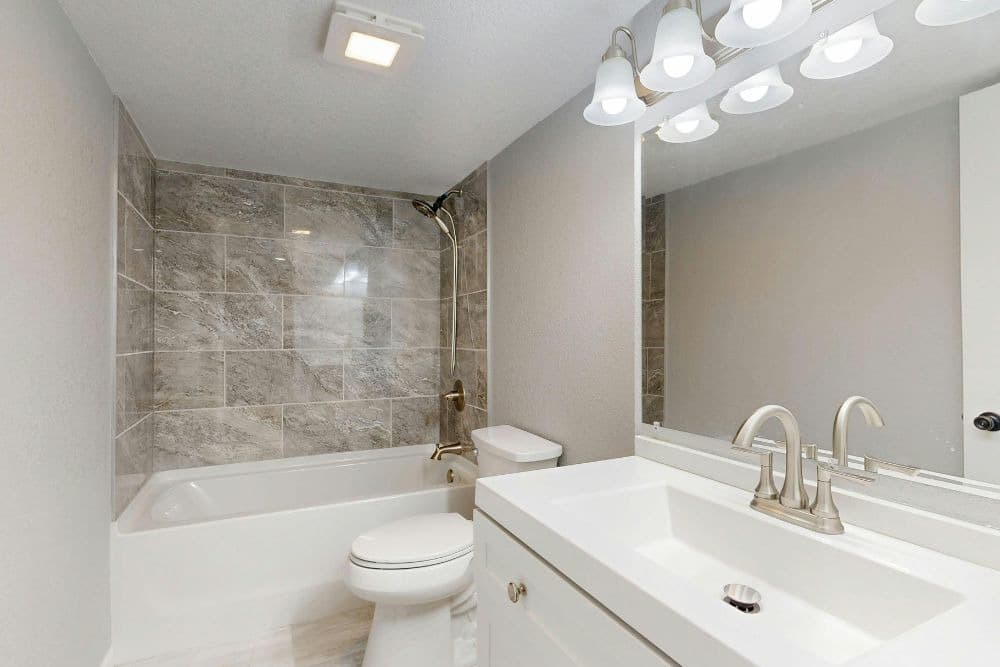
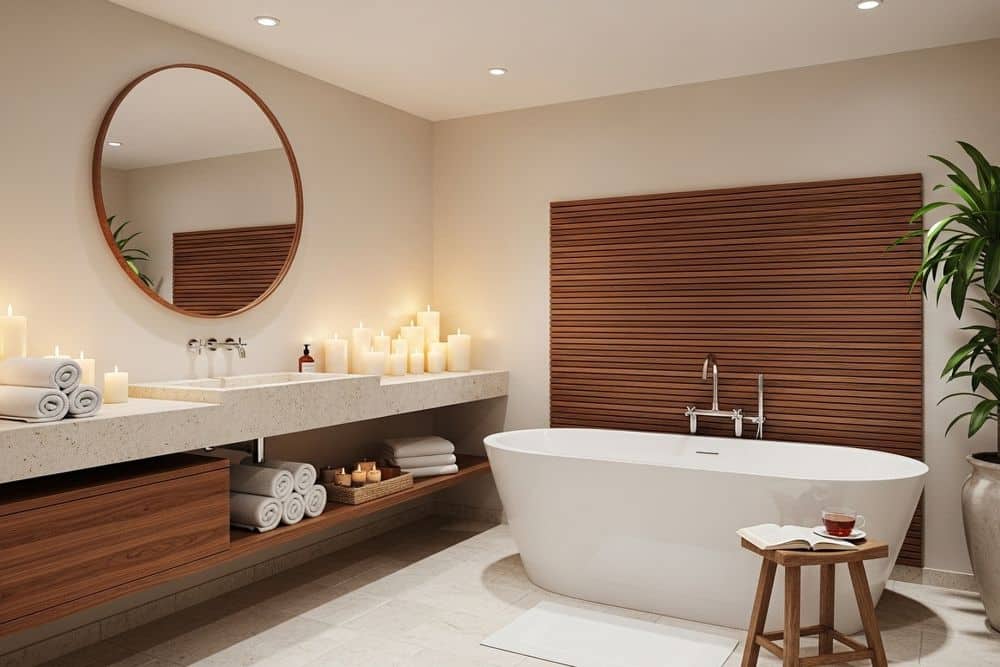
“Paint the walls white” is common advice for designing small spaces. Light backdrops create the illusion of a larger space, which is especially effective in small bathrooms. You can take this a notch further with off-whites and pastel hues—light colors that work well with wood and dark fixtures.
6. Dark Palette
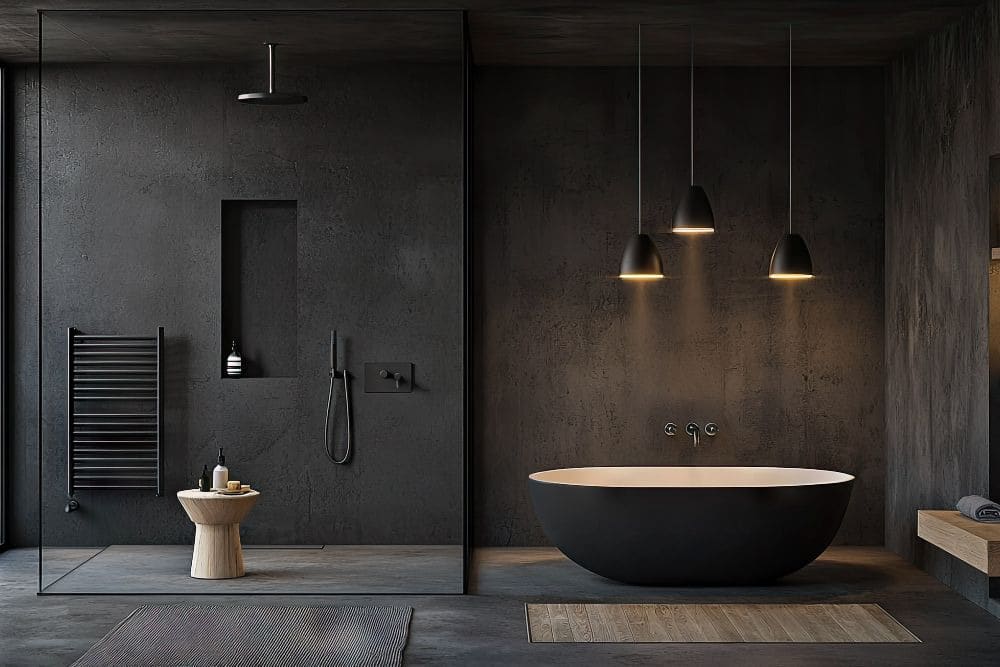
Black or deep brown walls and dark tones may sound counterintuitive to small bathroom design, but proper execution can make the cramped space look limitless. Dark, bold hues also add a touch of luxury to your bathroom, especially when paired with bright accents and metallic finishes.
7. Unconventional Storage
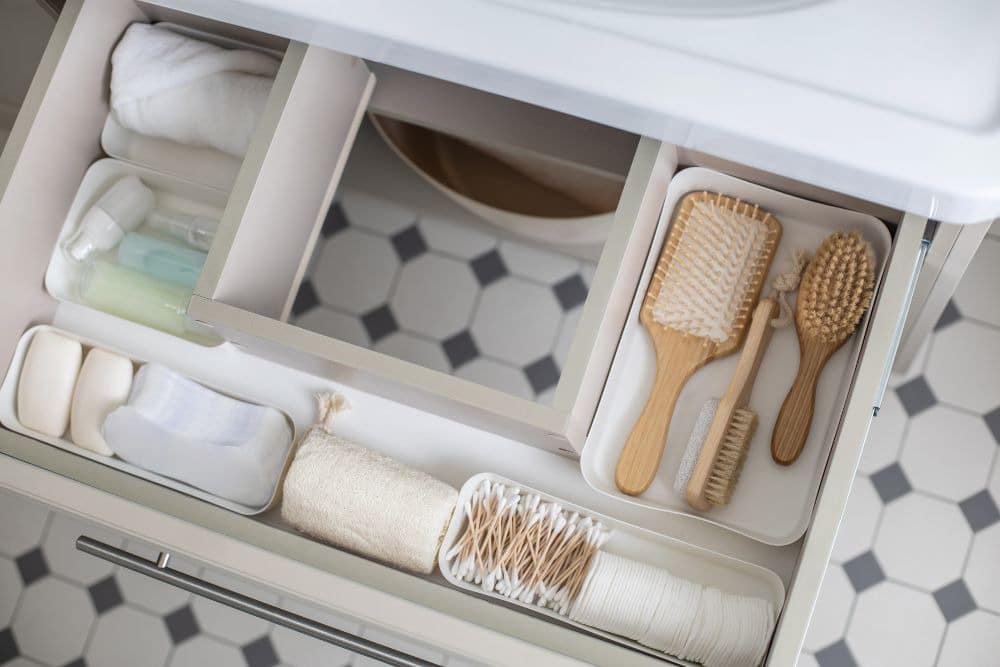
Small bathrooms have many underutilized spaces that could be used for storage. These allow for some decluttering without taking up precious floor space. For starters, here are some prime storage real estate people tend to overlook:
- Above the door. The gap above the door can accommodate a floating shelf for spare toilet paper and other everyday items.
- Vanity base. You may add a toe-kick drawer in the space under the cabinet vanity, maximizing the furniture’s storage potential
- Toilet tank. Add a tray on top of the toilet’s water tank to better organize the loose items on the flat surface.
- Over the toilet. The area over the toilet tank is mostly empty space that can accommodate a tall rack or shelving.
- Corners. Forget rectangular cabinets; triangular or rounded corner storage can take advantage of this dead zone.
8. Mosaic Tiles
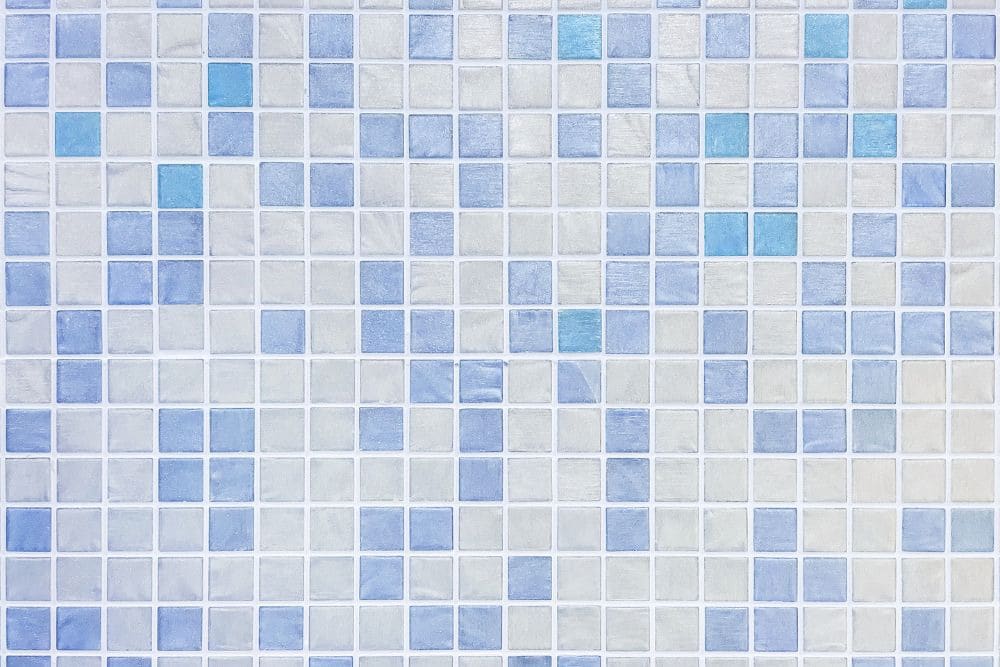
Mosaic tiles can make your bathroom look bigger by virtue of their individual size. Glass tiles work especially well in this regard, as they can also reflect light and add brightness to your bathroom. Mosaic tiling can also be used to create a visual break between sections without bulky physical dividers. As a pro tip, though, be sure to match your grout to the tilework’s primary color, as contrasting grout can create a cagey look.
9. Large Wall Patterns
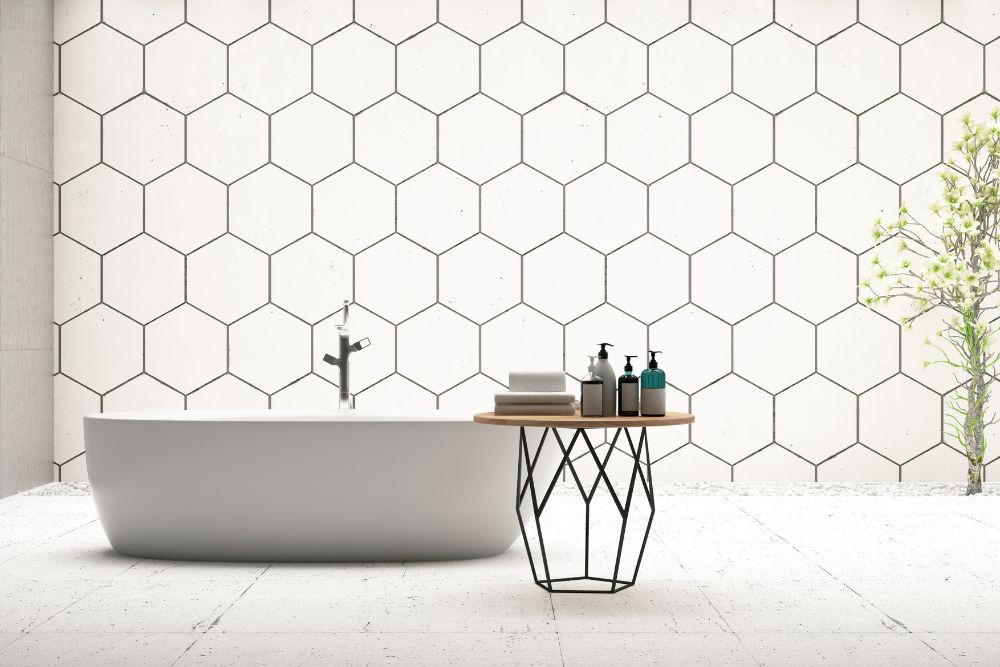
Large, repeating wall patterns can trick the brain into perceiving the walls as much larger than they are. They can also add flavor to the room without necessarily cluttering the visuals. For example, large floral patterns can give your bathroom a fresh, airy feel, while sprawling geometric shapes add a sense of structure to the walls.
10. Corner Sink
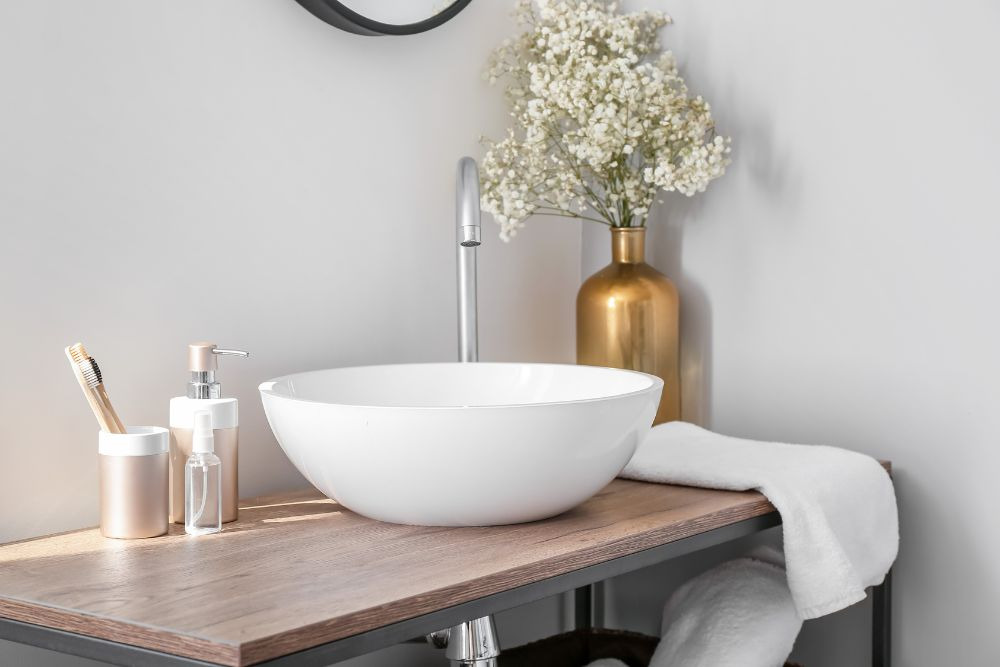
The corner sink is another effective way to breathe life into dead corners. Since sinks don’t need to take up much space, placing one in the corner frees up space along the center wall. This can make the layout feel less congested, and gives you plenty of leeway for experimentation.
Avoid These Remodeling Bathroom Ideas for Small Bathrooms
There are infinite ways to remodel your bathroom. However, that doesn’t mean implementing every possible idea out there. Some concepts just wouldn’t work, and here are the most notorious ones:
- Oversized vanity. Large vanities are counterintuitive to small-bathroom ergonomics. They create a chokepoint between the entrance and the shower, making the center area feel closed in.
- Busy patterns. Small patterns may look ornate and luxurious, but these can make your bathroom feel busy and cluttered.
- Standard-sized bathtubs. A standard tub can occupy the entire width of a small bathroom, if there’s any space for it at all. It’s best to opt for shorter or freestanding alternatives or go with a standalone shower.
- Pedestal sinks. This type of sink may look elegant, but it offers no storage space. This could result in cluttered countertops or toilet tank tops.
- Large lighting fixtures. Most small bathrooms use recessed lighting for a reason. Large lighting fixtures like hanging lamps and chandeliers can make the ceiling feel like it is dropping towards you.
Conclusion
The best remodeling ideas for small bathrooms share a few key features. First, they create an illusion of space through mere visuals. Second, they maximize floor space through ingenious means. Third, they take advantage of the often underutilized vertical space. Lastly, they maximize storage to minimize clutter. It’s all about making the bathroom as useful and as spacious as possible—something a professional bathroom remodeling company can help you with.
FAQs
What is the golden rule for bathroom layouts?
The so-called golden rule for bathroom layouts is prioritizing function, flow, and usable space over style. This maintains the following clearance:
- At least 30 inches in front of any fixture.
- At least 15 inches from the center of the toilet to any wall or fixture to its side—a common building code requirement that also shows up in the Seattle Residential Code.
- At least 18 inches from the swing of the door to the closest fixture.
What are the biggest mistakes in bathroom remodel?
The worst remodeling ideas for small bathrooms create poor layout, choke the ventilation, reduce storage, and ignore lighting needs. These can lead to common bathroom hazards, such as mold growth and slip-and-fall accidents.
What makes a bathroom look expensive?
High-end materials and smart integration are literally expensive and show the part. The more affordable option is a clean, well-lit, and uncluttered space.