In a typical Snohomish home, the kitchen bridges historic heritage with modern convenience. Your kitchen cabinets should reflect this, balancing classic aesthetics with the functional demands of the 21st century. By choosing the right types of kitchen cabinets Snohomish homeowners create a culinary space as welcoming and enduring as the Antique Capital of the Northwest. Cabinets are usually the largest single line in a kitchen remodel in Snohomish, so it pays to settle this decision early.
That said, let us take a look at the types of cabinets that you can add to your Snohomish kitchen. From timeless shakers to modern slabs, understand which kitchen cabinet style works best for your home.
What Are the Different Types of Kitchen Cabinets Snohomish Homeowners Can Choose From?
When it comes to kitchen cabinetry, Snohomish residents have a wide range of styles and aesthetics to choose from. We can distil this smorgasbord of culinary furniture to the categories below.
Types of Kitchen Cabinets By Style
Shaker Cabinets
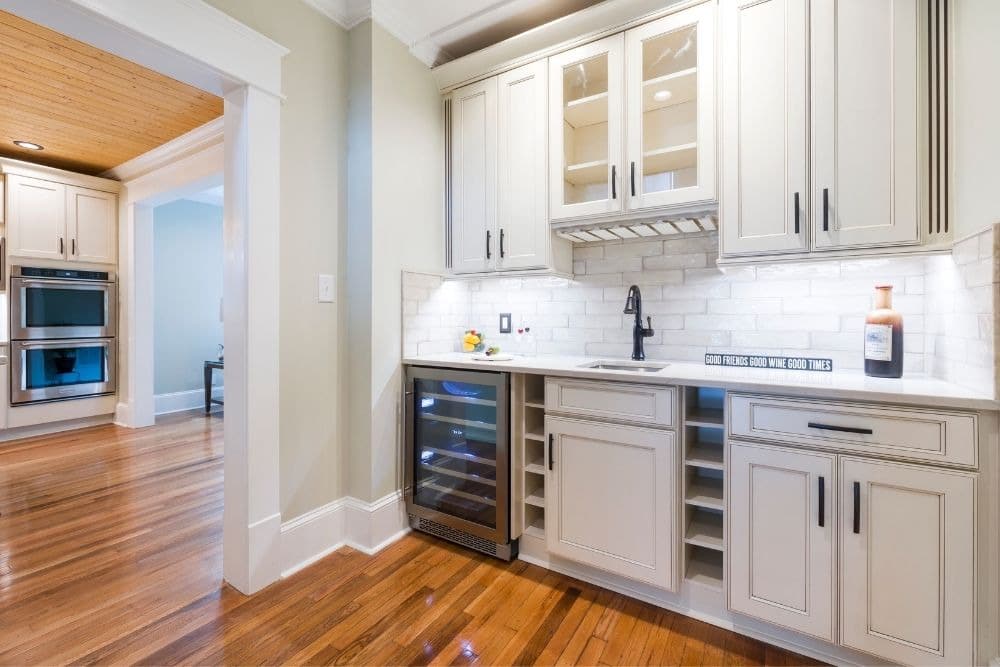
Named after the Shaker community of the 18th century, the shaker cabinet is a timeless design that fits any home. It is built around simplicity, utility, and honesty, as reflected in the signature five-piece door. Its most notable feature is the door’s recessed center panel and simple frame. This aesthetic works as well in older mid-century ramblers as in modern minimalist apartments.
Inset Cabinets
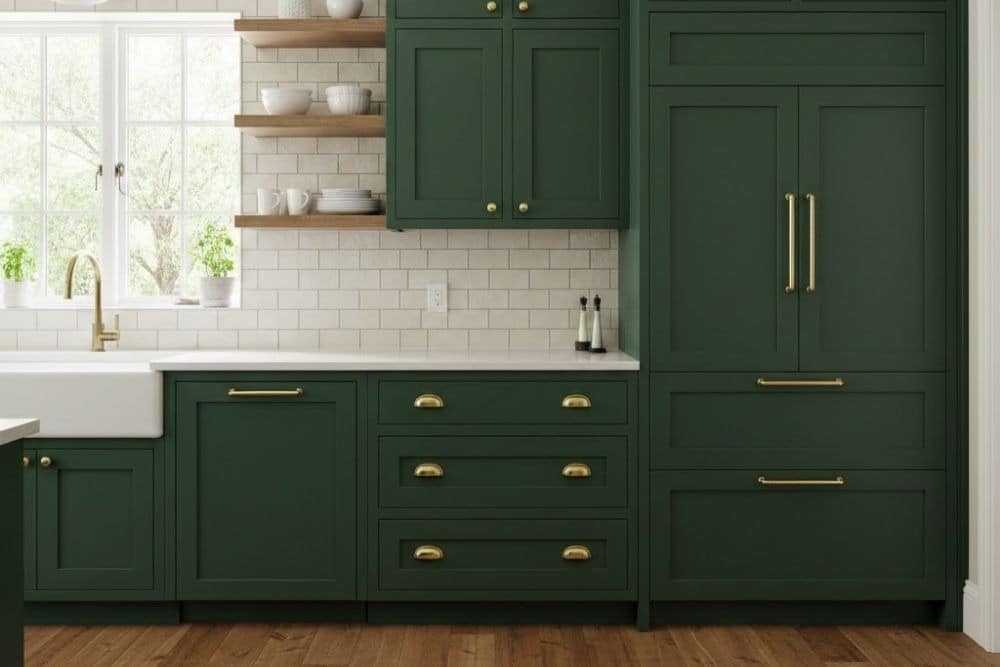
The doors of an inset cabinet fit well in the frame. When closed, they form a single smooth surface, with exposed hinges holding the doors and the frame together. While this looks like a product of modern carpentry, the style is actually common among Snohomish’s high-end antiques. This timeless construction is sometimes combined with the shaker style to create versatile hybrid designs.
Raised Panel Cabinets
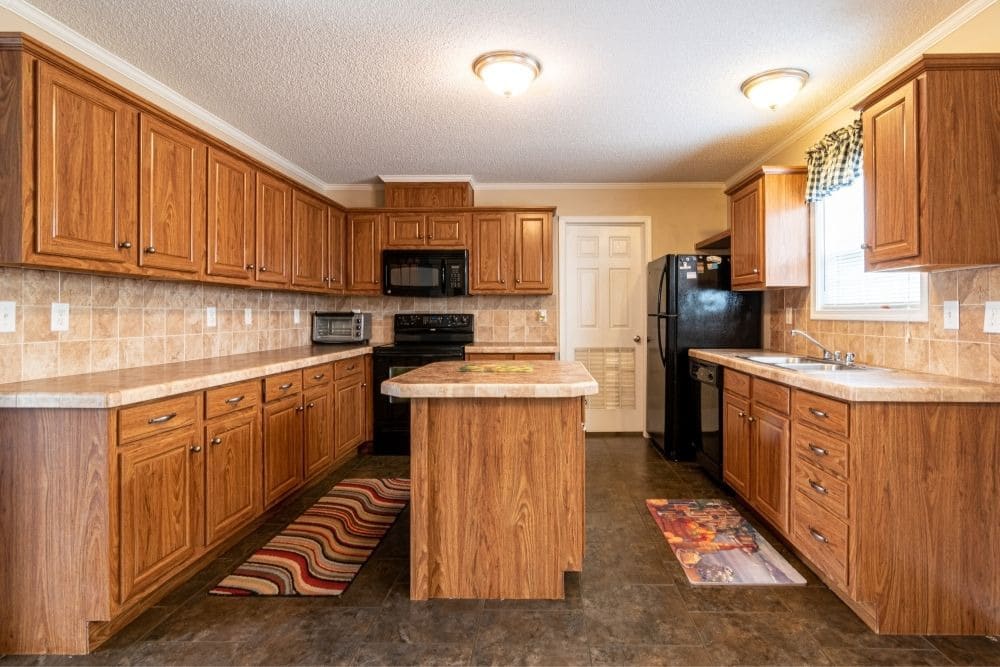
A prominent, three-dimensional center panel on the doors defines the raised-panel cabinet. Like shaker cabinets, its doors are built from five pieces: two vertical side pieces (stiles) and two horizontal top/bottom pieces (rails) that frame a flat middle panel. Raised panel cabinets sport a traditional, upscale look and often feature in luxurious kitchens. They are usually painted white, but modern versions are finished with dark wood stains.
Slab Cabinets
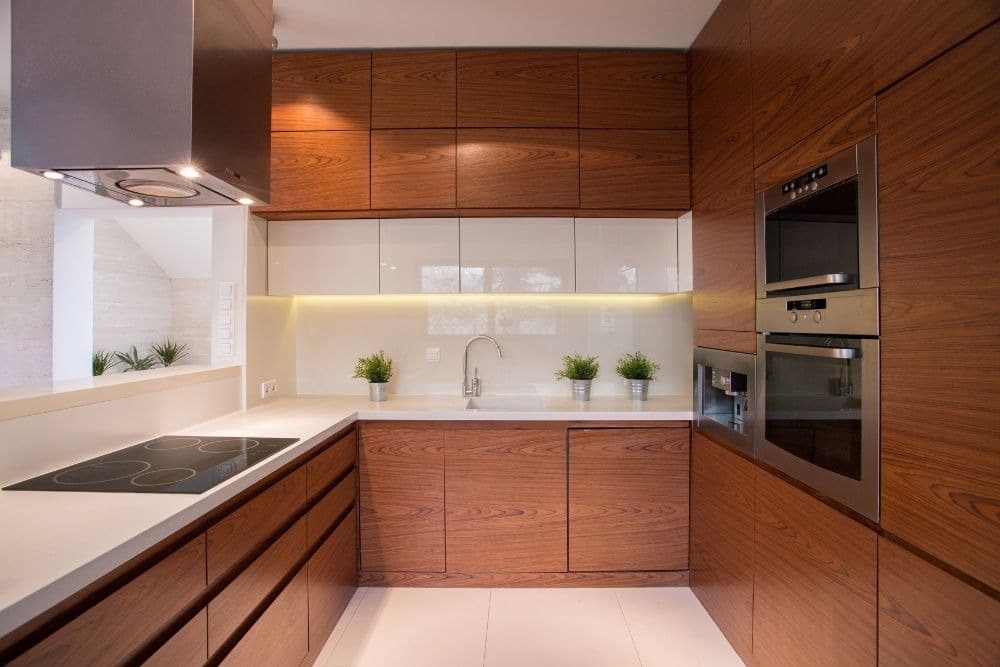
A common feature of the modern Snohomish kitchen, one can identify the slab cabinet with its single flat door. The nearly uninterrupted surface typically features finger pulls or a push-to-open latch. They are very easy to clean, and often feature a light wood stain finish that highlights the wood grain. The overall clean appearance works best with minimalist 21st-century developments.
Types of Kitchen Cabinets By Construction
Framed Cabinets
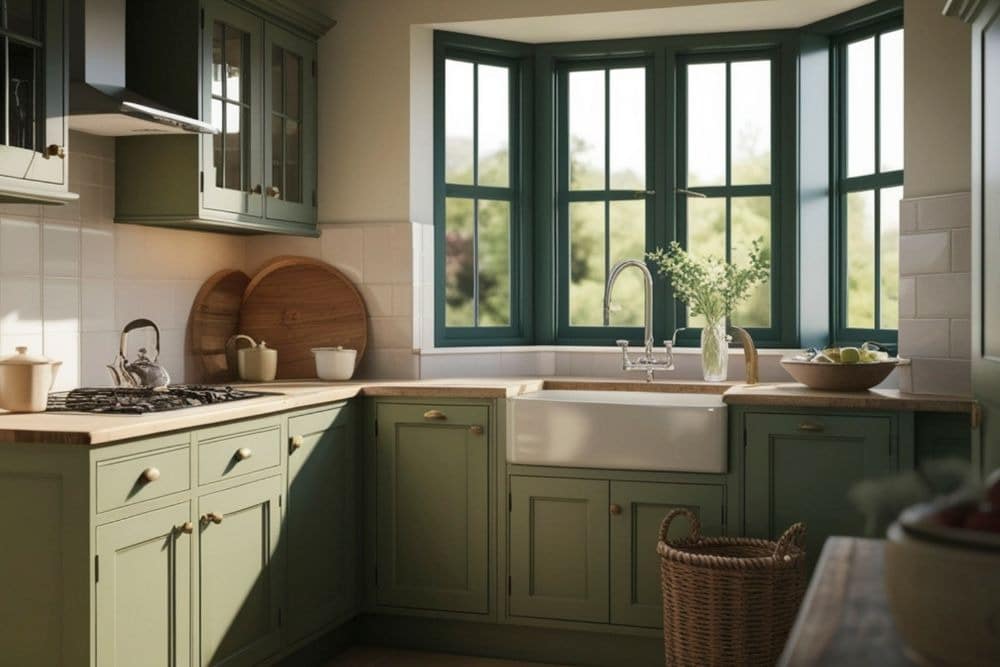
Also known as American-style cabinets, framed cabinets are the more traditional option. A common sight in older Snohomish homes, they feature five-piece doors that attach directly to the front of the cabinet box. Framed cabinets are known for their sturdiness, but the presence of the face frame slightly reduces their storage capacity.
Frameless Cabinets
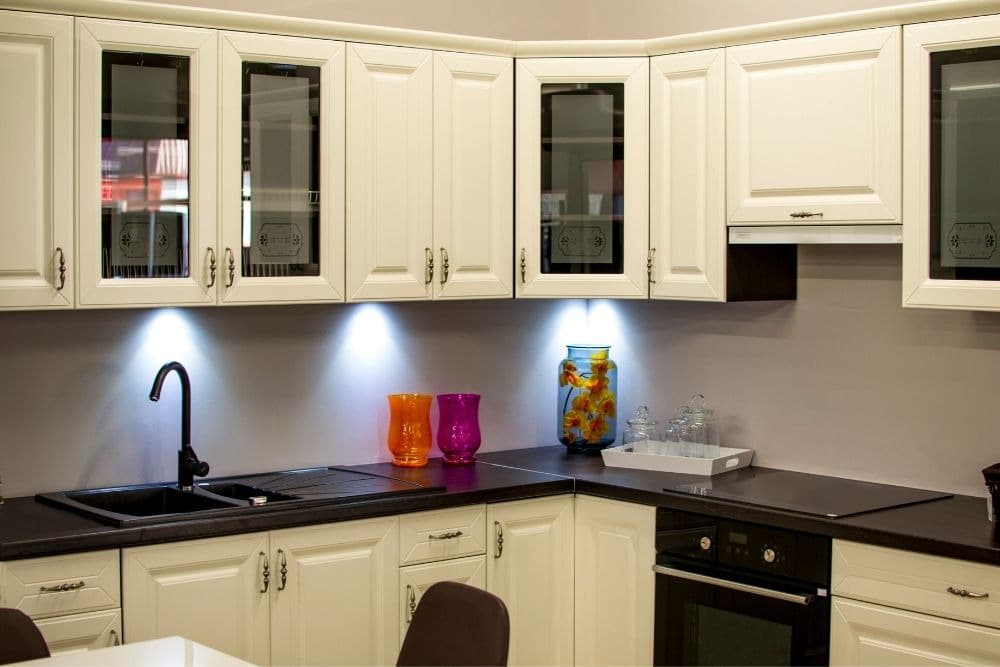
As the name suggests, frameless cabinets don’t have face frames. These are also known as European-style cabinets, with distinct features from their American-style counterparts. Most notably, the hinges are attached to the interior side walls, and the door is not mounted to the frame. This allows for maximum storage space and an exterior as seamless as its carpenter’s precision.
Tall Cabinets
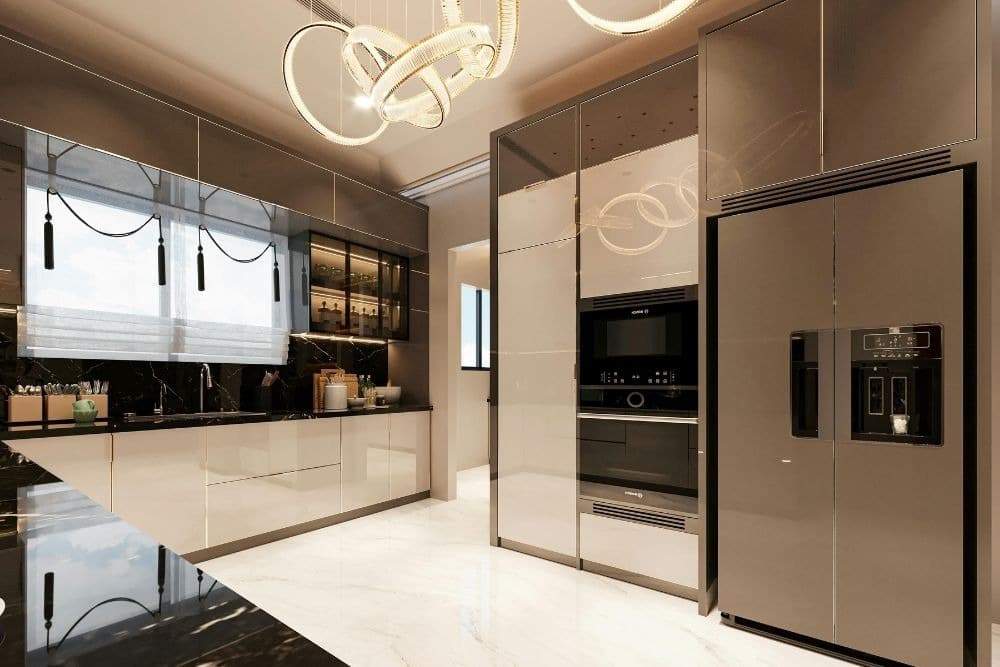
Tall cabinets work well for small kitchens, which are common in the Historic District. As these cabinets are ceiling height, they offer the most storage space. Plus, they don’t have shadowed, dust-collecting spaces typical of shorter cabinets.
How to Choose the Right Kitchen Cabinets?
Now that we’ve presented the possible cabinetry options for your Snohomish kitchen, how should you choose the right one? For starters, consider the local climate and basic kitchen ergonomics. Here’s a quick guide in that regard:
- Prioritize moisture resistance. The Snohomish Valley is known for its humid weather that persists for most of the year. Moisture accumulation can take a toll on wooden furniture, so it pays to consider water-resistant cabinets. Get a cabinet built with dense hardwoods or engineered cores to ensure longevity. Standard particle boards are a no-go. They may swell when exposed to the consistent dampness of the Washington climate.
- Choose a durable finish. Your cabinet’s finish is also an important factor in making sure it lasts a long time. Cabinets finished with conversion varnish (CV) could last longer than those coated in regular lacquer. CV forms a protective layer on top of the wood tight enough to keep moisture out.
- Optimize for function. Your cabinet should be compatible with your kitchen’s layout and your culinary workflow. Their construction and location should be optimized for food preparation. For instance, wide, deep base drawers instead of standard lower cabinets allow access to heavy pots and pans with a simple pull. This eliminates the need to kneel and dig through dark corners.
- Match your neighborhood’s character (optional). Snohomish architecture dramatically varies as you move from one neighborhood to another. Matching your cabinetry to the character of the area turns your kitchen into a seamless, intentional extension. It keeps your kitchen looking in place, both inside and outside your home. Here are the kitchen cabinet types we’d recommend for the following neighborhoods:
- Historic District. Inset cabinets complement the classic aesthetics of the area’s diverse heritage homes. They evoke built-in cabinetry that are common in the 19th century, when most houses in the area were built.
- Snohomish Valley. Shaker cabinets that work with the area’s sprawling, rustic townhouses. Slim shakers are especially popular in modern valley homes. Their more refined silhouettes blend well with minimalist aesthetics.
- Modern neighborhoods. Without a question, slab cabinets are a good fit for newer homes. Their sleek, minimalist look works well with modern interiors. They work rather well with contemporary builds with their focus on raw materials and unobstructed views.
Final Thoughts
We’ve merely scratched the surface with regard to the types of kitchen cabinets that you can add to your Snohomish kitchen remodel. Use this guide as your starting point to find the best cabinetry for your kitchen. While it’s safe to stick with the proven options, it also pays to experiment with style and architectural combinations. Investing in the right kitchen cabinetry is investing in your home’s story.