Bathrooms need to breathe. All the air and odors have to go somewhere, and a proper ventilation system makes it happen. There are many benefits to exhausting stale air, but here’s the more important question: where do bathroom vents go?
Where Does the Air Vent In the Bathroom Go?
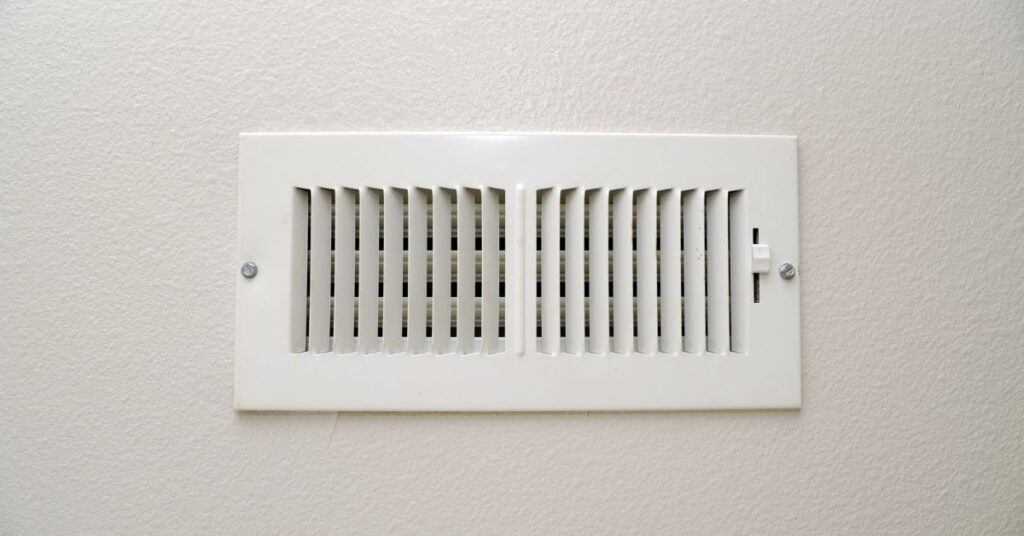
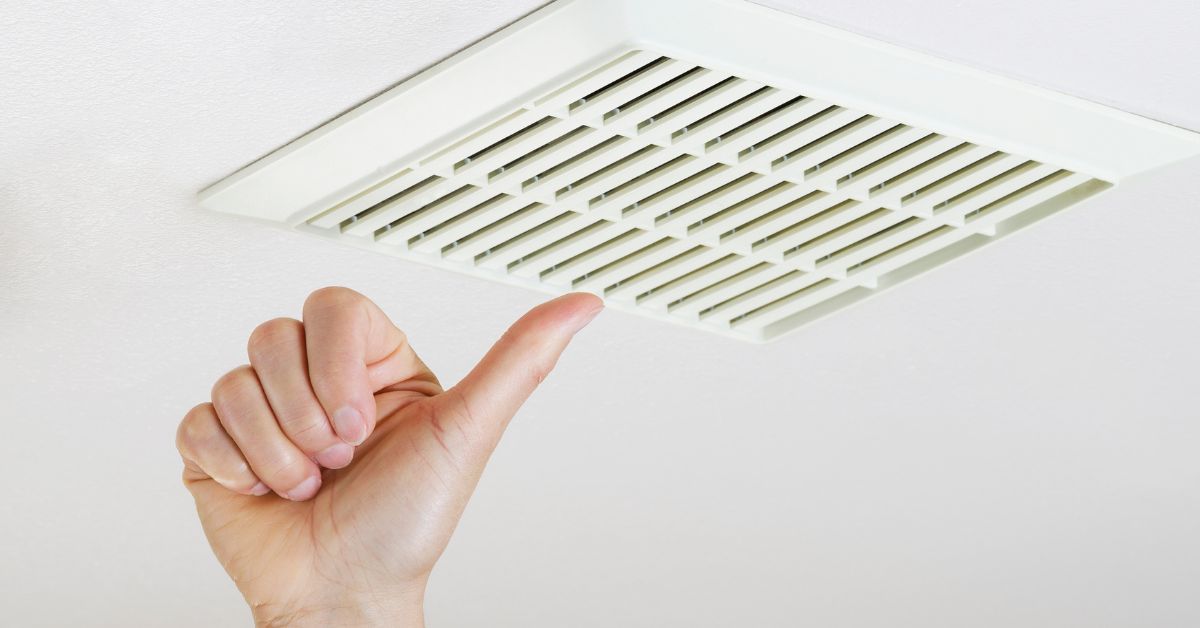
Bathroom ventilation takes the air out of your bathroom and expels it outside your house. It starts with the fan creating a negative pressure in the ductwork, which sucks the air from the bathroom and into the ducts. The air is then routed to external vents that take it straight outdoors, keeping it out of crawlspaces and other parts of your home.
There are many good reasons why your bathroom’s air needs to be vented out of your house. This primarily includes moisture control, structural protection, ensuring high air quality for the comfort and convenience of all users, and compliance with current building codes.
Moisture Control
Moisture from damp, humid air can cause a host of structural problems to many Seattle homes. As most of the city’s single-unit residences are made with wood frame construction, they are especially vulnerable to moisture damage. Wood frames are generally untreated for moisture resistance and readily absorb condensation from humid air, which can weaken the structure. Meanwhile, the presence of water in the frame encourages mold growth and attract wood-eating insects that can further compromise your bathroom’s structural integrity..
Structural Damage Prevention
Excessive moisture in the air and structural damage are two sides of the same coin. When the bathroom’s air goes stale in the absence of ventilation, it can go unnecessarily damp. Damp air, as we’ve previously detailed, can weaken your bathroom’s wood frame structure when the condensation seeps into the beams, encourages mold growth, or attracts wood-eating insects.
Odor Removal
Odor stays in stagnant air. It can be unpleasant, as the smell may come from toilet use or from the stench that evaporates from the skin during a shower. Without proper ventilation, the odor can hang in the damp air and can make bathroom use an unbearable experience.
Improve or Maintain Air Quality
Ventilating the bathroom removes the contaminants in the air. This includes fungi, bacteria, and even airborne viruses that could linger in a still atmosphere. A well-ventilated bathroom, in turn, promotes health by reducing the risk of diseases that can be prevented through simple ventilation measures.
Building Code Compliance
The City of Seattle effectively requires residents to install a ventilation system in their bathrooms. This is expressed in three building codes: Seattle Residential Code (SRC), the Seattle Mechanical Code (SMC), and the Seattle Housing Code. While each code may have specific provisions regarding bathroom ventilation, the core idea remains the same. These codes require bathrooms to have a means to expel moisture-laden air from the toilet directly outdoors. The goal is to prevent structural damage from excessive moisture.
Where Do Bathroom Vents Go If the Toilet and Shower Share a Vent?
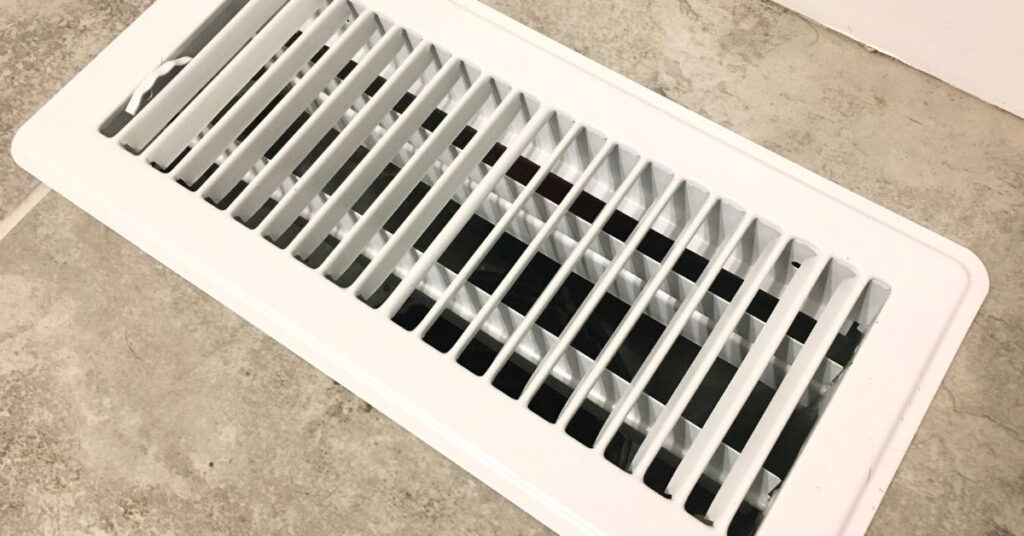
Your toilet and shower can share a vent, provided they are grouped in a single continuous location. In this case, the most efficient approach is a wet vent system, in which the drain also serves as the vent. As with HVAC ventilation, wet vents suck air from the space and exhaust it outside the house, thanks to carefully laid out plumbing.
For this to work, the installation must comply with the specific provisions of the Seattle Plumbing Code. This is based on the Uniform Plumbing Code (UPC), which require the following:
- The wet vent must be one size bigger than the drain pipe of the highest fixture, but no smaller than 2 inches in diameter.
- The horizontal wet vent pipe must have a diameter of at least 3 inches to handle the load from the toilet and water closet.
- The water closet must be the most downstream feature in the wet vent.
- All fixtures should connect to the wet horizontal vent via individual branches.
- The dry vertical connection must be at or above the highest drain connection, and should connect to the most upstream feature. It must rise 6 inches vertically above the sink’s overflow level before going horizontal.
It may be advisable to hire a licensed plumber or bathroom remodel professional to install a wet vent. These specialists are best suited to working on your bathroom’s pipes and can follow the requirements of the Seattle Plumbing Code to a tee.
What Happens If a Bathroom Is Not Vented Properly?
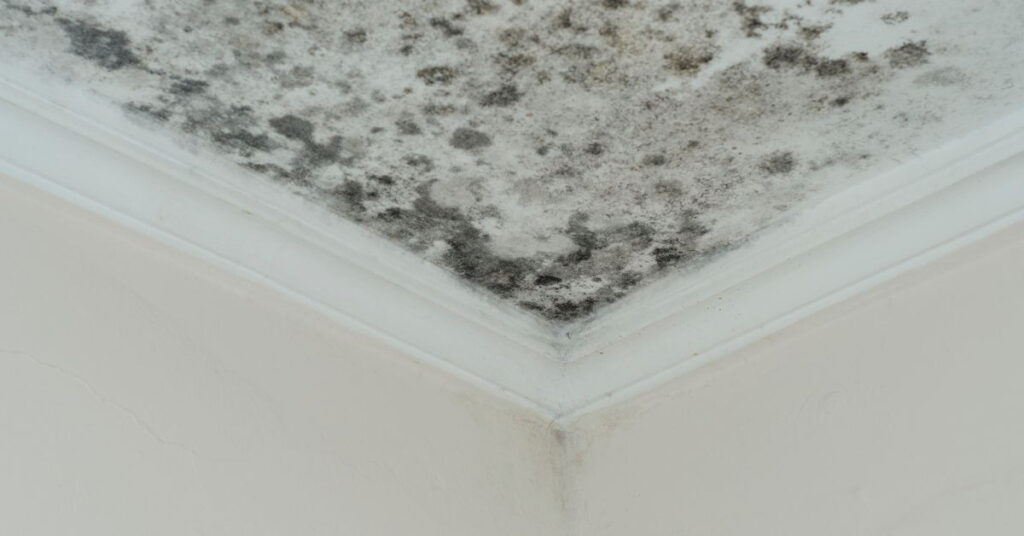
Without proper ventilation, the bathroom acts as a reservoir for humid air. This effectively turns the space into a liability that could cause costly damage to your home. Improper ventilation, or the lack thereof, can bring one or all of the following problems:
- Moisture damage. Water vapor in damp air condenses when it hits a cooler surface. If it does so within the house’s wooden frame, it may seep into the material, causing the structure to become waterlogged and brittle. The moisture in the wood frame can degrade your home’s structure, requiring extensive repairs.
- Mold growth. Mold does greater damage than moisture infiltration and may require thorough mold remediation. Mold can grow deep into the wood frame’s surface, causing it to weaken due to rot and decay. Note that mold is a living organism that consumes the material it inhabits. It can release enzymes that break down cellulose and lignin—materials that give wood its structural strength.
- Pest infestation. Water trapped in the wood frame can attract various wood-eating pests. The worst of these are termites, which tend to make a home where water and readily consumable wood are present. Termites and other wood-eating bugs can degrade your home’s wood-based structure. Extermination is in order here, and it may need some demolition and repairs.
Never Underestimate the Importance of Proper Bathroom Ventilation
Ensuring that the bathroom exhausts air outdoors is a non-negotiable for any healthy home. The alternative is to expel the air above the ceiling or into crawl spaces, neither of which is advisable. Venting damp air into dark, closed spaces opens your home to mold and pests. These, in turn, compromises the structure and need costly professional remediation. Strict adherence to modern ventilation and plumbing codes, then, is necessary for homeowners to prevent this avoidable problem and protect their investment.