A kitchen plumbing emergency calls for immediate repair work. Whether it’s a persistent leak or a stubborn clog, these issues can bring daily life in Federal Way to a halt. It can be frustrating, so these problems require fast, reliable solutions. Repeat leaks in an older kitchen usually point at the supply lines, which is worth addressing during a kitchen remodel in Federal Way rather than one fix at a time.
Knowing the ins and outs of kitchen plumbing repair can mean the difference between a quick fix and a costly headache. We’ve answered common questions about kitchen plumbing repair Federal Way homeowners have been asking. We cover everything from simple DIY repairs to situations when you need to call a professional.
Who Do I Call For a Clogged Kitchen Sink?
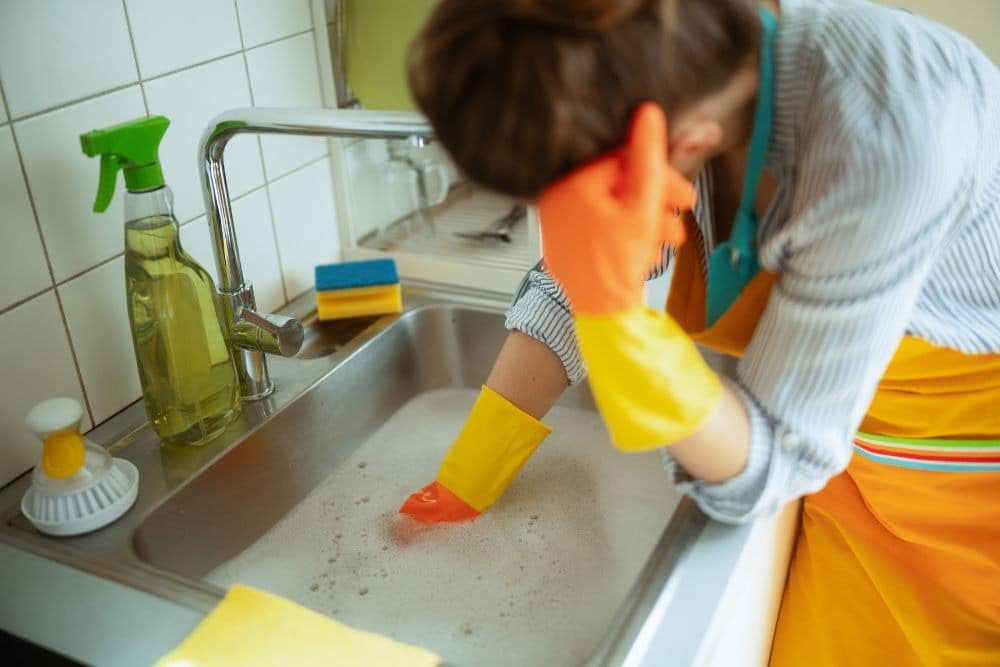
If your kitchen sink is clogged, it is very likely due to debris covering the drain or a problem in the pipes. You can easily take care of the former by yourself—just take out whatever’s in the way. As for the latter, you will have to call a plumber licensed in Washington State. Issues in the pipe require professional help, and plumbers are trained to deal with such problems. They can safely work on the piping without compromising your kitchen plumbing or damaging the other features.
How Long Do Kitchen Pipes Last?
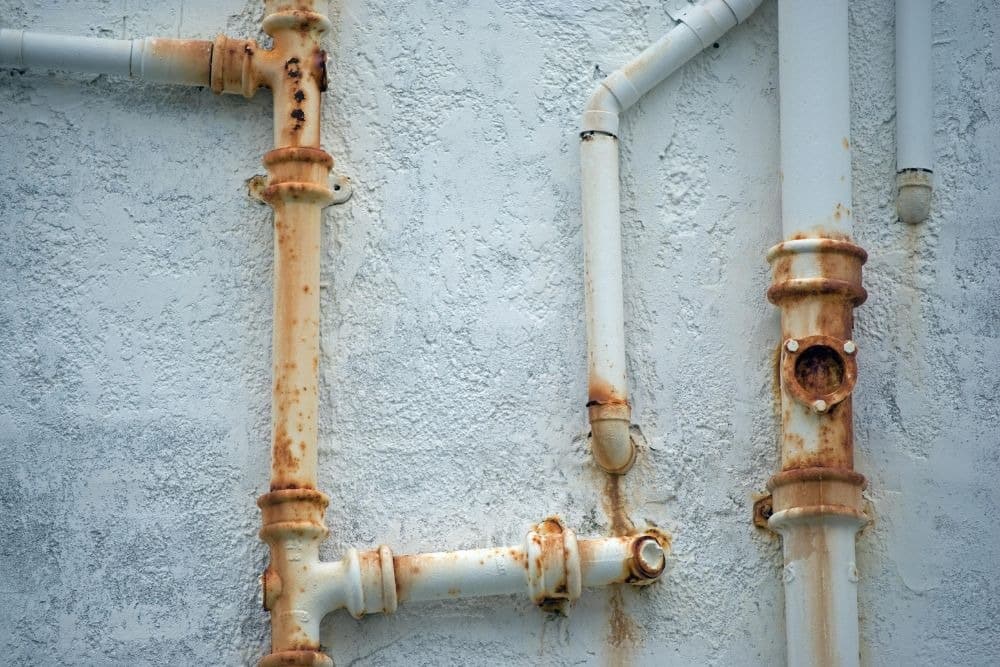
The lifespan of kitchen plumbing depends mainly on its material. The commonly used polyvinyl chloride (PVC) pipes can last at least 25 years as long as they’re not exposed to direct sunlight. Plumbing made of metals like copper, brass, and cast iron can last between 40 and 100 years. However, kitchen pipes could start breaking down before their estimated expiry, given constant daily operation.
How To Fix Broken Plumbing?
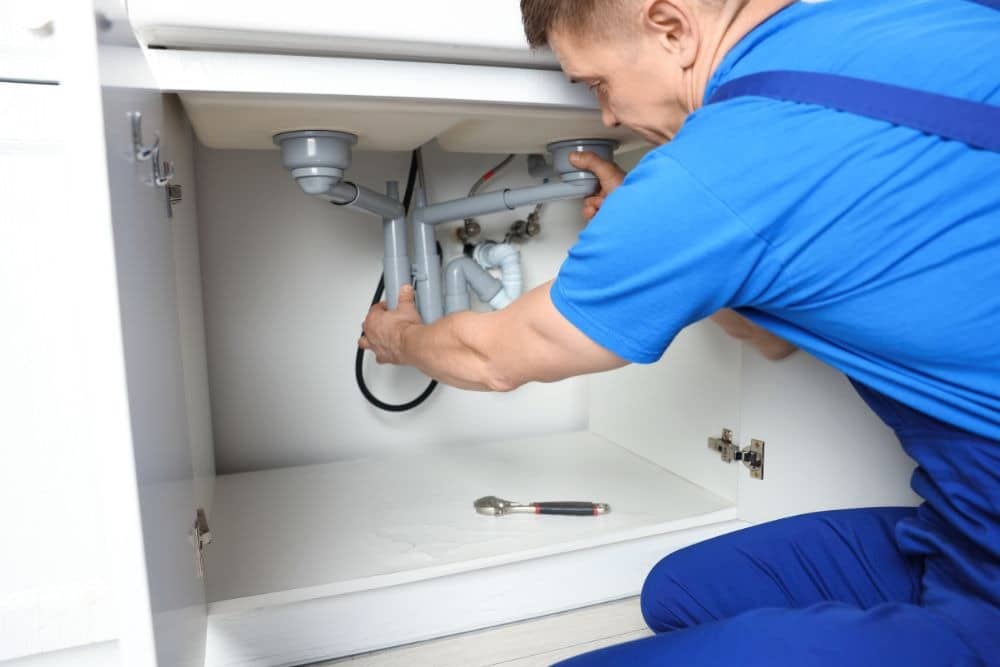
As a Federal Way homeowner, you can certainly fix broken kitchen plumbing on your own without a plumber’s help. However, this requires compliance with Washington State’s building codes. This means scheduling for inspections and getting permits, which could cost more than simply hiring a plumber. Once you’ve accomplished all the government paperwork and requirements, you can follow these steps to repair your plumbing:
- Turn off the water supply. Find the main valve and turn the water supply off. This should let you start fixing your plumbing without worrying about water splashing everywhere.
- Find the damage. Look for any pool of standing water under the pipes. This should give you an idea of where the leak is. Thoroughly inspect the pipe section above the puddle to find holes or cracks that caused the water to drip.
- Drain the water in the pipes. Drain the line by opening a faucet lower than the damaged section. This should release pressure from the line and drain it completely.
- Seal the leaks. You can patch up small holes and cracks with epoxy. For heavier damage, you will need to cut off the affected section and replace it with a new pipe.
- Identify the cut point. If the epoxy does not resolve the issue, determine the cut point on both sides of the damage to remove the entire bad section. Place a bucket under the damaged line, and use a pipe cutter to remove the marked section.
- Bring the fitting to position. After the broken section was removed, install the coupling or fitting to one side of the pipe.
- Cut a replacement pipe to the same length as the removed section. This will fill the gap created by the removal of the broken pipe. Use steel wool to clean both ends of the pipe, as well as the insides of the fitting.
- Connect the pipe. Add soldering flux to the outer surface of the pipe end and the fitting’s inner surface. Slide the latter to the end of the pipe.
- Solder the pipe and the fitting. Wear safety goggles as a precaution, then use a propane torch to heat the pipe and the fitting. Feed approximately two inches of solder into the joint. The heat from the joint will melt the solder, letting it flow into the connection.
- Check for leaks. Turn the water back on by opening the main water line, then check if the pipe is still leaking. It’s unlikely to leak again at this point, but if it does, immediately turn the water back off and reheat the joint. You may need to apply a little more solder to the connection, ensuring it fully melts and covers the entire circumference of the joint. Once done, let it cool and check the connection again.
What Is the Most Common Kitchen Plumbing Repair Federal Way Homeowners Experience?
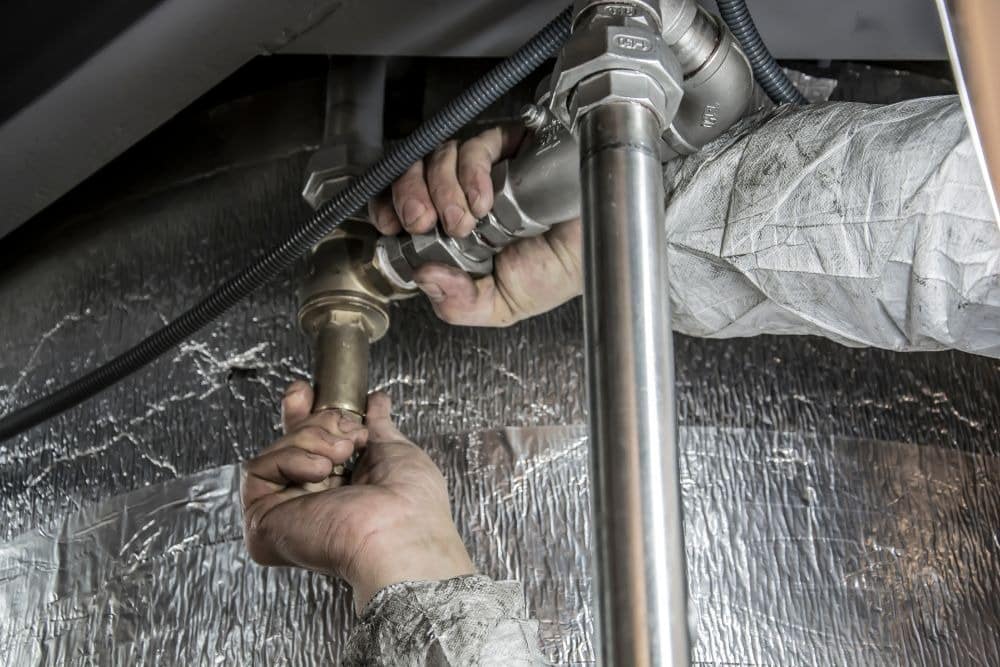
Kitchen plumbing can suffer a variety of issues that call for immediate repair. The most common ones include:
- Leaks and dripping. This can cause significant water loss or inefficient drainage. Homeowners can patch this at home with epoxy or use the pipe-replacement method detailed above.
- Clogs. This is a common issue in many older homes in Federal Way. Garbage can accumulate in the pipes over time, and you will need to call a plumber to fix this.
- Low water pressure. Low water pressure is just a symptom of a bigger problem in your plumbing. This is yet another issue where you will need to get a plumber involved.
- Noise. Unusual noise in your pipes or faucet is another sign of a plumbing problem. You will need to call a plumber to investigate and address the root cause.
- Backup. Wastewater can flow back to the system for a host of reasons. This is yet another complex issue that requires a plumber to understand and resolve.
How Long Does It Take to Replace Kitchen Pipes?

The length of time it takes to replace kitchen pipes depend entirely on the underlying issue. It can take nothing more than a few hours for common leaks. For more complex issues, the work can take days, especially when demolition or extensive repairs are involved.
Is It Cheaper to Replace Or Repair Pipes?

Whether it is cheaper to replace or repair pipes depend on the scale of the problem. For small leaks in relatively new pipes, a repair is in order. However, for older, partially corroded plumbing, you might find it more cost-efficient to replace the problematic pipes.
In Conclusion
Kitchen plumbing issues are an inevitable challenge to Federal Way homeowners. Understanding when to call a professional and when to tackle the problem yourself is key to minimizing disruption and expense. However, if you need your pipes fixed in accordance with code and established best practices, it pays to get the services of a licensed plumber or a kitchen repair professional.