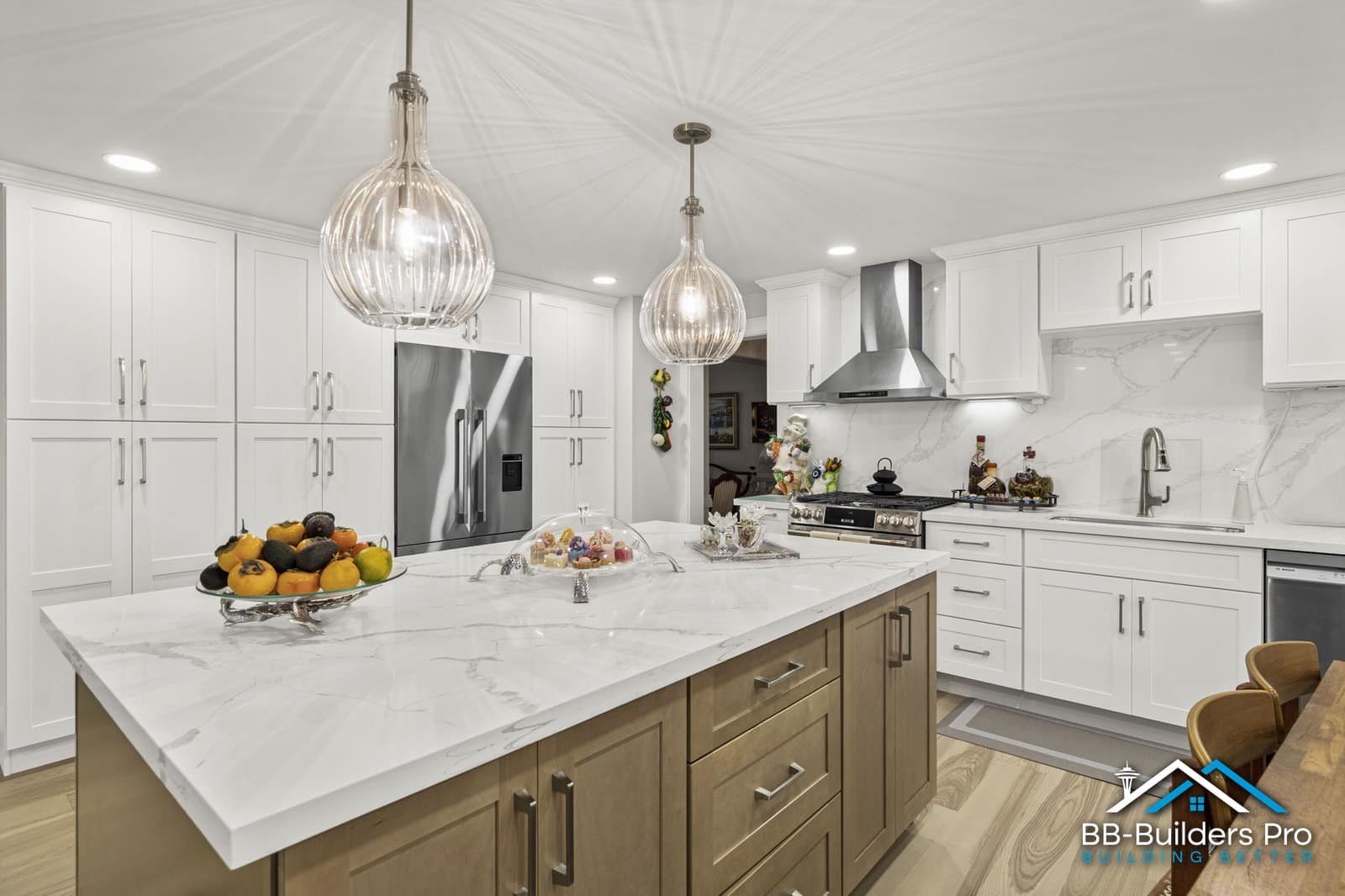
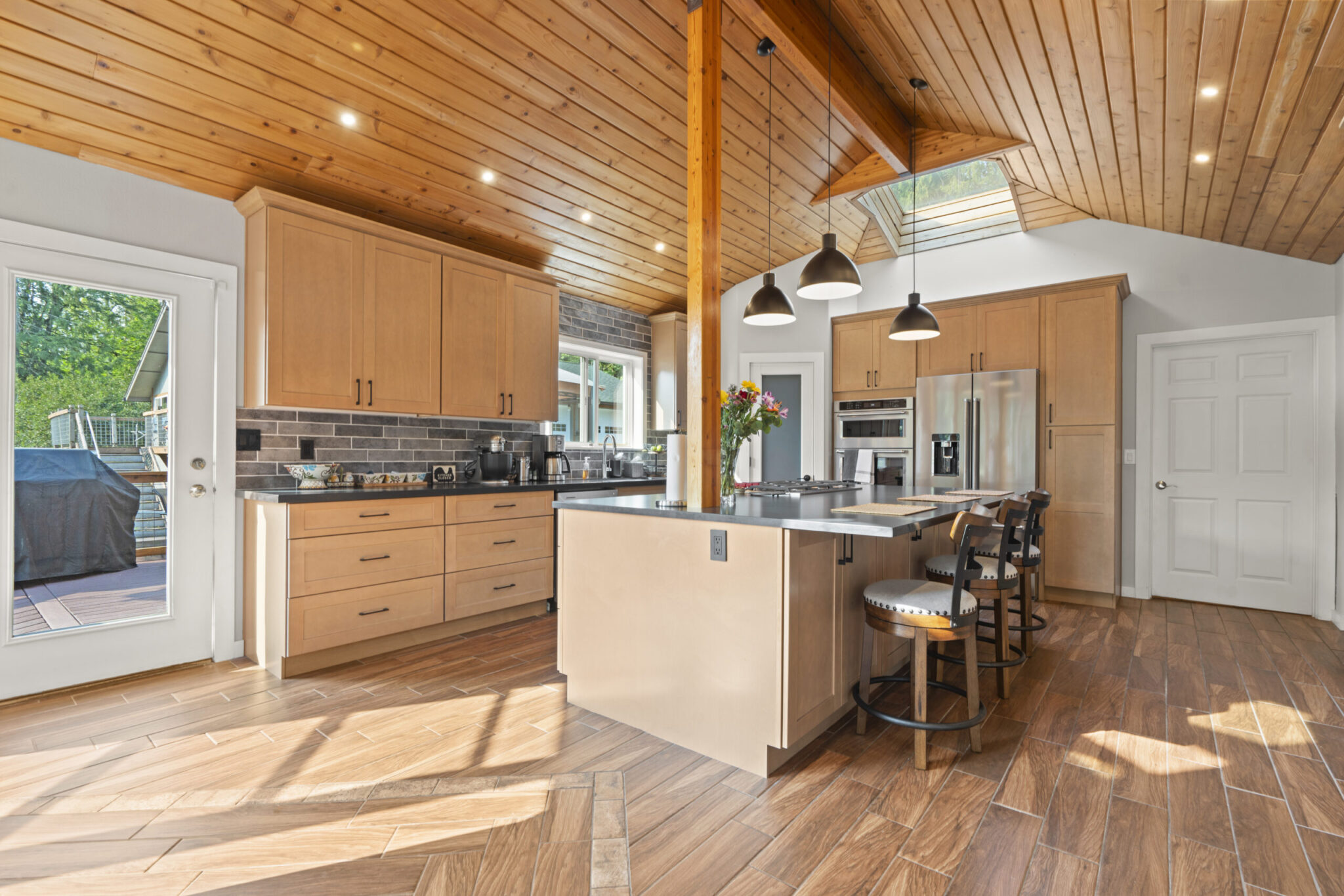
Remodeling a kitchen in Kirkland, WA, requires compliance with local construction codes. Keeping the project within current building standards ensures safety during and after construction. However, compliance with Washington state codes sounds much easier than it actually is.
Fortunately, following the rules does not have to mean going through hoops either. There may be a number of rules to follow, but everything should be straightforward for the well-informed. That said, let’s talk about the kitchen remodel code compliance Kirkland residents should follow.
Pre-Compliance Checklist

Code compliance is a must for all kitchen remodels in Kirkland. However, not all such projects require a permit. That said, before you look into applying for a permit, ask yourself the following:
1. Does my kitchen remodel need a permit?
Remodels involving major structural changes and alterations to utility systems need a permit. If your project does not demand any such changes or is cosmetic in nature, you may not need a permit.
2. If my remodel does not need a permit, what codes still govern my remodel?
Cosmetic kitchen remodels—such as installation of new tiles or fixture replacement—do not need a permit. However, you still need to follow all relevant construction and safety codes. At most, though, you only have to follow local sanitary and fire safety codes.
Key Areas for Kitchen Remodel Code Compliance Kirkland Homeowners Should Keep In Mind
Kirkland has several codes governing the construction and safety of kitchen remodels. Compliance is definitely a must. But, certain circumstances trigger the need for permits and professional help. This happens if your project involves electrical, structural, and plumbing modifications.
Electrical
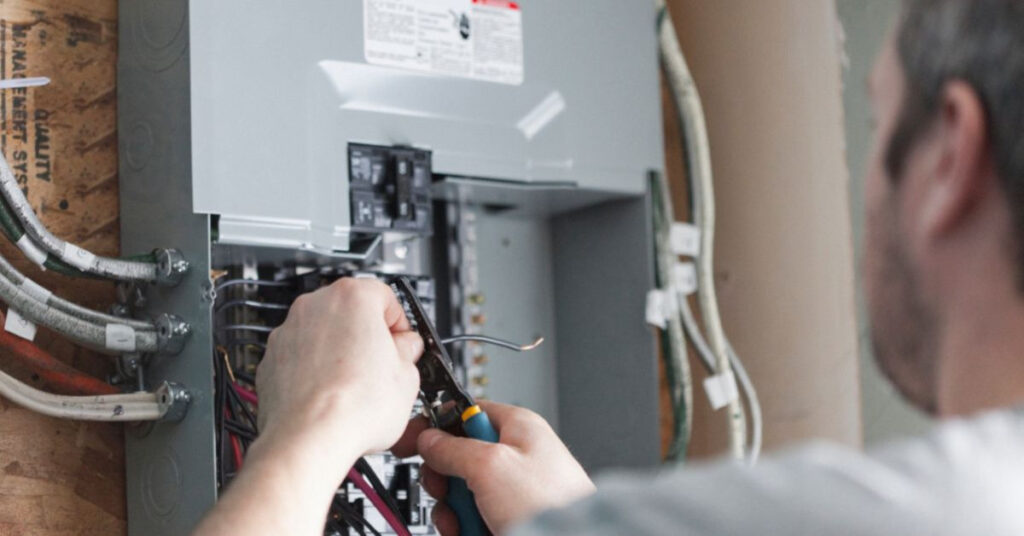
Electrical upgrades fall under the purview of the Washington Cities Electrical Code. The state code is based on the National Electric Code (NEC), as amended by the City of Kirkland. This local version of the code call for the following in kitchen remodels:
- At least two 20-ampere-rated small appliance branch circuits serving receptacles. in the wall, countertop, and dining area.
- Four 15-ampere-rated branch circuits in the absence of two 20-ampere-rated ones.
- Dedicated circuits for large fixed appliances like refrigerators and electric ranges. These circuits should match the appliance’s requirements.
- Ground fault circuit interrupters (GFCI) for kitchen countertop receptacles.
- Adequate lighting under the cooking and dining areas.
- Permits and inspections for kitchen remodels involving electrical work.
Plumbing
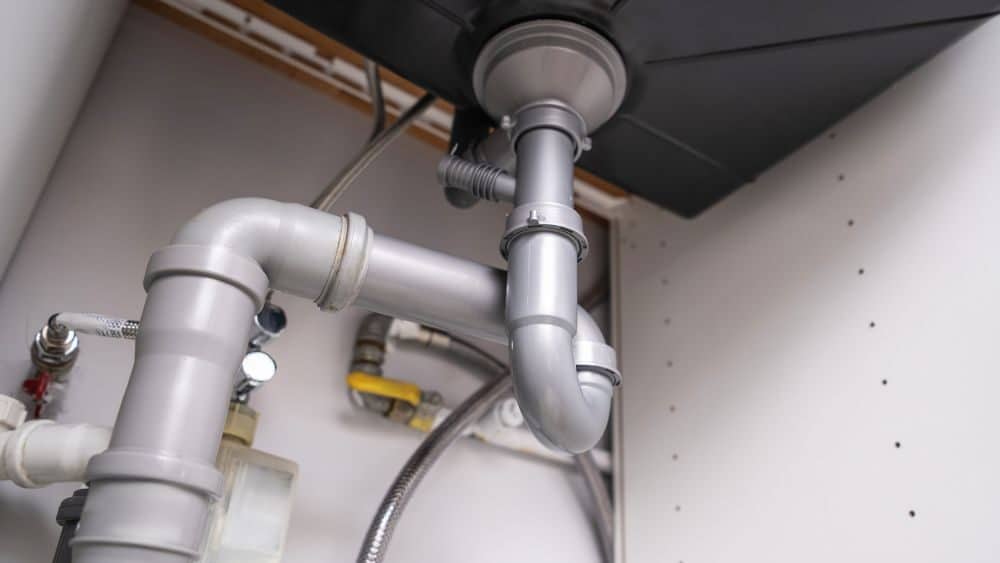
The 2021 Uniform Plumbing Code (UPC) covers plumbing works in your kitchen remodel. The code specifically requires the following:
- Separate P-traps for different sinks and fixtures requiring plumbing.
- One P-trap to serve no more than three single-compartment sinks. For this, the waste outlets should be no more than 30 inches apart.
- A tailpiece length of no more than 24 inches from the sink opening to the trap weir.
- Approved wye or other directional-type branch fitting. This is necessary for continuous waste line for food disposal.
- Faucets with a flow rate of no more than 1.8 gallons per minute at 60 psi. The code also allows a temporary boost of 2.2 gpm.
- Pipes with a size of at least ½ inch and made of approved materials, such as PVC and copper.
Structural
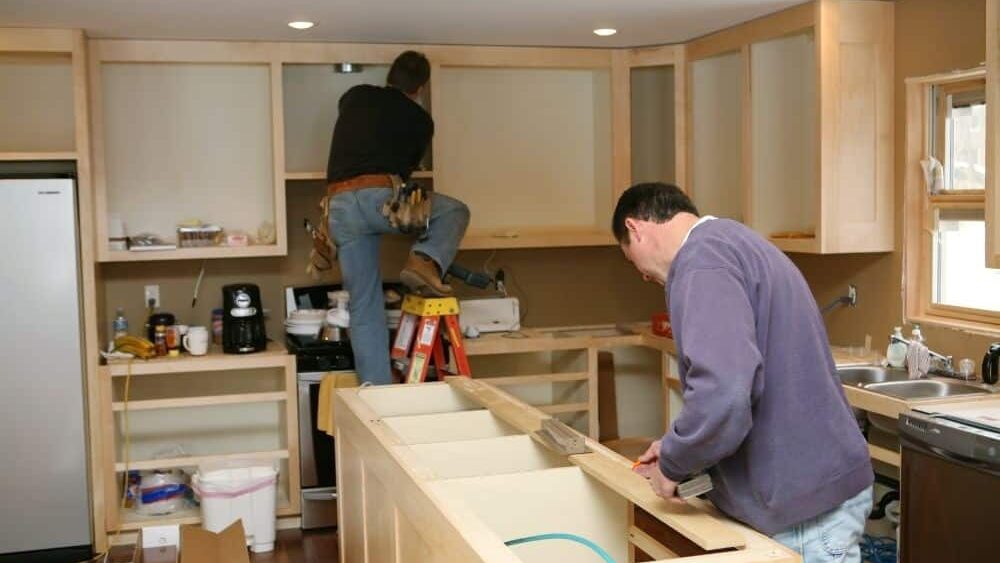
Some kitchen remodel projects need structural modifications. These must follow the 2021 Washington State Building Code (WSBC) and 2021 Washington State Residential Code (WSRC). Here’s a quick summary of the standards outlined in these codes:
- You’ll need to bring in a structural engineer or architect. This is especially true for extensive modifications, like those requiring significant structural changes. Additionally, the law requires these professionals need to have a Washington state license.
- All remodels should follow WSRC’s prescribed wood frame construction standards. This is true even in simpler projects that don’t change the home’s structure and layout.
- If you need to change the floors, you’ll have to follow WSRC’s live load requirements. The code also has a table of recommended spans that you can use as a guide.
- You need to get a permit for kitchen remodels that introduce structural changes to your home. This requires plans stamped by a Washington state-licensed structural engineer or architect.
Sanitation

The Kirkland Property Maintenance Code has sanitary provisions for kitchen remodels. It boils down to two main requirements:
- Prevent the accumulation of solid waste, particularly food waste and other kitchen garbage. Working with a waste disposal service is mandatory in this case.
- Adhere to established hygiene and sanitary standards during and after construction. This means ensuring that the kitchen remodel fit for human living. It should be clean, well-maintained, and free of pests and pathogens.
The property maintenance code also repeats the same provisions as in the UPC. This overlap reflects the close ties between plumbing and sanitation. It also makes the observance of this code relevant to the permitting process.
Fire Safety
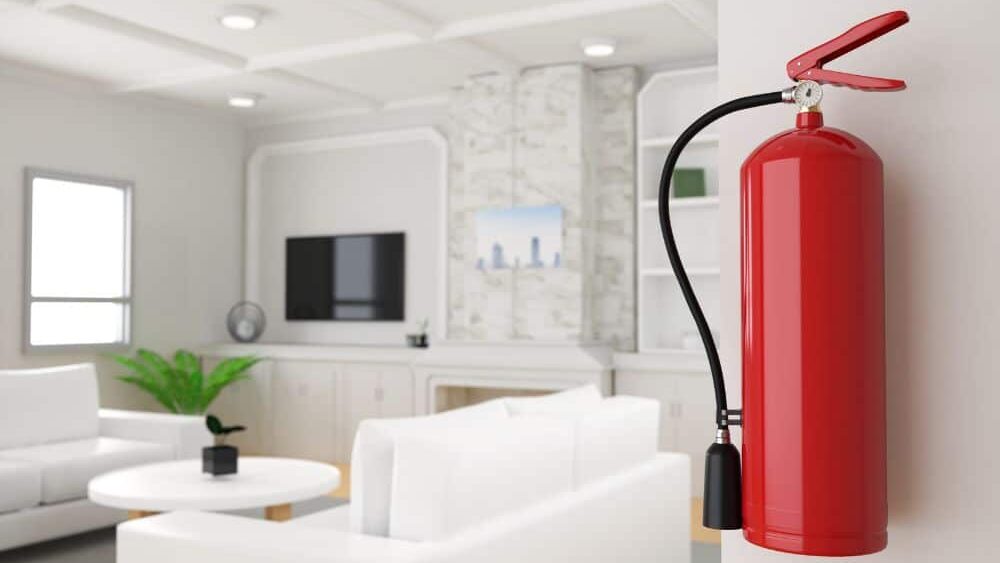
Fire safety is paramount, especially in kitchens where fire hazards abound. As such, you will have to follow the 2021 Washington State Fire Code, which requires the following:
- Keep existing smoke and carbon monoxide alarms in place. They should stay where they are during and after the kitchen remodel.
- Move smoke alarms outside sleeping areas, if the remodel changes the home’s layout.
- Some jurisdictions make it a must for you to install a sprinkler above the cooking area.
Kirkland’s Construction Noise Ordinance

The City of Kirkland has specific requirements for noise during construction. Noise is inevitable during extensive kitchen renovations. The ordinance prohibits construction activity before 7:00 AM and after 8:00 PM on Monday through Friday. On Saturday, work on your kitchen remodel should start no earlier than 9:00 AM and end by 6:00 PM. Construction is also not allowed on Sundays and during the following holidays:
- New Year’s Day
- Memorial Day
- Independence Day
- Labor Day
- Thanksgiving Day
- Christmas Day
Violating the ordinance is a civil infraction constituting public disturbance. Noisy, after-hours construction is deemed to be an interference with public peace, comfort, and safety in the neighbourhood. Violators must pay a fine.
In Summary
Compliance with Kirkland’s building codes is necessary for any kitchen remode to ensure the safety of everyone involved. It can get complicated, but this is where a professional kitchen remodel company comes into play. They can work within current building and safety standards, ensuring a smooth workflow that ends in a kitchen of your dreams.