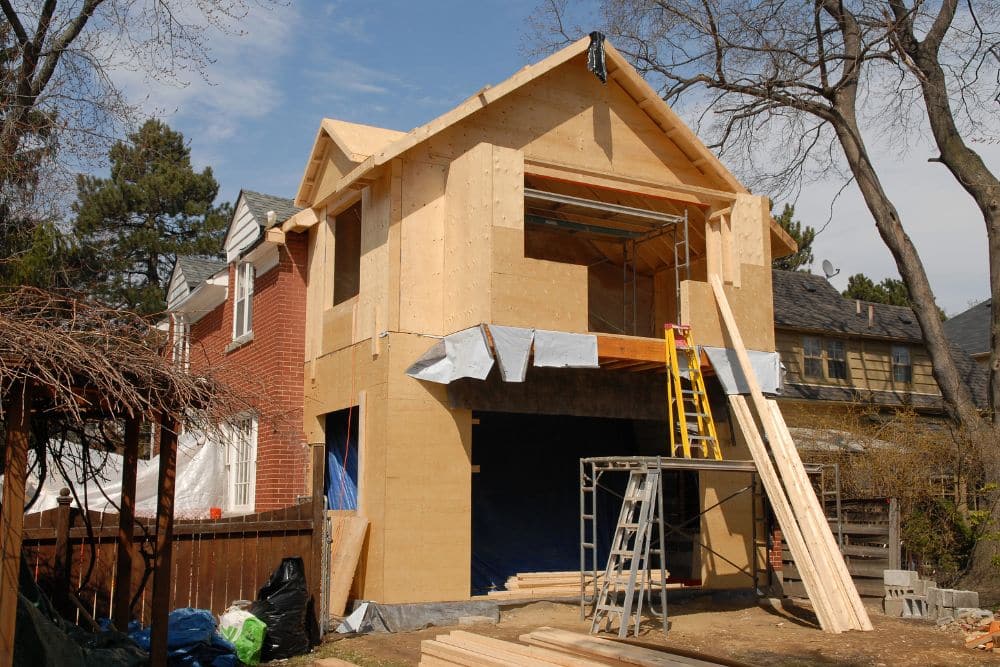
Extending your home can increase your property’s value, but at what cost? The smallest addition could set you back by at least $60,000. But there are more factors involved beyond the size. The complexity of the work, in particular, can multiply your expenses by an integer.
In this home addition costs Seattle 2026 guide, we’ll look at how much you’ll spend on your remodel. We will take into account the work and other factors involved in the final estimate.
Seattle Home Addition Costs In 2026: A Breakdown
Home addition costs in Seattle come down to logistics and bureaucratic requirements. None of these is cheap, especially given the expensive rates of the local labor market. That said, here’s how much you’ll be spending on home additions this year:
Small Addition
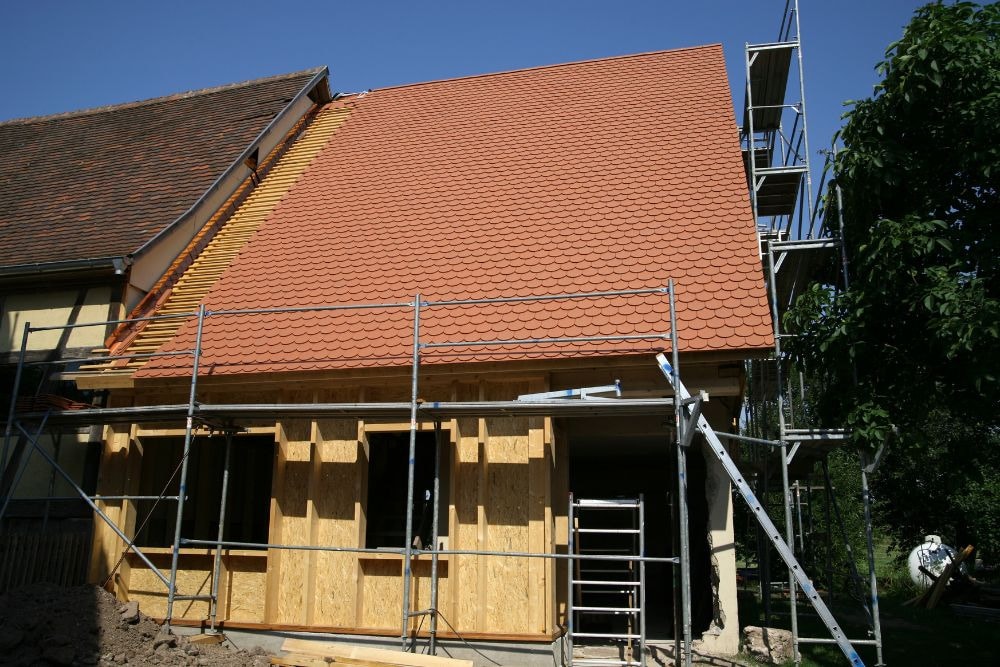
Small home additions or bump-outs have an area smaller than 200 square feet. They are usually small extensions designed for a specific purpose. This can be as mundane as adding extra leg room, or as complex as converting a small room into a home office.
Average cost: Between $60,000 and $100,000.
What it covers:
- Structural support: New foundations and piers that support and level the extension.
- Framing and roofing: New studs, headers, and rooflines that integrate with the existing structure.
- Drywall and insulation: Weatherproofing and interior wall finish to ensure occupant comfort.
- Exterior finishing: New siding, trim, and roofing material that matches the style of the rest of the house.
- Utilities: New wiring for lighting and outlets, as well as ductwork for ventilation and heating.
- Permits and inspections: The Seattle Department of Construction & Inspections (SDCI) requires permits and inspections for any additions that add square footage to a house.
Mid-Size Addition
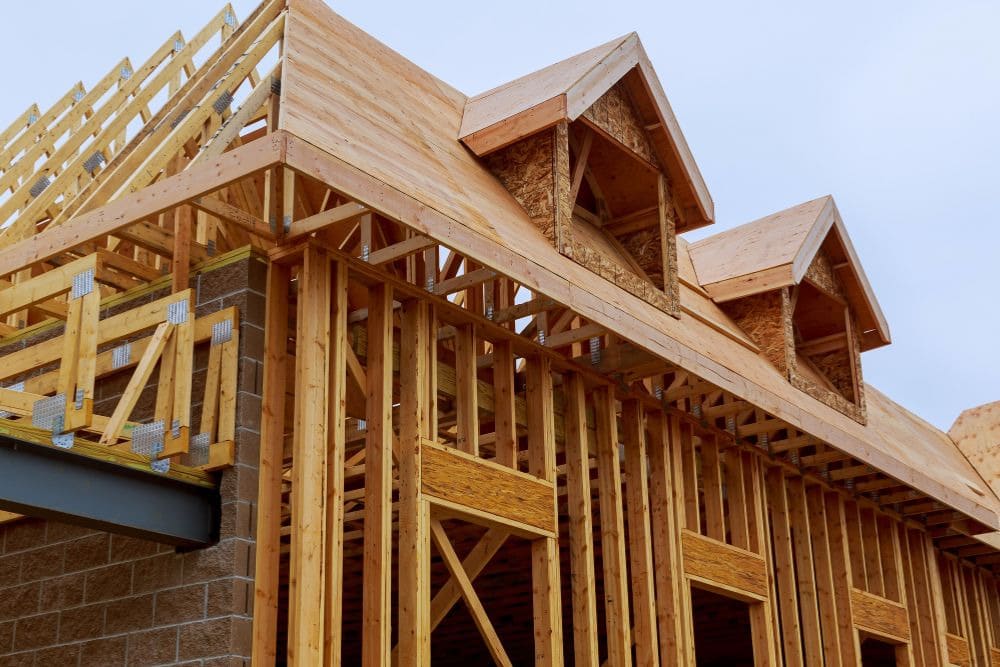
Any home additions over 200 square feet but no more than 500 square feet count as mid-size additions. These additions extend the space and function of the house, but aren’t self-sufficient. The most common examples include new bedrooms with a bathroom and family rooms.
Average cost: Between $85,000 and $200,000, or higher for high-end mid-size additions.
What it covers:
- Comprehensive foundation work: Expanded foundation slab or crawlspace to support the new structure.
- Structural integration: Framing that ties into the existing roofline and a seamless transition to the new structure.
- Full interior finishes: Includes flooring, ceiling, and built-in cabinetry.
- Utilities: Dedicated HVAC systems, new circuitry with a dedicated subpanel, and new plumbing lines for wet areas, such as sinks and bathrooms.
- Drywall and insulation: Weatherproofing and interior wall finish to ensure occupant comfort.
- Exterior finishing: New siding, trim, and roofing material that matches the style of the rest of the house.
- Permits and inspections: SDCI may require multiple inspections during the permitting process for mid-size additions.
Large Addition
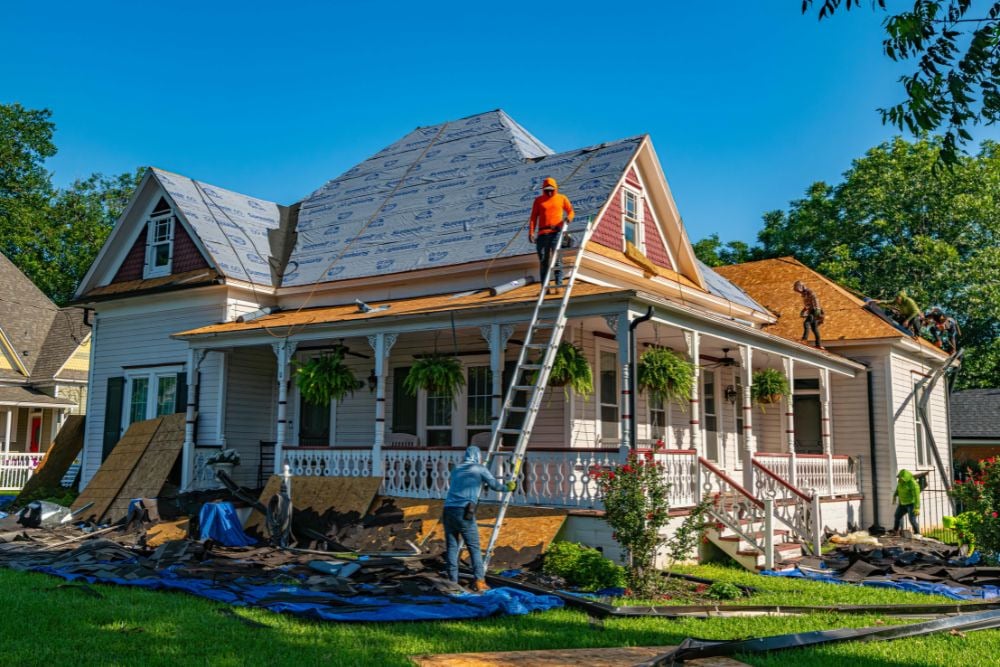
Large home additions go beyond expanding an existing space or building new rooms. These projects cover at least 500 square feet and are often used as halls or great rooms. The space is often used for purposes such as entertainment, dining, and fitness.
Average cost: Between $150,000 and $350,000, or higher for high-end large additions.
What it covers:
- Site preparation: Extensive excavation and grading to support the extension’s large footprint.
- Structural engineering: Specialized framing with steel beam installations to support great room designs.
- Utilities: New plumbing lines, secondary HVAC zone with a dedicated thermostat, and a full electrical panel for the addition’s circuitry
- Exterior integration: Large-scale roofing and siding design matching the existing home’s aesthetics.
- Custom interiors: Bespoke interior finishes, such as vaulted ceilings and premium hardwood flooring.
- Landscape restoration: Post-construction repair of the affected surrounding greenery and landscaping.
- Permits and inspections. SDCI may require multiple permits and inspections, especially for structures built on environmentally critical areas (ECAs), such as steep slopes.
Attached Accessory Dwelling Unit (ADU)
Attached ADUs are basically small houses built into the main structure. Sizes vary, and ADUs are essentially self-sufficient residential units. They are often used as multi-generational housing, in-law residences, or rented out.
Average cost: Between $150,000 and $550,000, or higher for high-end ADUs.
What it covers:
- Utilities: Separate plumbing lines, dedicated electrical subpanel and circuitry, and independent HVAC systems with advanced climate control. It may also include metering for water and electricity.
- Home essentials: A full kitchen or kitchenette, a bathroom, a bed space, and a living area.
- Fire safety: Fire-rated drywall separating the ADU from the main house.
- Private access: Dedicated entryway not connected to the main house. This usually comes with a porch, walkway, and lighting.
- Soundproofing: Specialized acoustic treatments in walls shared by the ADU and the main house.
- Permits and inspections: There are legal fees on top of standard permitting expenses. An ADU is considered a second dwelling subject to zoning laws.
Second-Story Addition
Not all residential spaces have the capacity to expand outward or inward. Some sit on a limited plot of land and can only build second-story additions to extend their space. Second stories are versatile additions, although they require significant structural modifications.
Average cost: Between $200,000 and $400,000, or higher for high-end second-story additions.
What it covers:
- Structural reinforcement: Strengthening the foundations and joists to support the second story’s load.
- Structural engineering: Structural reinforcement against strong winds and earthquakes required for multi-story homes.
- Roof removal and replacement: Removing roofing where the addition will sit and installing a new roof over the new floor.
- Staircase: Access from the ground to the second-story addition.
- Utilities: Upward extension of the home’s electrical, plumbing, and HVAC systems, often including a dedicated subpanel.
- Exterior matching: External finishes designed to match or work with the existing home exteriors.
- Interior finishing: Insulation, flooring, ceiling, and drywall for basic structures.
- Permits and inspections: SDCI requires permits and inspections for second-story additions, as they significantly modify the existing structure.
Factors Affecting Home Addition Costs in Seattle
The price of any home addition in Seattle is a product of the following factors:
- Labor. Seattle has a very competitive labor market, given the high demand for professional and skilled workers. Labor can take up as much as 60% of your home addition budget.
- Location. Some dense Seattle neighborhoods, such as Capitol Hill and Queen Anne, may have limited street parking. This makes material delivery and staging of heavy equipment difficult and more expensive.
- Structure. The complexity of your home, as well as that of your home addition, is a primary cost driver. This determines the material, labor, and permitting costs.
- Materials. Quality and quantity determine the cost of materials to be used in the project. It may fluctuate with supply chain stability.
- Permits and regulations. SDCI requires permits for additions that expand the house’s footprint or change its occupancy. This will cost you money in admin and inspection fees. Meanwhile, complying with zoning regulations may require separate payments.
Building a Seattle Home Addition Without Straining Your Budget
As you may have learned in this home addition costs Seattle 2026 guide, additions are more expensive and more complex than remodels. Our home addition experts at BB-Builders Pro know how to navigate the complexities of such projects. We ensure they stay on track and within budget, whether you are looking to build a bump-out or a full-scale ADU.
Ready to expand your space? Call us and get your free quote!
FAQs
How much should a 20’x20’ addition cost?
Based on the above estimates, a 20’x20’ mid-size addition will cost $110,000. This considers the structural work, utilities, finishes, and permitting requirements.
What is the most expensive part of a home addition?
The framing and structural work are the most expensive part of a home addition. This accounts for the largest portion of the material and labor costs.
Does a home addition increase property taxes?
Yes, home additions increase property taxes in Seattle. The King County Assessor determines the final value of your home post-addition. Their assessment determines your updated property tax.
Is it cheaper to add an addition or build a new house?
A home addition is usually cheaper than building a new home. The former’s construction uses the existing land and structure.